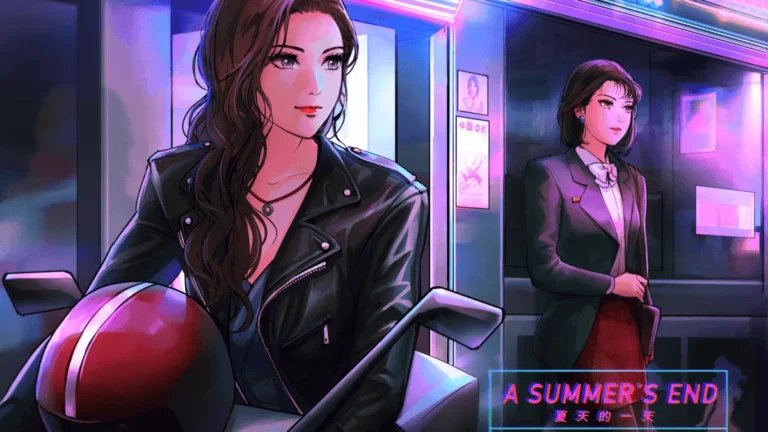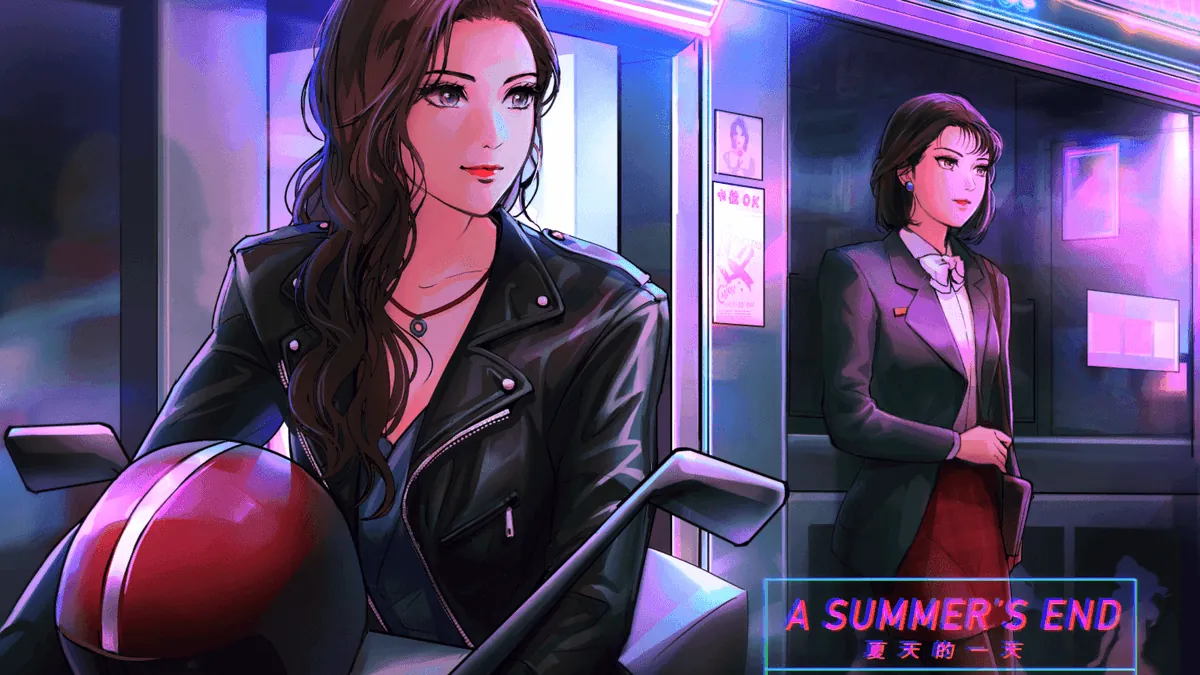
A Summer’s End – Hong Kong, 1986
Play A Summer’s End – Hong Kong, 1986
A Summer’s End – Hong Kong, 1986 Screenshots






A Summer’s End – Hong Kong, 1986 review
Explore the heartfelt romance and vibrant 1980s visuals in this captivating visual novel
Dive into the nostalgic world of A Summer’s End – Hong Kong, 1986, a visual novel that captures the electric vibe of 1980s Hong Kong through the tender romance between Michelle and Sam. I still remember my first playthrough, rainy nights in Mong Kok pulling me into their story of self-discovery amid family pressures and cultural shifts. This game blends lush hand-drawn art, vaporwave tunes, and branching paths with two endings, plus an optional adult patch for deeper intimacy. Whether you’re chasing the good end or bonus scenes, it’s a personal journey through love in a changing city. Let’s break it down so you can savor every moment.
What Makes A Summer’s End Hong Kong 1986 Unforgettable?
I still remember the first time I booted up A Summer’s End – Hong Kong, 1986. 🎮 It was a rainy afternoon, and within minutes, the pixel art of a bustling night market and the soft synthwave soundtrack didn’t just show me a game—it transported me. Suddenly, I wasn’t in my living room; I was in 1980s Hong Kong, feeling the humid air and hearing the distant chatter of a city pulsing with life. That’s the magic of this visual novel Hong Kong 1986. It’s not just a story you read; it’s a world you step into, built with such care and affection that you can’t help but be swept away. So, what exactly makes this game so unforgettable? Let’s dive in. ✨
Who Are Michelle and Sam and Why Do They Resonate?
At its core, A Summer’s End is a love story. But to call it just that feels like an understatement. It’s the story of Michelle and Sam romance, a connection that feels achingly real and wonderfully gentle. You play as Michelle, a young office worker navigating the pressures of her traditional family and a corporate job that leaves her feeling empty. She’s relatable in her uncertainty—we’ve all felt that quiet dread of a path chosen for us.
Then, there’s Sam. 💖 A free-spirited artist and the daughter of a local restaurant owner, she is Michelle’s polar opposite: confident, openly queer, and living life on her own terms. Their meeting isn’t fireworks and dramatics; it’s a slow, magnetic pull. The game masterfully builds their chemistry through shared lunches, hesitant conversations, and stolen glances in the rain. This isn’t a queer story Hong Kong built on “tragedy porn” or shock value. It’s a genuine, heartfelt portrait of two women finding solace and understanding in each other, against the backdrop of a conservative society. Their relationship is the warm, beating heart of the entire experience.
How Does the 1986 Hong Kong Setting Bring the Story Alive?
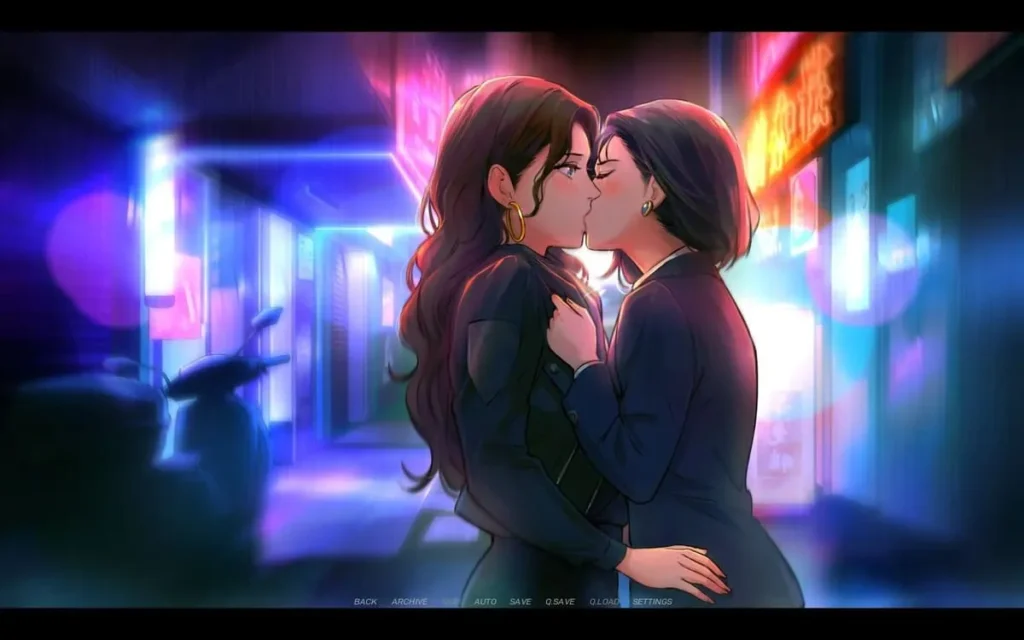
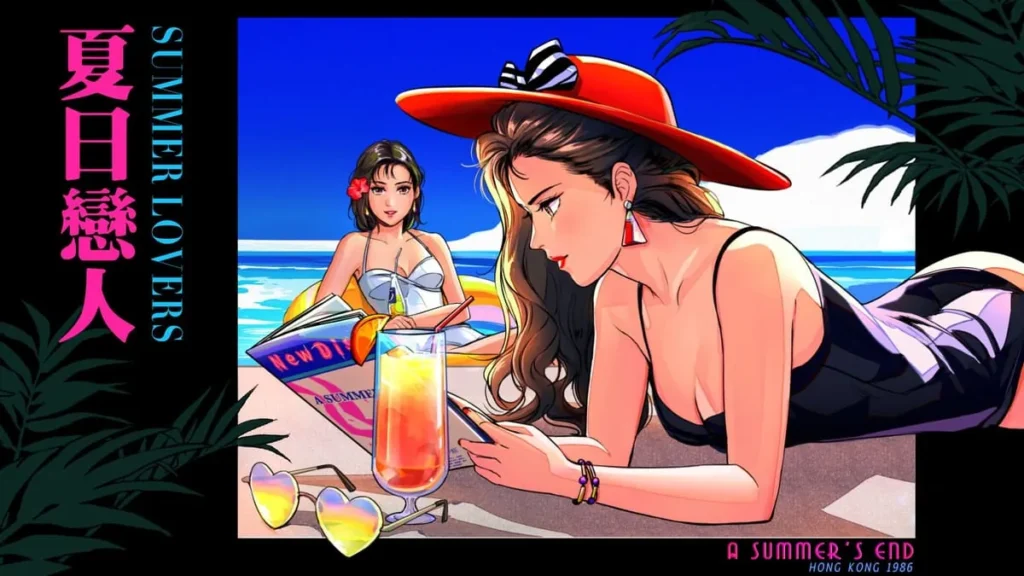
You can’t separate the Michelle and Sam romance from its surroundings. The 1986 Hong Kong settings are a character in themselves. 🏙️ The developers, Oracle & Bone, didn’t just create a generic backdrop; they painstakingly recreated the vibe of a specific time and place. You’ll wander through the neon-drenched streets of Mong Kok, feel the tranquil breeze of the Sai Kung waterfront, and duck into cozy, family-run noodle shops.
The game is filled with what fans call “scenery porn”—moments where the art just lets you linger on a beautifully rendered skyline or a detailed interior, soaking in the atmosphere. This commitment to visual and cultural authenticity does more than just look pretty. It grounds the characters’ struggles. Michelle’s conflict with her family’s expectations feels heavier when you see the cramped, traditional apartment she returns to. Sam’s artistic freedom feels more revolutionary against the city’s rapidly modernizing, yet socially rigid, landscape. Exploring this world is a key part of understanding what is A Summer’s End game—it’s a loving time capsule.
Unlocking the Two Endings: Choices That Matter
A major draw for this visual novel Hong Kong 1986 is its branching path. A Summer’s End – Hong Kong, 1986 famously features a two endings visual novel structure, and your choices genuinely shape the outcome. The game uses a subtle point system: key dialogue options and decisions will either draw Michelle closer to Sam or push them apart.
Pro Tip: Save often at key decision points! The choices aren’t always obvious “good” or “bad” answers. They’re about courage, honesty, and choosing your own path. Replaying to see both endings is highly recommended.
I’ll never forget one pivotal moment in a rain-soaked restaurant. 💧 Sam is being vulnerable, and Michelle has a choice: to open up in return or to deflect with a joke. In my first playthrough, fear won. I chose the joke. The immediate smile on Sam’s face didn’t reach her eyes, and I felt a pang of regret right through the screen. That’s the power here—your choices carry emotional weight.
The two conclusions offer profoundly different experiences for the Michelle and Sam romance:
| Choice Point | Outcome | Emotional Impact | Unlockable Scenes |
|---|---|---|---|
| Consistently choosing openness, courage, and prioritizing Sam. | The Good End (Romantic): Michelle embraces her true self. The story culminates in a beautifully tender, rain-kissed confession that feels earned and joyful. | Uplifting and cathartic. It’s a reward for bravery and feels like a perfect, heartwarming conclusion. | Unlocks bonus romantic scenes, including intimate conversations and the final, iconic kiss scene. |
| Succumbing to fear, duty, or societal pressure in key moments. | The Bad End (Melancholy): Michelle and Sam part ways, their summer connection becoming a bittersweet memory as they walk separate life paths. | Poignant and realistic. It’s a somber reflection on lost opportunities and the cost of conformity. | Reveals additional scenes focusing on family pressure and Michelle’s internal conflict, adding depth to her struggle. |
This two endings visual novel approach reinforces the game’s core themes. It’s about the courage it takes to choose love and authenticity in a world that often discourages it. Whether you get the rain-soaked kiss or the quiet goodbye, the story leaves a lasting impression.
So, what is A Summer’s End game at its best? 🤔 It’s a beautifully crafted journey. It’s a chance to lose yourself in a vibrant snapshot of 1980s Hong Kong. It’s following a queer story Hong Kong that treats its characters with immense respect and warmth. And most of all, it’s experiencing a Michelle and Sam romance that feels real, fragile, and utterly compelling. It’s a title that proves visual novels can be profound, transportive works of art.
FAQ (Your Quick Guide)
- How long is the game? ✨ A single playthrough of A Summer’s End – Hong Kong, 1986 takes about 4-6 hours. To fully explore both main endings and all bonus scenes, plan for 8-10 hours of total playtime.
- Does it need the adult patch? 🎨 No. The game was intentionally created as an all-ages experience. The romantic and intimate moments are portrayed with tasteful suggestion and emotional weight, not explicit content. The story’s power comes from its writing and art, making any patch unnecessary for the complete, intended experience.
- Any best first-play tips? 💾 Go in blind and make choices that feel true to you for the most personal experience. Don’t be afraid to be brave as Michelle! Use multiple save slots, especially before chapter transitions. And finally, take your time—the atmosphere and background art are half the joy.
Reliving A Summer’s End – Hong Kong, 1986 feels like stepping into a vibrant memory, where Michelle and Sam’s story reminds us that love can bloom even in uncertain times. From Mong Kok’s neon glow to those pivotal rainy choices, it’s a masterclass in emotional storytelling with stunning 80s-inspired art and tunes. My tip: grab the adult patch for fuller intimacy, replay for every secret, and let it spark your own reflections on identity and connection. Ready to experience this gem? Download it today, choose your path, and chase that perfect summer’s end—you won’t regret it.