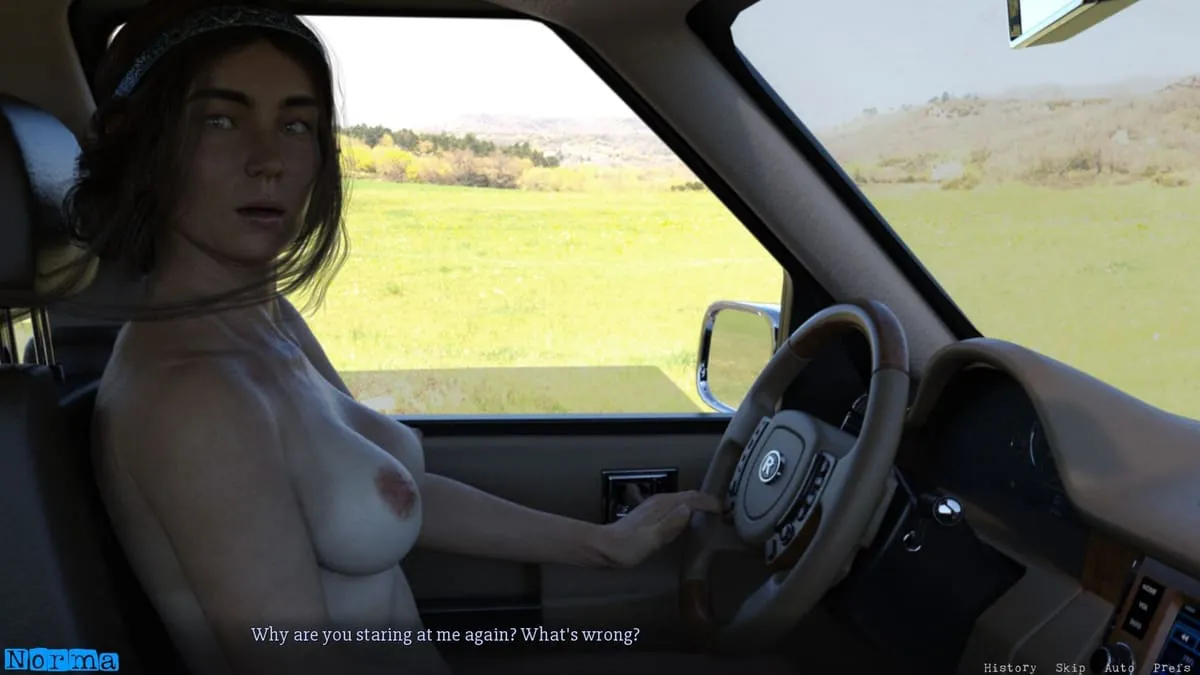
Camp Klondike
Play Camp Klondike
Camp Klondike Screenshots

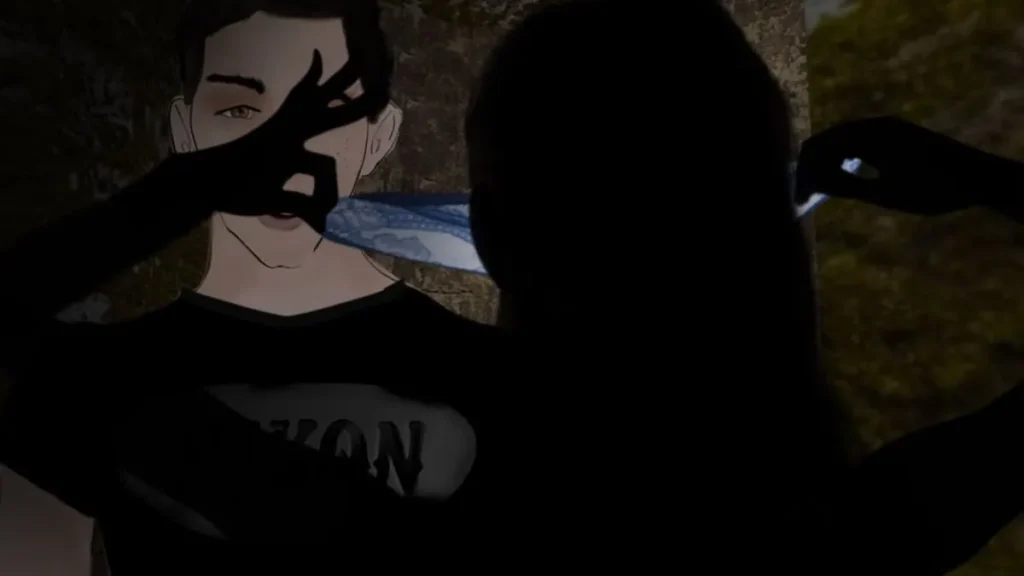



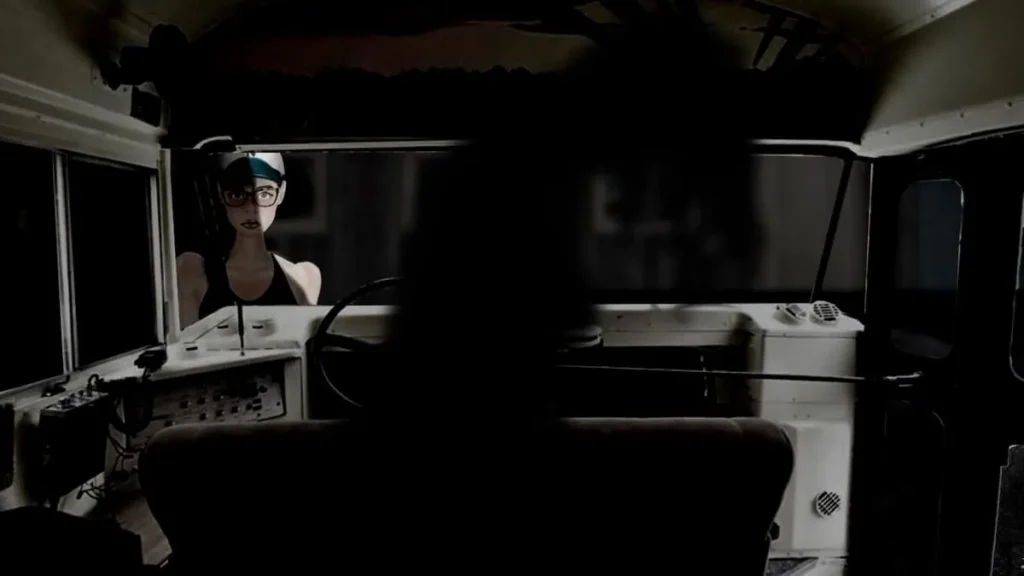



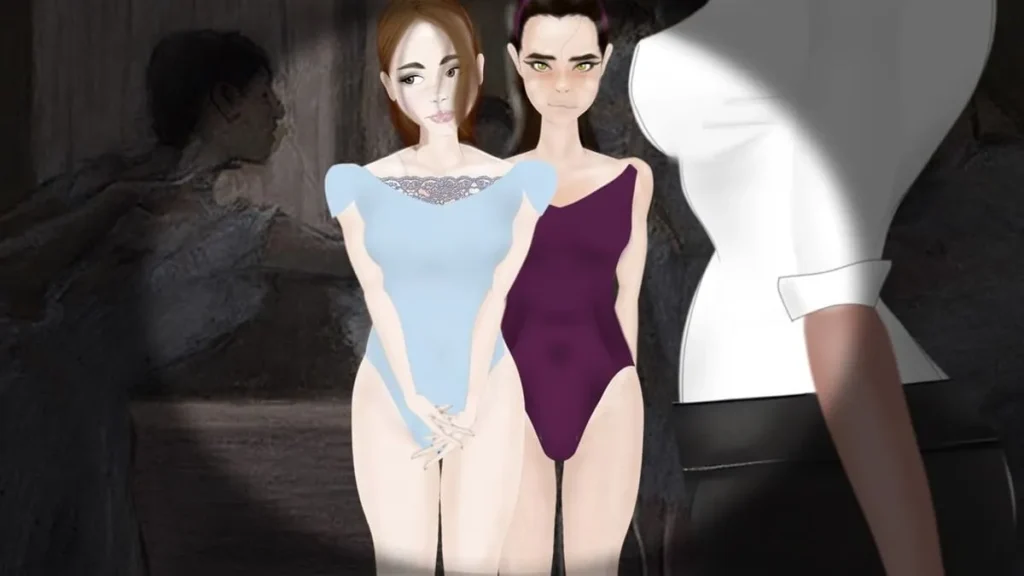


Camp Klondike review
Master character relationships, narrative choices, and sandbox mechanics in this adult-oriented summer camp adventure
Camp Klondike stands out as a narrative-driven visual novel that blends summer camp nostalgia with mature storytelling and meaningful player agency. Developed by swimsoot, this sandbox-style game invites players to navigate seven days of counselor interactions, relationship-building, and strategic choices that directly impact story outcomes. Unlike typical adult games that prioritize explicit content over substance, Camp Klondike delivers layered character arcs, witty dialogue, and emotional depth that resonate with players seeking genuine narrative experiences. Whether you’re interested in understanding the game’s unique mechanics, exploring character dynamics, or discovering how your choices shape the ending, this comprehensive guide covers everything you need to know about maximizing your Camp Klondike experience.
Understanding Camp Klondike’s Gameplay Mechanics and Core Systems
Ever felt like you’re just clicking through a story, watching it unfold on rails with no real say in the matter? 😩 That was my biggest fear jumping into another visual novel. But let me tell you, Camp Klondike shattered that expectation completely. This isn’t a passive experience; it’s a summer camp sandbox where your choices don’t just change a line of dialogue—they reshape the entire landscape of relationships and adventures waiting for you. The core of this magic lies in its brilliant fusion of systems, a Camp Klondike gameplay mechanics suite that turns every playthrough into your own unique story.
At its heart, Camp Klondike understands a fundamental truth: real relationships and memorable summers aren’t scripted. They’re messy, spontaneous, and built on a series of small, meaningful moments. This game captures that feeling by giving you an incredible amount of agency. Forget just picking “Nice” or “Mean” responses. Here, you’re managing your time, choosing which activities to master, deciding who to spend your precious camp days with, and dealing with the delightful (and sometimes heartbreaking) narrative choice consequences that ripple out from every decision. Ready to stop watching a story and start living one? Let’s dive into the systems that make it all possible.
How Sandbox Elements Create Dynamic Storytelling
What separates Camp Klondike from a typical linear story is its foundational visual novel sandbox elements. Think of it less like reading a book and more like being the director, scout, and star of your own summer camp movie. 🎬 Every morning, you’re presented with a schedule of potential activities spread across the camp’s various locations—the lake, the arts & crafts cabin, the forest trails, the main lodge.
You are in complete control. Do you spend the morning at the archery range to boost your Precision skill, knowing a tournament is coming up? Or do you hang out at the docks, hoping to run into the more introspective camper who loves fishing? This freedom is the engine of the game’s dynamism. I learned this the hard way on my first playthrough. I spent so much time trying to be a “perfect” camper, doing every activity, that I ended up spreading myself too thin. My skills were mediocre, and my relationships stayed surface-level because I never dedicated focused time to anyone.
The sandbox elements mean characters live their own lives. They have schedules, preferences, and will be found in different places doing different things. If you want to build a connection with the sporty counselor, you’d better be at the volleyball court or the ropes course. Miss them, and the opportunity for that day is gone. This creates a powerful sense of a living world and makes your time a valuable resource. You can’t see and do everything in one summer, and that’s by design. It forces you to make choices that align with who you want your character to be and which stories you want to explore.
This approach fundamentally changes the narrative choice consequences. A choice isn’t just a dialogue branch; it’s how you invest your most limited resource: time. Choosing to help one camper with their secret project means skipping the campfire sing-along where group bonds are formed. The consequence isn’t a “bad ending”—it’s a different story thread being pulled, leading to unique scenes, confidences, and opportunities you wouldn’t have seen otherwise. It makes every playthrough genuinely distinct, encouraging you to go back and see what happens if you make the lake your second home, or become the arts & crafts legend.
Character Relationship Building and Trust Systems
Now, let’s talk about the soul of the Camp Klondike experience: the character relationship system. This isn’t a simple “like” meter that fills up when you say nice things. Oh no. Camp Klondike operates on a sophisticated dual-axis system of Trust and Desire that feels remarkably human. ❤️🔥
Trust is earned through reliability, empathy, and keeping promises. It’s the foundation of any meaningful connection. You build Trust by choosing supportive dialogue, following through on tasks a character asks of you, and demonstrating that you understand their personality. For example, the bookish camper might trust you more if you remember details about their favorite novel and engage in quieter, one-on-one conversations.
Desire, on the other hand, is sparked by chemistry, flirtation, shared excitement, and sometimes, a little playful competition. This metric grows when you choose daring or charming dialogue, succeed in activities they admire, or share a thrilling moment. The adventurous counselor’s Desire might increase if you beat them in a canoe race or suggest exploring a forbidden part of the woods.
These two metrics unlock different things. High Trust opens up vulnerable conversations, personal backstories, and requests for help. High Desire unlocks flirtier dialogue, more physically intimate moments, and romantic invitations. The real magic happens in the interplay. A scene unlocked with high Trust and moderate Desire will be tender and emotionally intimate. The same scene unlocked with high Desire and moderate Trust might be more passionate but fleeting. The game’s trust and desire mechanics ensure that intimate scenes feel earned and contextual, a natural result of the relationship you’ve built, not just a checkbox to tick.
Your approach is further refined by your chosen Trait. This isn’t a rigid class system, but a personality lens that colors your interactions and unlocks special options.
| Trait | Dialogue Influence & Hidden Bonuses | Best With Character Types |
|---|---|---|
| Charismatic Joker | Unlocks playful, flirty, and group-harmony dialogue. Hidden bonus: Easier time lightening tense situations and gaining quick “Desire” sparks in social settings. | Outgoing, confident, or attention-seeking campers who enjoy a fun rival or partner in crime. |
| Quiet Observer | Unlocks perceptive, insightful, and deeply empathetic dialogue. Hidden bonus: Can notice hidden details about characters and locations, sometimes uncovering secrets or extra narrative paths. | Introspective, shy, or intellectual campers who value depth and sincerity over grand gestures. |
| Rebel Without a Cause | Unlocks bold, defiant, and rule-breaking dialogue. Hidden bonus: Access to “forbidden” areas or shortcuts, and can impress characters who are bored with camp routine. | Adventurous, rebellious, or frustrated campers looking for an escape from the ordinary. |
I opted for “Quiet Observer” in my most memorable playthrough and focused on Alex, the seemingly aloof camper always sketching by the lake. While the “Charismatic Joker” options were often greyed out for me, my trait gave me unique, gentle ways to ask about his art. Over time, this built immense Trust. He eventually shared his portfolio—a moment of vulnerability that wouldn’t have been possible with a different approach. This is the character relationship system at its best: a nuanced simulation of human connection where how you act is just as important as what you say.
Mini-Games and Skill Checks That Impact Narrative Outcomes
Your journey through the Camp Klondike gameplay mechanics isn’t just about talking and scheduling. Your ability to participate in and excel at camp activities is crucial, governed by a clever layer of mini-games and skill checks. These aren’t just pointless arcade distractions; they’re vital tools for relationship-building and narrative progression. 🎣🏹
Each major activity is tied to a skill (like Precision for archery, Strength for rock climbing, or Creativity for arts & crafts). Engaging in these activities improves your skill level, which in turn determines your success in related Camp Klondike skill checks. These checks pop up everywhere: can you fix the broken canoe to access a secret cove? Can you craft a beautiful enough gift to impress a love interest? Can you tell a captivating enough story at the campfire to become the center of attention?
Succeeding or failing these checks opens up entirely different narrative branches. For instance, during a key forest hike, a skill check based on your Exploration level determined whether I noticed a hidden trail. Success led my companion and I to a beautiful, isolated waterfall, triggering a unique and romantic scene that significantly boosted both Trust and Desire. Failure would have meant a nice, but ordinary, hike back to camp. The narrative choice consequences are thus often tied directly to your character’s competencies.
The mini-games themselves are where strategy shines. Here’s a quick mini-games strategy guide reference:
| Mini-Game | Primary Skill | Romantic & Reward Unlocks |
|---|---|---|
| Lake Fishing | Patience | Catching a rare fish can be gifted for a huge Trust boost with nature-loving characters. Successive catches unlock a peaceful, private “fishing date” scene. |
| Canoe Race | Strength & Coordination | Winning against a competitive character massively boosts Desire. Placing well in the camp tournament can award special items that provide mechanical advantages. |
| Campfire Storytelling | Charisma & Creativity | A captivating story can raise your reputation with the whole group. Tailoring your story to a specific character’s interests can trigger a private conversation later. |
| Archery Tournament | Precision | Victory grants camp-wide prestige and makes certain confident characters view you as a worthy rival/partner. The winner’s prize is often a useful item. |
| Arts & Crafts | Creativity | Creating high-quality items allows you to give meaningful gifts (unlocking special dialogue) or decorate your bunk, which can influence certain character’s opinions of you. |
My strategy involved focusing on a few key skills aligned with the characters I wanted to pursue. I poured my effort into Patience and Creativity, which meant I was a fishing and crafting legend but a total klutz on the ropes course. This specialization made my successful moments feel incredibly rewarding and meant the characters who valued my skills naturally gravitated toward me. It also meant I had to get creative (sometimes using in-game items like a “Lucky Charm” that gave a temporary skill boost) to pass crucial checks outside my comfort zone.
This is where the game’s genius in balancing explicit content with genuine storytelling is most apparent. An intimate scene isn’t just granted; it’s often the culmination of choosing the right activities, building the right stats, passing a challenging skill check, and having nurtured the relationship metrics correctly. It feels like a real achievement, a secret shared between you and the character that you actively worked together to unlock.
Mastering Camp Klondike is about embracing its unique ecosystem of choice. Your wardrobe customization isn’t just cosmetic—certain styles appeal to certain characters. Your item management matters. Your daily schedule is your strategy document. By understanding how the visual novel sandbox elements, the deep character relationship system, and the strategic mini-games and skill checks all interconnect, you move from being a passenger to being the author of a truly personal, unforgettable, and deeply engaging summer camp adventure. Now get out there and start exploring—your story is waiting to be written. ✨
Camp Klondike represents a significant evolution in narrative-driven adult gaming, proving that mature content and meaningful storytelling aren’t mutually exclusive. Through its sandbox mechanics, diverse character cast, and branching narrative structure, the game offers players genuine agency in shaping their summer camp experience. The seven-day timeline creates natural pacing that builds emotional investment in character relationships, while the multiple ending system ensures that your choices genuinely matter. Whether you’re drawn to the strategic relationship-building, the witty dialogue and character depth, or the freedom to approach situations in multiple ways, Camp Klondike delivers a comprehensive experience that respects player intelligence and emotional engagement. The game’s success lies in balancing explicit content with authentic character development, creating a narrative experience that lingers long after the credits roll. For players seeking a visual novel that prioritizes story quality and meaningful choices alongside mature themes, Camp Klondike stands as a compelling choice worth exploring.