
City of Broken Dreamers
Play City of Broken Dreamers
City of Broken Dreamers Screenshots











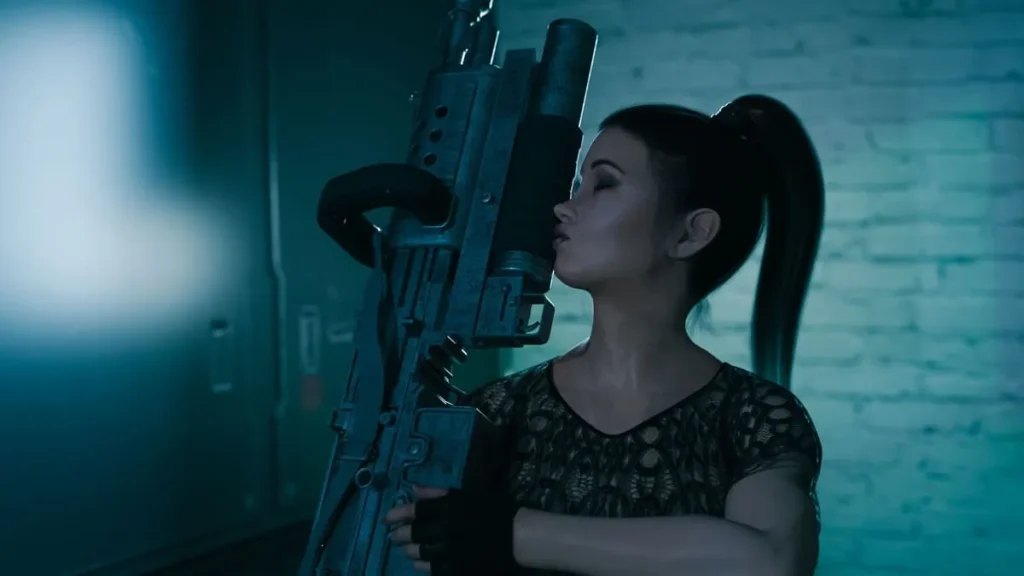





City of Broken Dreamers review
Story, Gameplay Mechanics, and What Makes This Interactive Experience Stand Out
City of Broken Dreamers: Book One has garnered significant attention in the interactive gaming community for its compelling narrative and immersive world-building. You play as Ghost, an elite bounty hunter with a mysterious past, tasked with tracking down a young girl harboring dangerous secrets. What sets this experience apart is its sophisticated approach to character relationships, dynamic dialogue systems, and the integration of emotional storytelling with interactive elements. Whether you’re drawn to the intricate plot twists, the detailed visual design, or the branching narrative paths, this guide explores everything you need to know about what makes this game a standout title in its genre.
Understanding the Core Gameplay and Mechanics
Ever felt like you’re just clicking through a visual novel, waiting for the next pretty picture, only to realize your choices didn’t really matter? 😩 I’ve been there. You invest hours, make what you think are meaningful decisions, and end up on a rail-roaded path that feels identical to everyone else’s. It’s a common pitfall, but let me tell you, City of Broken Dreamers is a glorious exception. This isn’t just a story you watch—it’s a world you actively shape, piece by intricate piece, through its deep and reactive City of Broken Dreamers gameplay mechanics.
What makes this cyberpunk saga so special isn’t just its stunning visuals or gritty story; it’s how every system—from dialogue to stats—interlocks to create a uniquely personal experience. Your relationships are quantified but feel organic, your temper has consequences you can’t see, and every chat is a potential pivot point. Forget passive consumption; here, you’re the architect of your own downfall or triumph. This guide will break down the brilliant machinery under the neon-hood, showing you how to master the character relationship system, leverage the hidden anger stat effects, and truly own your journey through its dialogue choices and branching paths. Let’s dive in. 🕶️
Character Relationship Systems and Stat Tracking
At its heart, City of Broken Dreamers is a game about connections in a disconnected world. But these aren’t just fuzzy feelings—they’re hard data that the game constantly tracks, creating a dynamic web of interpersonal politics. Every major character has a relationship score with you, and often, a separate “Lust” value. Think of the relationship score as sympathy or trust; it determines if a character will open up to you, believe your lies, or even risk their life for you. The Lust value, on the other hand, tracks romantic or physical tension, gating certain intimate scenes and dialogue options.
This dual-track stat system and character interaction is genius. You can be a trusted confidant to someone without any romantic entanglement, or you can stoke a passionate connection with someone who fundamentally doesn’t trust you—leading to wonderfully complex and sometimes disastrous interactions. I learned this the hard way on my first playthrough with Ellen. I focused solely on raising her Lust value, thinking that was the “romance path.” When a critical story moment arrived where I needed her unwavering trust, she hesitated because our actual relationship score was in the gutter. The game had subtly been tracking my shallow approach all along! 😅
The character relationship system is beautifully transparent yet mysterious. The game doesn’t bombard you with constant “+1 with Katie” notifications. Instead, you feel shifts through dialogue tone, character expressions, and the sudden availability—or disappearance—of options. A character who likes you might offer you a crucial piece of information for free. One who distrusts you might demand payment or simply refuse to help, forcing you to find another, more dangerous path.
Here’s a breakdown of how these key stats typically function:
| Character | Relationship Score (Sympathy/Trust) | Lust Value | Primary Impact on Gameplay |
|---|---|---|---|
| Katie | Affects her loyalty, willingness to share intel, and pivotal late-game choices. | Gates intimate scenes and more vulnerable, personal dialogue branches. | Determines if she sees you as a protector/partner or just a client. |
| Ellen | Critical for gaining her strategic cooperation and accessing her tech resources. | Opens paths for a more passionate, volatile connection. | High trust can lead to crucial mission aid; high lust creates a passionate but risky alliance. |
| Chandra | Dictates her professional respect and whether she treats you as an asset or a liability. | Leads to scenes exploring a more personal, behind-the-professional facade connection. | Influences the quality of gear and support she provides, and her price. |
| Abigail | Fundamental to unlocking her backstory and achieving a positive resolution to her arc. | Reflects a deeper, more emotional intimacy tied directly to her personal journey. | Directly tied to one of the game’s most emotionally resonant branching paths. |
Mastering this system is the first step to unlocking scenes and content that many players miss. It’s not about maxing out every bar; it’s about deciding who you want to be in this world and committing to that role in your conversations. Do you want to be a noble mercenary, a cynical pragmatist, or a hedonistic survivor? Your stats will reflect that, and the world will react accordingly.
The Hidden Anger Mechanic and Its Impact on Gameplay
Now, let’s talk about the mechanic that truly sets this game apart: the hidden anger stat. This is the secret sauce in the City of Broken Dreamers gameplay mechanics. Unlike your relationship scores, this stat is completely invisible. The game never tells you it exists, but it meticulously tracks your protagonist’s simmering frustration based on your choices.
Think about it: in most games, you can be a saint in one conversation and a monster in the next with no internal consequence. Not here. Every time you choose a aggressive, sarcastic, or violent dialogue option, your hidden anger increases. Conversely, choosing calm, diplomatic, or compassionate options keeps it in check. This isn’t about being “good” or “bad”—it’s about your character’s mental state.
The hidden anger stat effects are subtle but profound. On a surface level, it can alter minor dialogue lines, adding a sharper edge to your character’s voice. But its real power is revealed in critical, high-pressure story moments. When faced with a sudden crisis or betrayal, the game checks your anger level. A low anger stat might give you a clear-headed, strategic option to defuse the situation. A high anger stat might unlock a brutal, cathartic, but often reckless, reaction that wasn’t available to a calmer version of you.
🧠 Pro Tip: I recommend doing two playthroughs specifically to see this: one where you roleplay as a zen-like professional, and one where you let every insult and setback fuel your rage. The climaxes can feel like entirely different stories.
This mechanic beautifully ties into the emotional storytelling mechanics. It validates the idea that your character is not just a hollow puppet but a person being shaped by trauma. The relentless pressure of Neo Los Angeles wears on you, and how you choose to process that pressure defines you. It makes every dialogue choice feel heavier because you’re not just shaping the story; you’re shaping the protagonist’s soul. Will you succumb to the cynicism of the city, or fight to retain your humanity? The hidden anger stat is the quantifiable measure of that struggle.
How Choices Shape Your Story and Unlock New Content
This is where all the systems converge into pure magic. The dialogue choices and branching paths in City of Broken Dreamers are masterclasses in cause and effect. There is no “illusion of choice” here. A seemingly innocuous decision in Chapter 2 can close off an entire alliance or open a new avenue for investigation by Chapter 10. The game’s flowchart must be a thing of beautiful complexity.
Unlocking scenes and content is directly tied to this web of choices. It’s not just about having a high enough stat. You might need a specific combination: a high relationship score with Katie AND a low hidden anger stat AND to have chosen to help a minor character three chapters earlier. This creates an incredible sense of discovery and replayability. On my second playthrough, I discovered a whole mission involving the Glasses that I had completely missed before, simply because I had been ruder to a fixer in the opening act.
The game’s pacing is impeccable in supporting this. It avoids excessive dialogue dumps, instead using its stunning visual design for environmental storytelling. 👁️ The flickering neon ads, the grime in the alleyways, the wary looks from NPCs in the background—they all tell a story without a word. This allows the actual dialogue to be punchy, meaningful, and always driving either character development or plot. When a scene does unlock, whether it’s a tense action sequence, a quiet moment of reflection, or an intimate encounter, it feels earned. It’s a direct result of your journey.
And let’s talk about those intimate scenes, as they are a key part of the emotional storytelling mechanics. They are never just titillating rewards. They are character scenes first and foremost. The game expertly ties physical intimacy to emotional vulnerability, plot revelation, or character motivation. A scene might be the only time a hardened character lets their guard down and reveals crucial information, or it might be a moment of shared desperation that deepens a tragic bond. They are optional, but they are woven into the narrative fabric, making the world and its people feel more real and complex.
This is how City of Broken Dreamers stands out. It compares to a cinematic experience in its visual and narrative polish, but it leverages its interactive nature to create something films never can: a story that is uniquely, personally yours. You’re not just following Philip Kindred’s story; you’re deciding who Philip Kindred becomes in the face of impossible choices.
To wrap up this look at the core systems, here are the key gameplay features that make this title unforgettable:
- Dual-Track Relationship System: Separate scores for trust and lust create nuanced, believable character dynamics that directly influence plot and dialogue.
- The Hidden Anger Stat: An invisible mechanic that tracks your protagonist’s psyche, unlocking different emotional responses and actions in pivotal moments.
- Truly Branching Narrative: Choices have long-term, sometimes unpredictable consequences, leading to vastly different scenes, missions, and endings.
- Economical, Impactful Storytelling: Uses world-class visual design and environmental details to tell its story, keeping dialogue focused and powerful.
- Integrated Intimate Content: Sensitive scenes are treated as valid narrative beats for character development and plot, not isolated rewards.
Mastering the City of Broken Dreamers gameplay mechanics is the key to unlocking the full depth of this cyberpunk masterpiece. It invites you to live in its world, not just pass through it. So, decide who you want to be, and step into the neon rain. Your story is waiting. 🌃✨
City of Broken Dreamers: Book One stands out as a thoughtfully crafted interactive experience that prioritizes narrative depth alongside engaging gameplay mechanics. The sophisticated relationship system, hidden stat mechanics, and branching dialogue create meaningful player agency that affects how the story unfolds. The protagonist’s journey from hardened bounty hunter to someone confronting his past resonates emotionally, while the mysterious girl at the center of the plot drives compelling narrative tension. The visual presentation demonstrates remarkable attention to detail, from character design to environmental storytelling, creating an immersive world that rivals cinematic experiences. Community reception consistently highlights the exceptional story quality, with players appreciating the balance between interactive elements and narrative substance. Whether you’re drawn to complex character relationships, intricate plot development, or simply a well-crafted interactive story, this game delivers substantial content that justifies player investment. The combination of emotional storytelling, meaningful choices, and technical polish makes it a memorable experience worth exploring.