Ecchi Sensei
Play Ecchi Sensei
Ecchi Sensei Screenshots










Ecchi Sensei review
Everything you need to know about this visual novel adventure experience
Ecchi Sensei is a 3D visual novel adventure game that has gained significant attention in the gaming community. In this guide, you’ll discover everything about Ecchi Sensei’s gameplay mechanics, character roster, decision-making system, and platform availability. Whether you’re new to the game or looking to deepen your understanding, this comprehensive overview covers the essential aspects of Ecchi Sensei, including its unique features, story progression, and interactive elements that make it stand out in the visual novel genre.
Understanding Ecchi Sensei: Game Overview and Core Mechanics
Stepping into the world of Ecchi Sensei 🎮, you’re not just starting a game—you’re accepting a new life. Imagine this: you’ve packed your bags, left the bustling city behind, and arrived in a sleepy, charming town for a fresh start as a teacher. The air feels different here, and so do the possibilities. This is the core premise of this immersive 3D visual novel adventure, where every smile, every conversation, and every choice you make writes your unique story. Forget passive reading; this is about living a narrative.
If you’re new to the genre, you might wonder, “What makes this different?” I remember my first visual novel experience years ago—it was a static, 2D affair with lovely art but limited interaction. Ecchi Sensei feels like the evolution I’d been waiting for. It takes the foundation of classic visual novel game mechanics—branching dialogue and character-driven plots—and supercharges it with a layer of tangible, interactive depth. You’re not just watching a teacher’s story unfold; you are that teacher, shaping relationships and navigating the delicate ecosystem of a small community through a sophisticated decision-based gameplay system. It’s this powerful blend of narrative and agency that defines the Ecchi Sensei gameplay experience.
To give you a quick snapshot of what sets this adventure apart, here’s a breakdown of its core components:
| Core Aspect | Ecchi Sensei Features | Impact on Gameplay |
|---|---|---|
| Interactive Foundation | 3D Visual Novel Format, 60+ Decision Points | Creates a dynamic, branching story where your choices have real weight and consequence. |
| Character Depth | 35+ Characters, Unique Personalities & Arcs | Ensures every interaction is meaningful and encourages building genuine connections. |
| Progression Systems | Health Bar, Multi-Day/Week Timeline, Name Customization | Tracks your journey’s success and well-being, offering a structured yet flexible adventure. |
| Replayability | Branching Narrative, Choice-Driven Endings | Guarantees no two playthroughs are the same, massively extending the game’s value. |
What is Ecchi Sensei and How Does It Work? 🧑🏫
At its heart, Ecchi Sensei is an interactive storytelling game that places you in the polished shoes of a newcomer to a tight-knit town. Your primary role is a teacher, but your job description quickly expands to include confidant, mentor, friend, and pivotal member of the community. The “work” here isn’t about grinding for experience points; it’s about emotional labor and social navigation. The game operates on a straightforward yet profound cycle: you progress through days and weeks, encountering various Ecchi Sensei characters, engaging in conversations, and making decisions that steer the plot.
The core loop is deceptively simple but deeply engaging. You’ll wake up, plan your day, and interact with the world. The magic lies in the visual novel game mechanics. Scenes play out in rich, 3D environments that make the town feel alive—a significant step up from traditional 2D backdrops. During conversations, you’ll frequently reach decision points. These aren’t just cosmetic “Illusion of Choice” moments. We’re talking about over 60 unique decisions that act as forks in the road, some leading to new character arcs, others closing off paths entirely. I learned this the hard way on my first playthrough when a seemingly casual remark to a student later prevented me from accessing a side story with a local shopkeeper. The game remembers everything.
This structure makes Ecchi Sensei gameplay a profoundly personal experience. A key feature that underscores this is the health bar. This isn’t a measure of physical stamina, but rather your social and professional standing—your “well-being” in the community. Make harmonious choices and build positive relationships, and it stays healthy. Consistently make controversial or damaging decisions, and you’ll see it dip, potentially leading to different narrative outcomes or even a premature end to your teaching stint. It’s a constant, visual reminder of the impact of your role-playing.
Finally, the game invites you to make it truly yours with a namechange feature. You can input your own name, ensuring every piece of dialogue and every story beat feels personally addressed to you. This small touch of customization deepens the immersion, solidifying your presence in this 3D visual novel adventure.
Key Gameplay Features and Interactive Elements 🎯
Diving deeper, the Ecchi Sensei features are what transform a good story into a great game. The developers have built a suite of interactive systems that demand your engagement and reward your attention. Let’s break down the key elements that you’ll be actively managing:
- The Decision-Making Engine: This is the cornerstone. With 60+ unique decision points, the game employs a truly decision-based gameplay model. Choices range from major moral dilemmas (how to handle a sensitive student issue) to everyday social cues (how to respond to a neighbor’s invitation). Each one feeds into a hidden relationship score with various characters and influences the overall narrative direction.
- Character Interaction Matrix: You don’t just “talk” to characters. You build rapport, unravel their personal stories through repeated interactions, and unlock special events based on your affinity with them. The game’s calendar system means you have to manage your time—choosing to spend an afternoon with one person means forfeiting time with another.
- Health & Progress Tracking: The health bar is your lifeline. Positive interactions fill it, while social missteps, ignored responsibilities, or negative outcomes drain it. Managing this bar becomes a strategic part of the Ecchi Sensei gameplay, encouraging you to think about balance and long-term consequences over impulsive choices.
- Customization & Identity: Beyond naming your character, your choices effectively customize your story and reputation. The town and its inhabitants will react to the “teacher” you choose to become—are you the strict disciplinarian, the compassionate friend, or the enigmatic newcomer?
What truly excites me about this interactive storytelling game is how these elements fuse together. You’re not just picking options from a list; you’re conducting a symphony of social interactions. For instance, helping a shy student gain confidence might improve your health bar and open up a new dialogue branch with their grateful parent, which in turn might give you a clue to solving another character’s personal problem. The systems are interconnected, making the world feel cohesive and reactive.
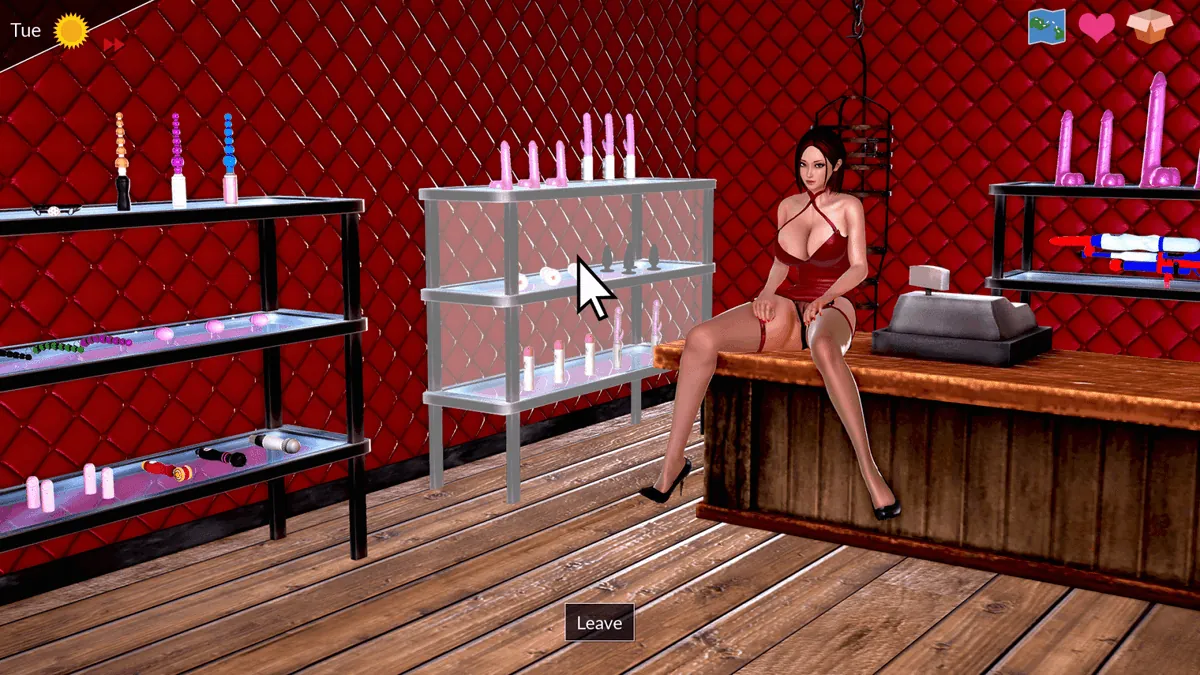
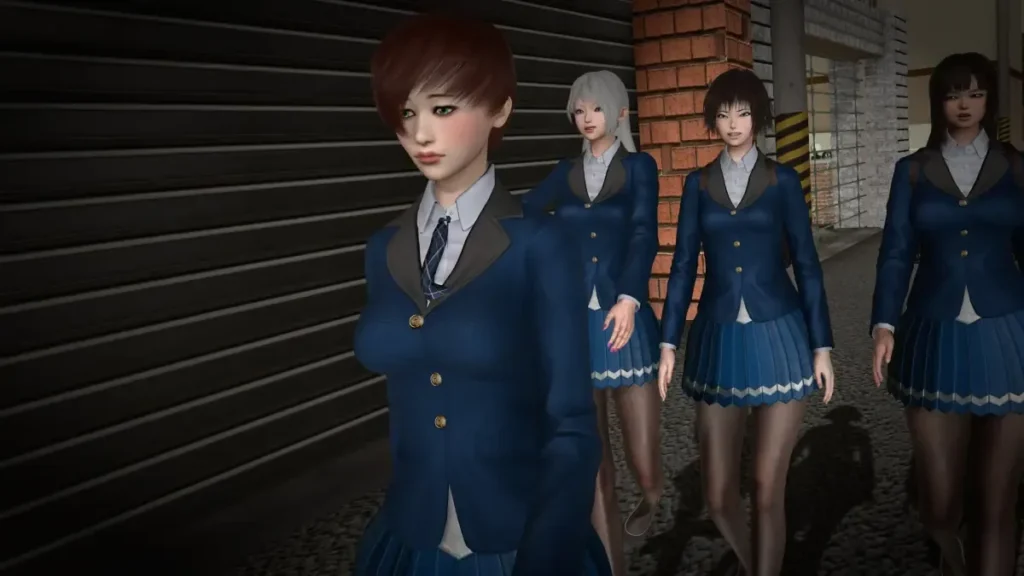
The 3D visual novel adventure format amplifies this further. Characters move in their environments, expressions change subtly, and scenes have a spatial depth that pulls you in. It creates a sense of place that pure text or static 2D art often struggles to achieve. You feel like you’re standing in the classroom, walking down the main street, or sitting in the local café. This environmental storytelling is a silent but powerful feature, providing context and mood for every decision you make.
Character System and Personality Dynamics 👥
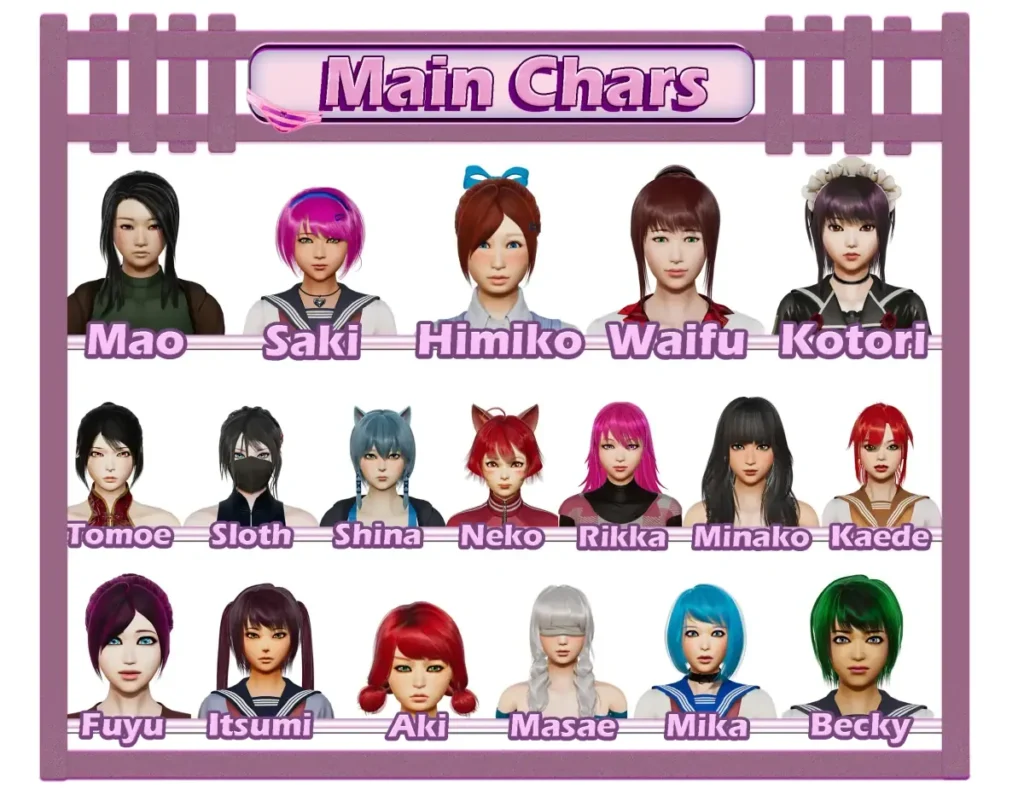
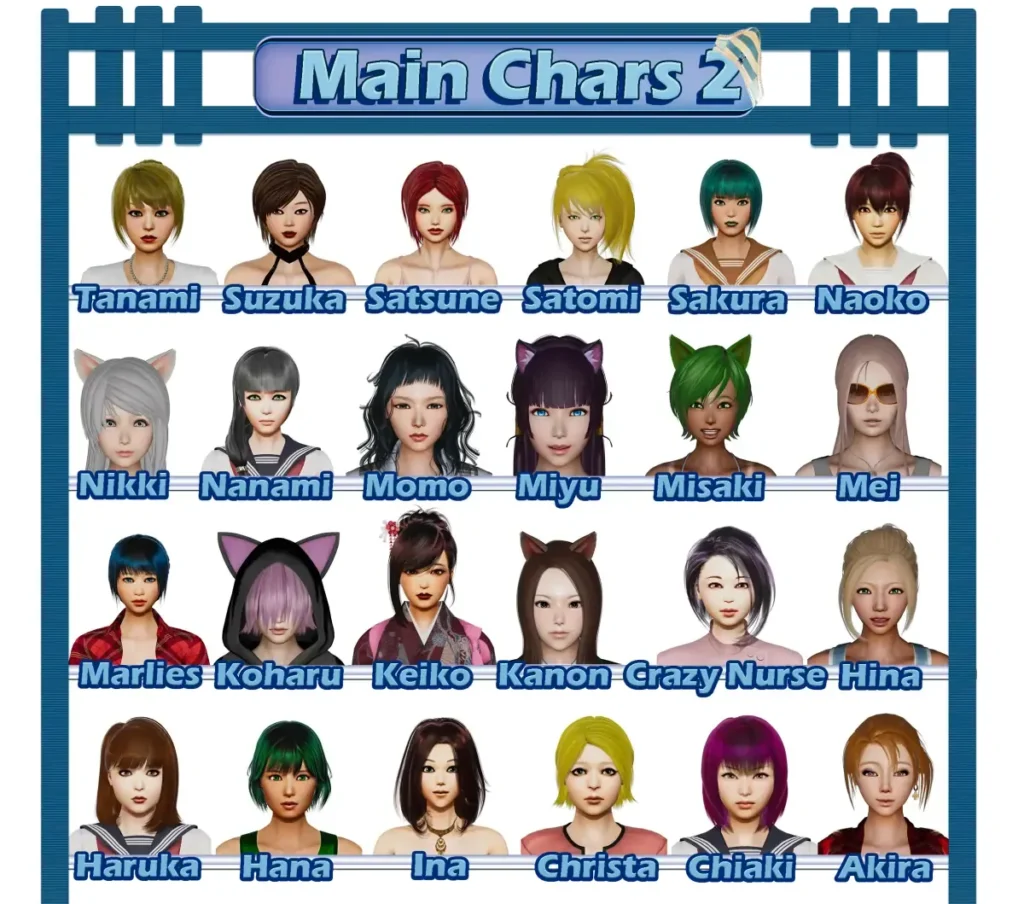
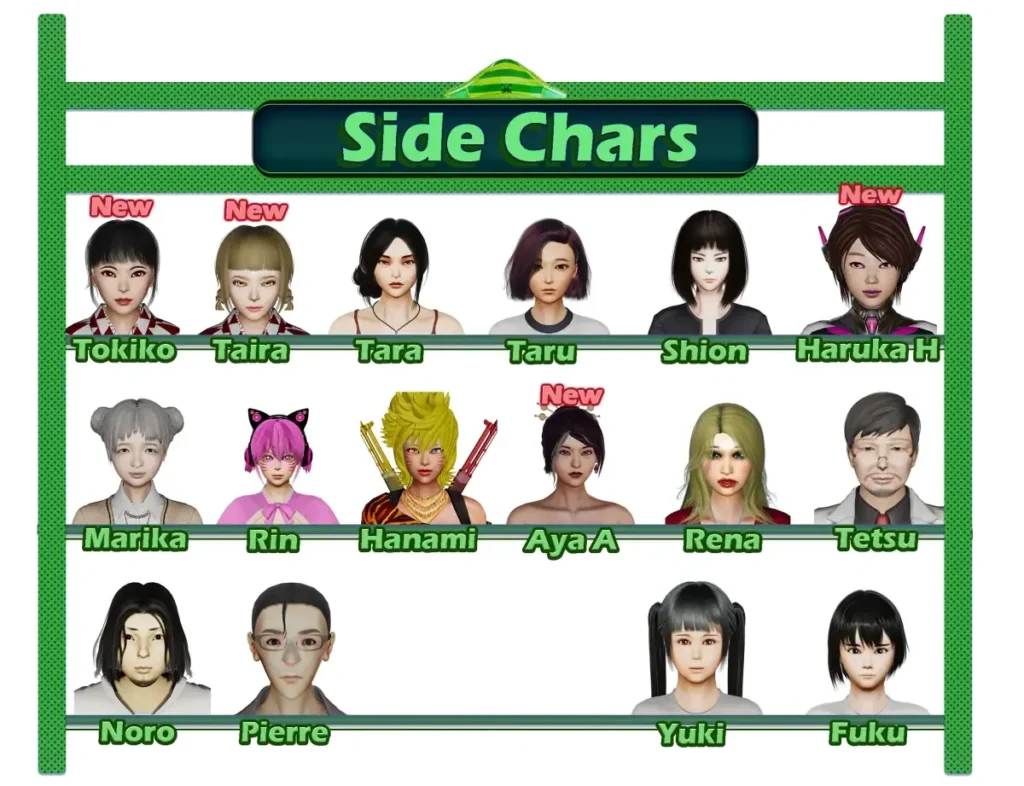
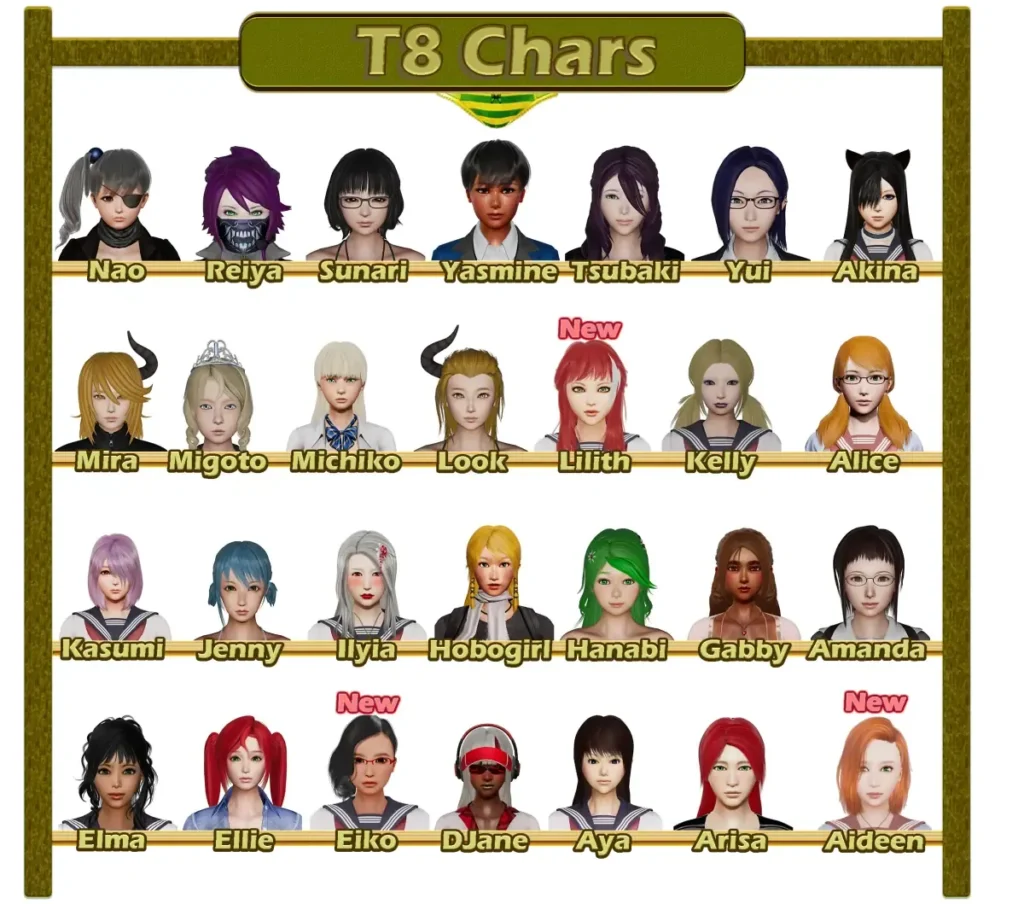
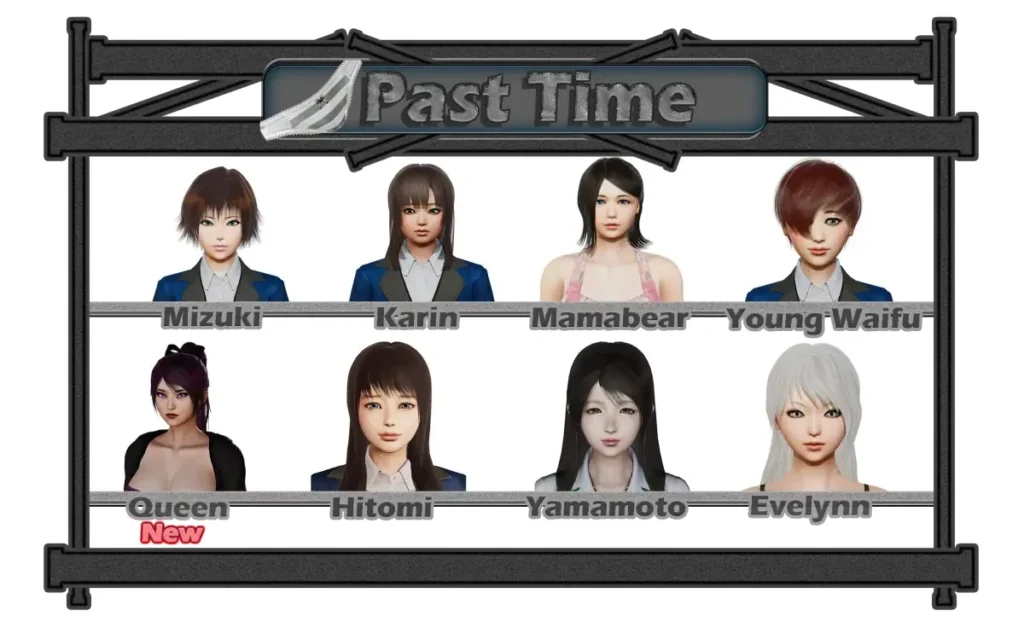
If the decision system is the brain of Ecchi Sensei, then its characters are undoubtedly the heart. ❤️ Boasting a roster of 35+ characters ranging from young children to seasoned adults (ages 9 to 50+), the game presents a microcosm of society. This isn’t a mere collection of sprites; each resident is crafted with unique personality traits, backstories, and developmental arcs that unfold at their own pace.
The Ecchi Sensei characters are the primary vessels for the game’s narrative. You have your students, each with their own anxieties, dreams, and home lives. You have fellow teachers and school staff, who can be allies, rivals, or sources of wisdom. Then there’s the wider town: shopkeepers, parents, retirees, and other figures who complete the community’s ecosystem. What’s brilliant is that no one feels like a mere quest-giver. The grumpy old man at the market has a history that explains his demeanor. The perpetually cheerful florist might be hiding her own struggles. Part of the joy—and the challenge—of the Ecchi Sensei gameplay is peeling back these layers.
Interacting with this diverse cast is the core activity. The game’s decision-based gameplay is directly tied to these interactions. Your choices in dialogue will affect your relationship meter with each character, which gates story progression. Want to see the full arc of the star athlete struggling with parental pressure? You’ll need to build enough trust through supportive choices over multiple encounters. This design makes every conversation meaningful.
Pro Tip from My Playthrough: Don’t try to be everyone’s friend in one go. On my second attempt, I focused on building deep connections with just three key characters. Not only did I unlock intricate storylines I’d missed before, but the game also presented me with unique decision points that only appear when you reach a certain level of intimacy with those characters. It made the story feel more personal and earned.
This vast network of relationships is what fuels the game’s legendary replayability. The branching narrative structure ensures it’s literally impossible to see everything in a single playthrough. You might finish one story seeing the town as a nurturing, supportive place. In another, your choices could lead to a more dramatic, conflict-driven experience. Which students thrive? Which relationships sour? Which secrets are revealed? It all depends on the path you carve as the teacher. This focus on deep, variable character dynamics is what elevates Ecchi Sensei from a simple story to a rich, life-simulating interactive storytelling game.
Ultimately, Ecchi Sensei masterfully combines the narrative depth of a classic novel with the agency of a modern simulation game. Its Ecchi Sensei features—from the weighty decision system to the expansive character roster—are designed not to overwhelm you, but to empower you to tell your own story within its beautifully rendered world. It understands that in life, and in the best 3D visual novel adventure experiences, we are defined not just by the events that happen to us, but by the choices we make and the connections we foster along the way. Your new life in this small town is a blank slate; how you fill it is entirely up to you.
Ecchi Sensei stands out as a comprehensive 3D visual novel experience that combines interactive decision-making with rich character development and branching narratives. The game’s extensive roster of unique characters, flexible gameplay mechanics, and multiple progression paths create a dynamic experience that rewards exploration and experimentation. With over 60 meaningful decisions and the ability to customize your character, Ecchi Sensei offers substantial replay value for players interested in narrative-driven adventures. Whether you’re drawn to the character interactions, the strategic decision-making system, or the immersive storytelling, Ecchi Sensei provides a deep and engaging visual novel experience. Start your journey today and discover how your choices shape the story.