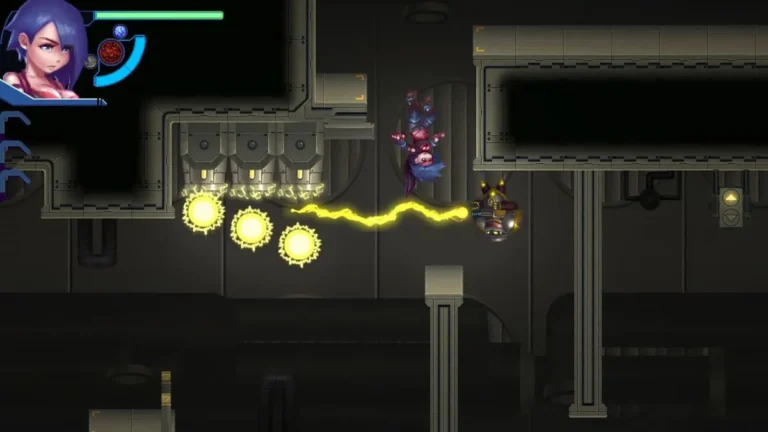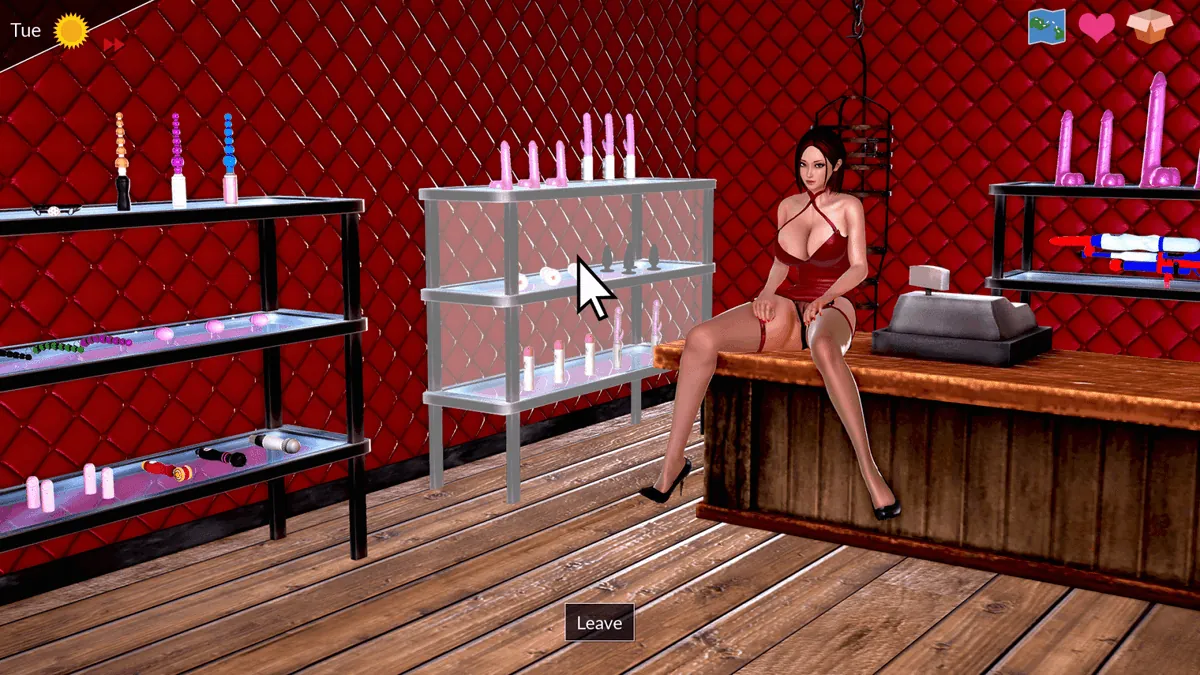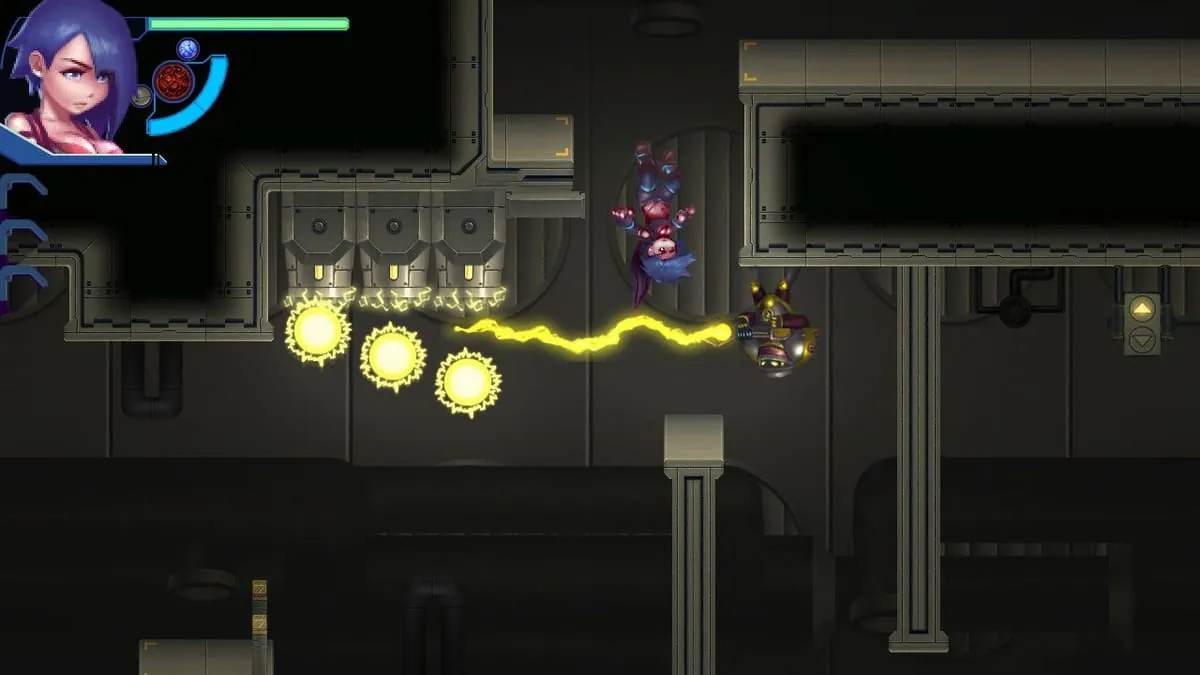
Future Fragments Screenshots

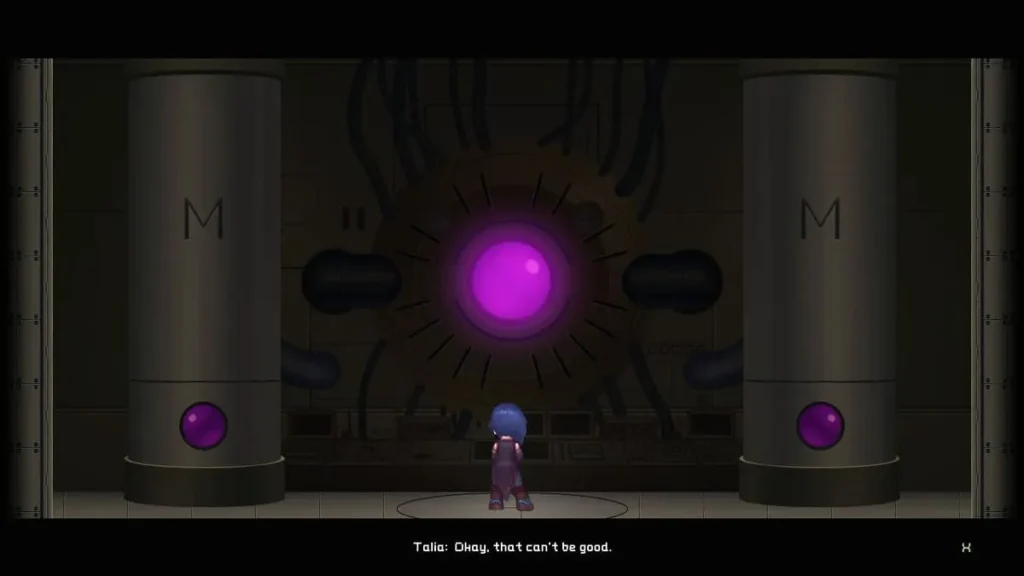



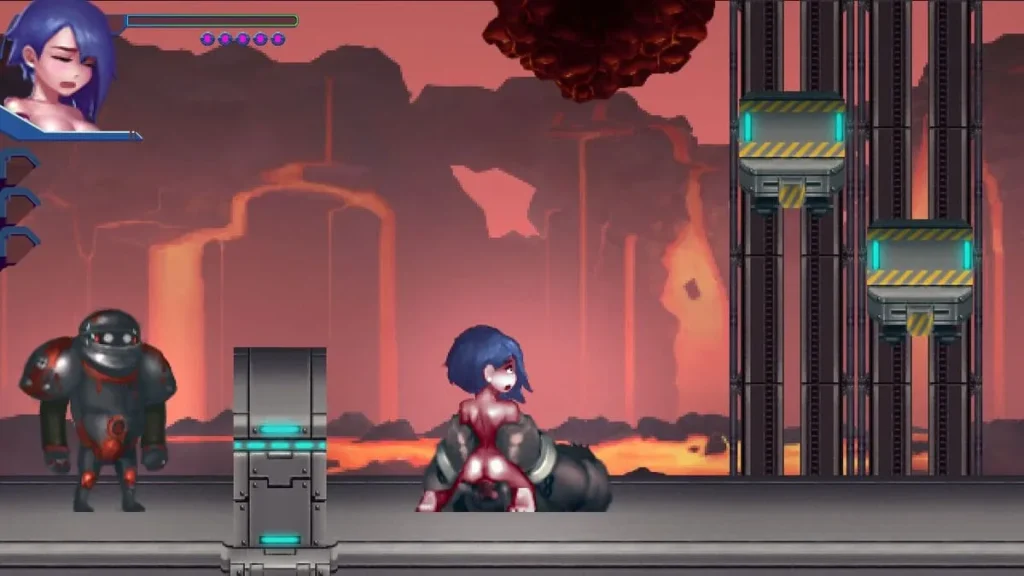
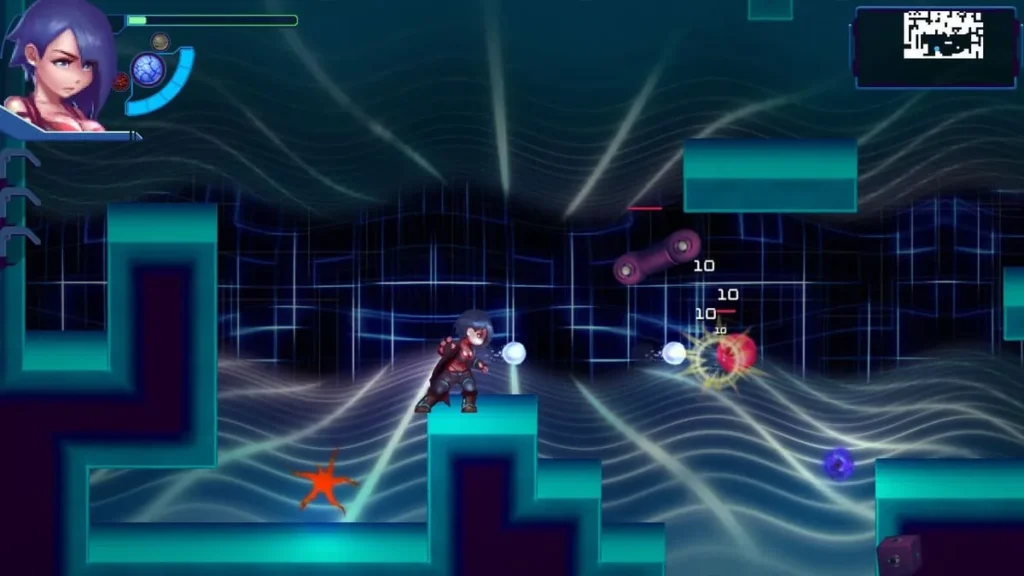
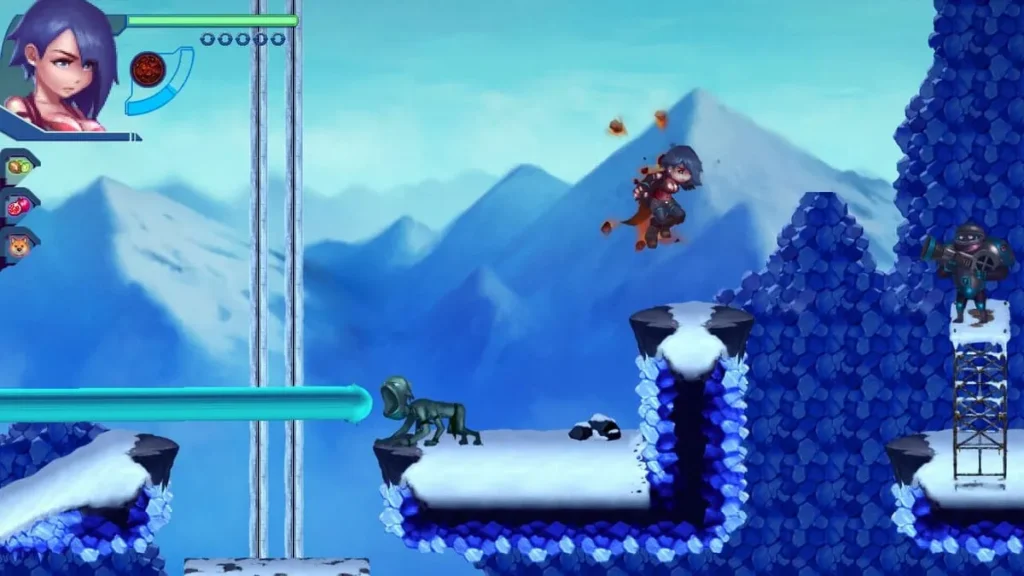
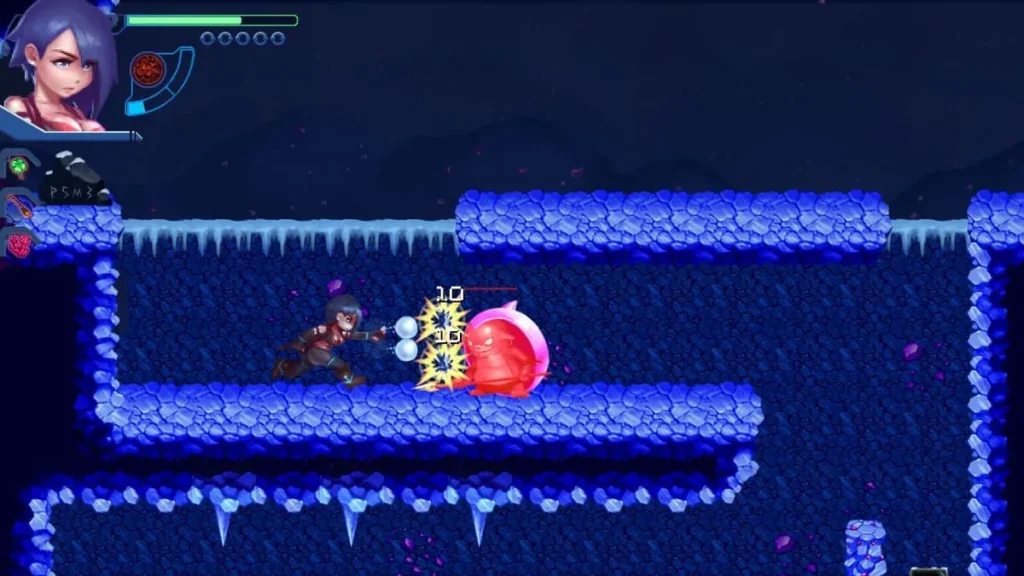
Future Fragments review
Dive into Time-Traveling Action with Choices That Shape Your Journey
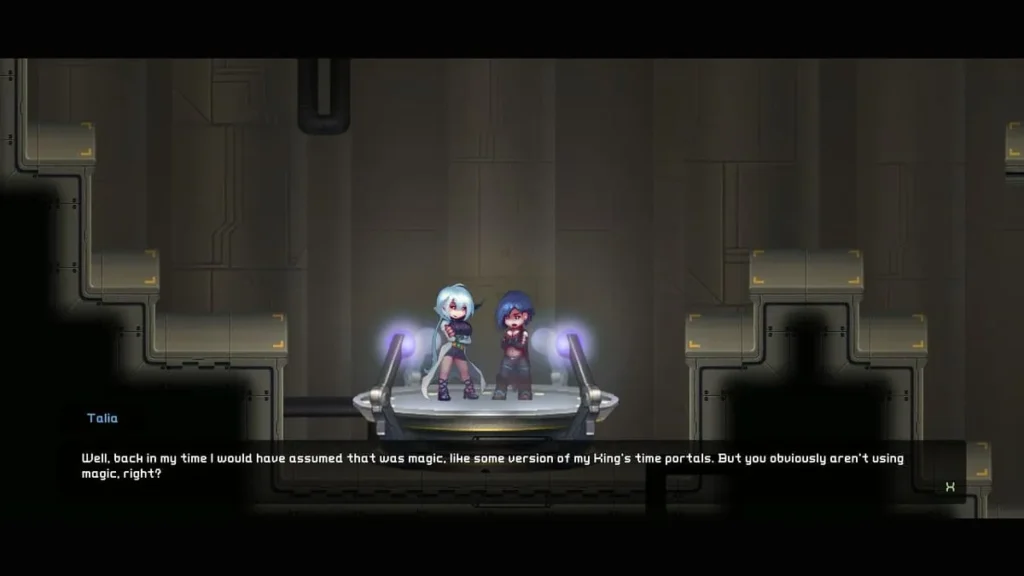
Imagine leaping through time portals in Future Fragments, a gripping platformer that blends heart-pounding action with a branching storyline packed with mature twists. Developed as an adults-only gem, this game sends mages Talia and Faye from a magical kingdom in the year 1000 to a dystopian future, hunting powerful weapon fragments to save their realm. I first stumbled upon Future Fragments during a late-night Steam browse, and its mix of fluid platforming, English voice acting, and choice-driven narrative hooked me instantly. Whether you’re dodging enemies in neon-lit futures or uncovering hidden databanks, Future Fragments delivers an immersive escape. Stick around as we explore its worlds, mechanics, and why it’s a must-play for genre fans.
What Makes Future Fragments a Standout Platformer?
I remember scrolling through a sea of similar-looking platformers, feeling that familiar itch for something truly new. Then, I stumbled on a trailer that made me pause. It showed a mage in elegant robes not just firing spells, but hacking a futuristic terminal, her magic swirling with digital code. This was my first glimpse into Future Fragments, and I was instantly hooked by its audacious blend of ancient mysticism and dystopian sci-fi. This isn’t just another hop-and-bop adventure; it’s a cerebral, choice-driven expedition through broken timelines.
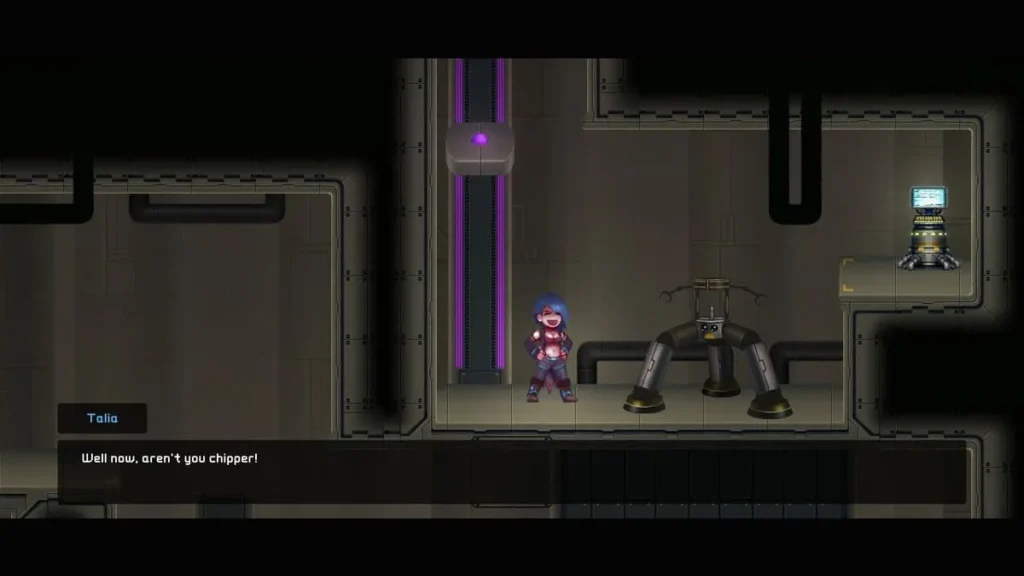
So, what is Future Fragments? At its heart, it’s a time travel platformer that throws you into a paradox. You play as Talia, a powerful mage from the peaceful year 1000, who is violently ripped from her era and cast into a grim, mechanized future dominated by the tyrannical WORM regime. Your mission? Navigate this foreign world, understand why you were brought here, and find a way home—all while your every decision permanently alters the flow of history. The Future Fragments gameplay is a masterful mix of tight platforming, dynamic combat, and narrative exploration, making it a branching choices game that demands both skill and thought.
How Does the Time-Travel Story Unfold?
The Future Fragments story begins with a brutal dislocation. One moment Talia is in her verdant, magical homeland; the next, she’s choking on the smog of a giant industrial complex. The cause of this temporal snafu is the WORM (World Order Regulation & Management) regime, a fascistic force that has weaponized time itself to cement its power. Their gleaming cities are built on the bones of plundered eras, and they see a primordial mage like Talia as either a key to greater control or a threat to be erased.
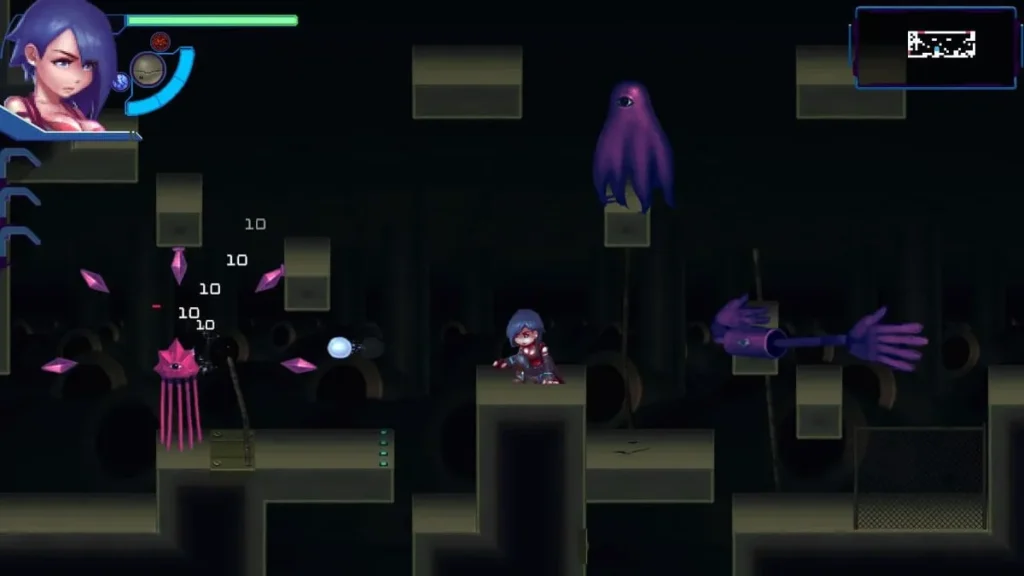
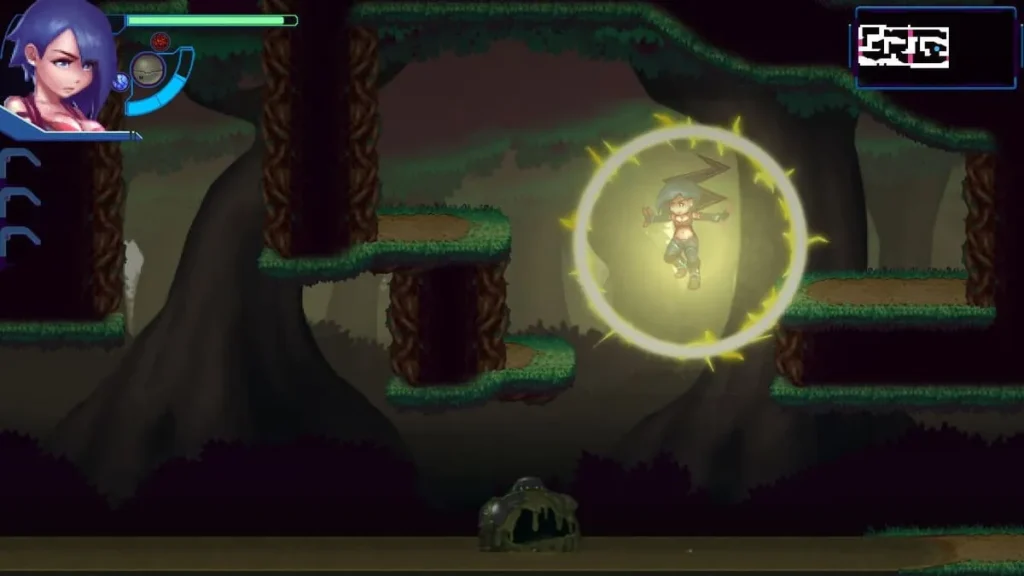
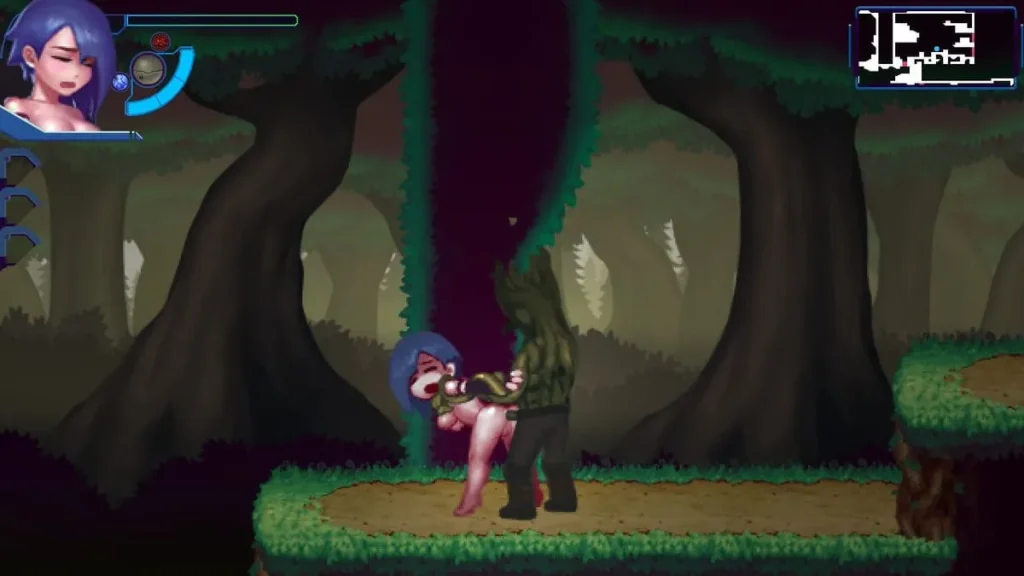
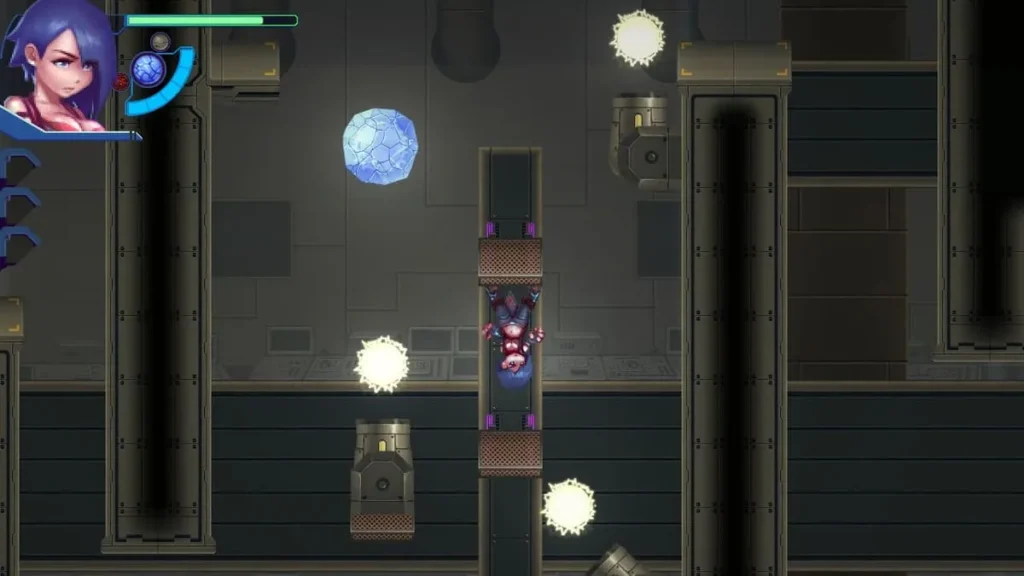
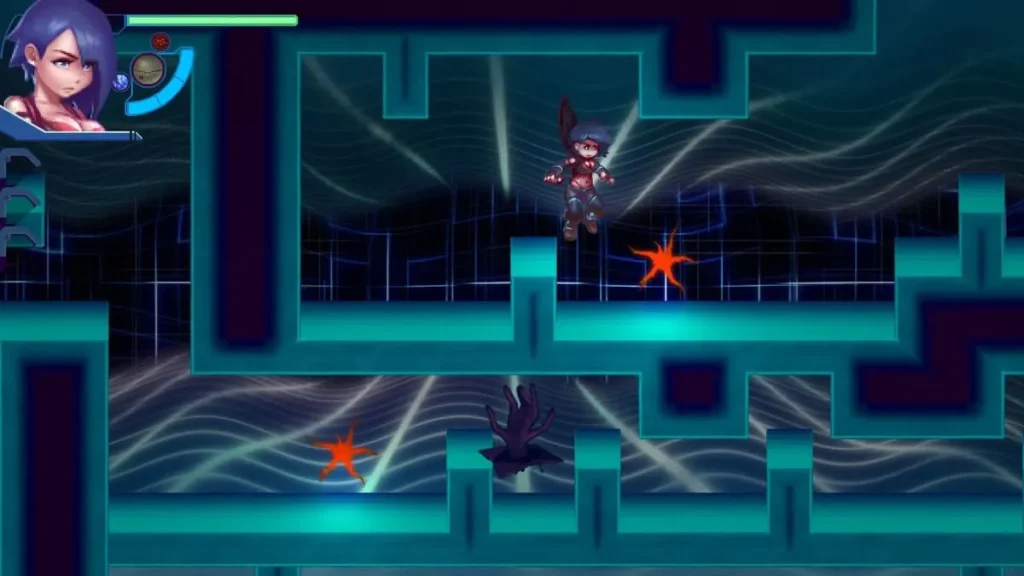
What sets the narrative apart is its lived-in feeling. This isn’t a generic “bad future.” You explore derelict Encampments where survivors huddle, vast mechanical Expanses where ancient machines still groan to life, and surreal Fragmented Zones where time itself is unstable, blending assets from different epochs into a glorious, chaotic soup. I’ll never forget the first time I jumped from a rusted gantry in a factory level, only to pass through a shimmering temporal tear and land on a floating island of crystalline magic from Talia’s own time. The art shift was breathtaking—it truly sells the concept of a shattered timeline.
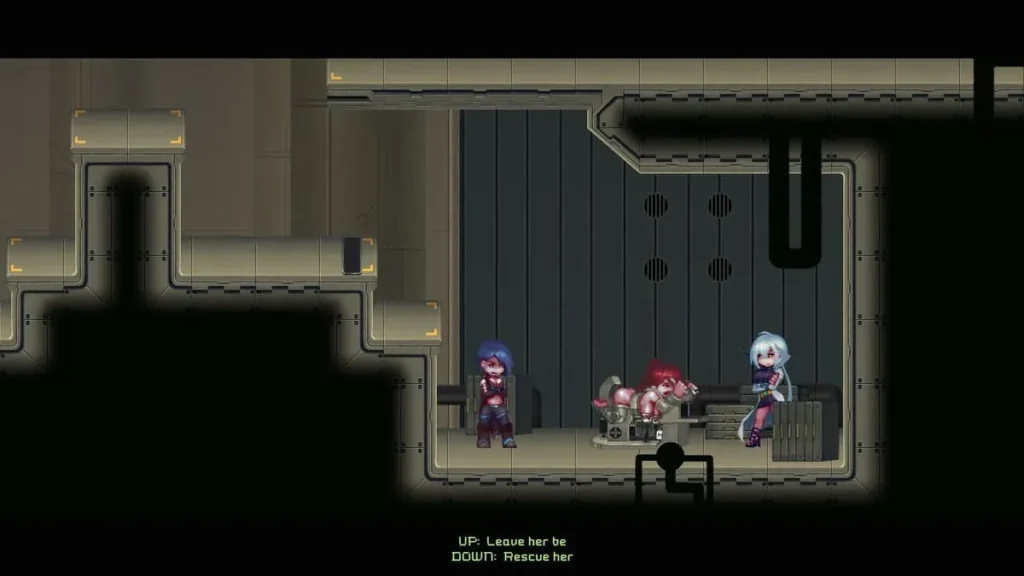
The core of the Future Fragments story, however, is your agency. Early on, you’re presented with seemingly minor choices that ripple outward. The game doesn’t pause with a giant “CHOICE” prompt; often, it’s how you interact with the environment or other characters. Do you use force to bypass a guarded gate, or seek a stealthier, magical solution? Do you take a moment to help a stranded scavenger, or press on with your own urgent mission? These decisions lock in branching paths, influencing which levels you access, which allies you meet, and ultimately, which of the multiple endings you unlock.
Personal Case Study: The Mercy of a Mage
In one early encounter, I found a wounded WORM scout pinned under debris. Talia, true to her character, has a strong “no-attack-first” policy. The game gave me options: leave him, finish him off, or try to help. I chose to help, using a bit of earth magic to shift the rubble. This act of mercy, which felt like a small role-playing touch, had massive consequences. Hours later, during a prison break sequence, that same scout appeared. Remembering Talia’s kindness, he created a distraction, allowing me to bypass a heavily fortified security checkpoint entirely and access a hidden area with crucial story logs. This alternate route completely changed my understanding of the WORM regime’s internal dissent. It was a powerful lesson that in Future Fragments, your moral compass is a genuine gameplay tool.
Key Characters: Talia, Faye, and Beyond
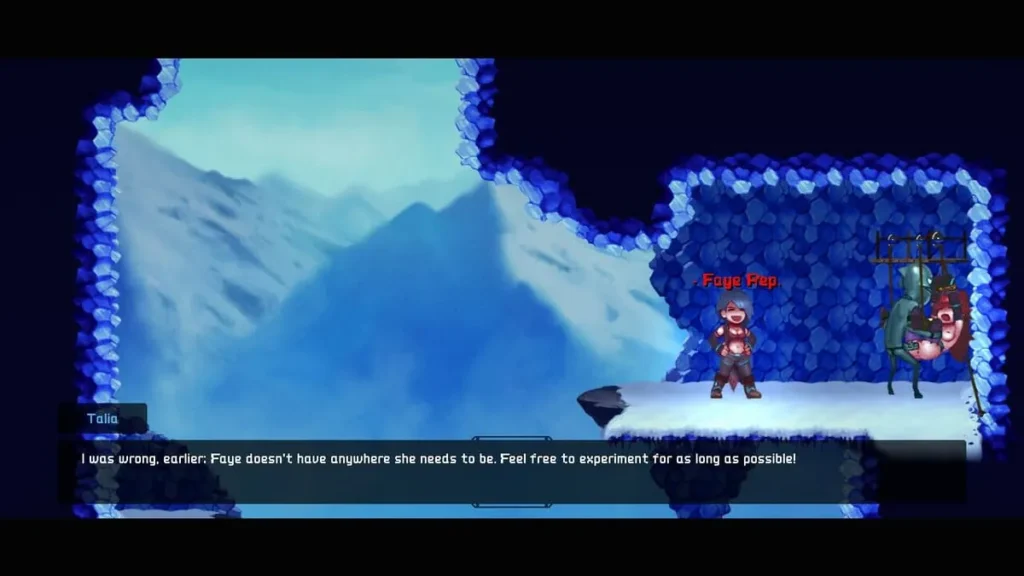
The soul of this journey lies with its characters. Talia and Faye Future Fragments are the central duo, and their dynamic is fantastic.
- Talia is our portal into this world. She’s compassionate, principled, and deeply powerful, yet completely out of her depth. Her magic is organic and elemental, clashing visually and thematically with the cold tech of the future. Playing her isn’t just about running and gunning; it’s about navigating her shock, her empathy, and her growing resolve. Will she hold to her ideals in a world built on brutality, or adapt to survive?
- Faye is your guide, antagonist, and wild card all in one. A native of the future with immense techno-magical power, she’s the one who initially pulls Talia through time. Her motives are shrouded in mystery. Is she a rebel using Talia as a weapon? A manipulator with a grander plan? Her sleek, high-tech design and cocky attitude make her a perfect foil to Talia’s more traditional aesthetic and demeanor.
But the cast extends far beyond them. You’ll meet figures like Vie, a brilliant and weary engineer disillusioned with the WORM regime, whose knowledge of the old world’s machinery is invaluable. Each character is brought to life with exceptional English voice acting and stunning animated illustrations during dialogues, making every interaction feel significant and cinematic.
Your choices directly shape your relationships with these characters. Here are five major player choices and their potential impacts:
- Spare or Subdue: Choosing non-lethal takedowns against early WORM enforcers can later unlock peaceful negotiation options with low-level commanders, revealing a hidden faction within the regime.
- Share Knowledge: Deciding to teach a fragment of your ancient magic to a curious engineer can lead to them crafting you a unique hybrid tech-magic item later, altering your combat capabilities.
- Trust Faye: When Faye gives you a questionable order, blindly following it might gain her approval and unlock powerful combined attacks, while questioning her can lead to discovering she’s hiding a critical weakness.
- Prioritize the Mission or the People: In a collapsing zone, saving a group of civilians over immediately chasing your target can close off a direct path but open up a network of underground safehouses and new side quests.
- Reveal Your Origin: Telling a key character the full truth about where you’re from can either forge an unbreakable alliance based on shared history or mark you as too dangerous to be left alive, triggering an early boss fight.
Blending Genres for Mind-Bending Gameplay
The Future Fragments gameplay is where all these elements fuse into something special. Calling it a platformer is true, but reductive. It’s a precision action-adventure with a heavy emphasis on exploration and consequence.
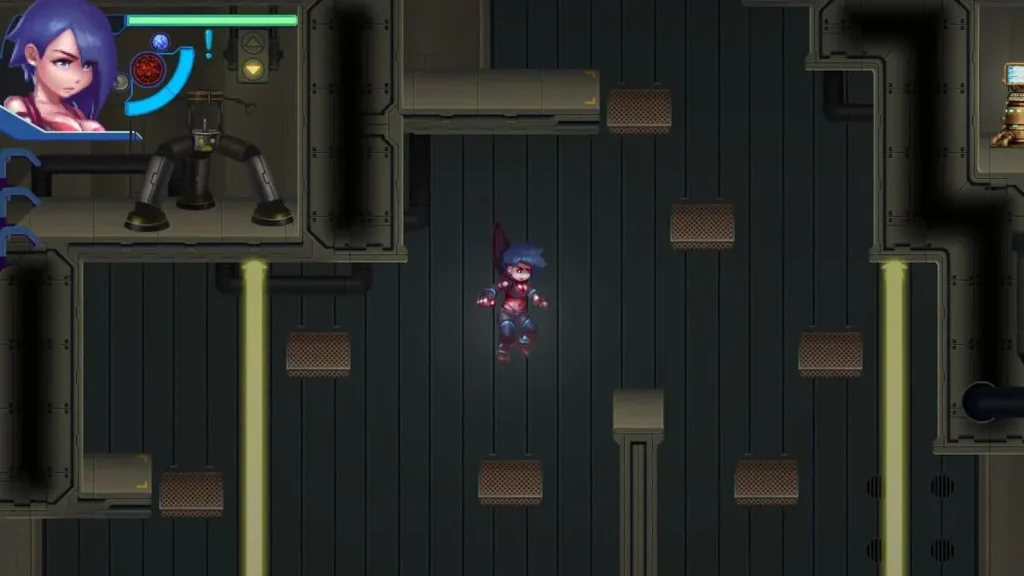
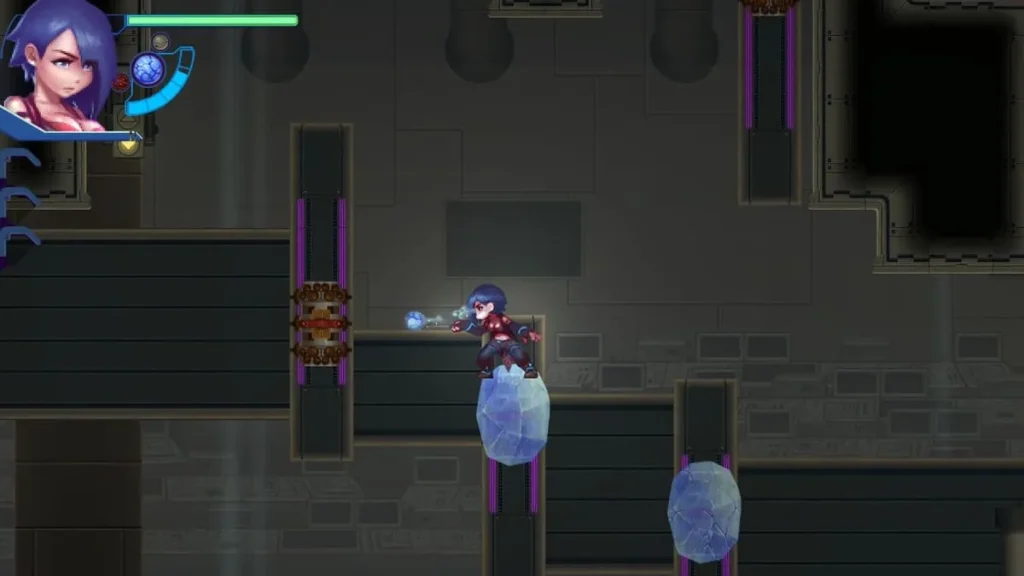
Platforming & Exploration: The levels are vast, multi-layered, and packed with secrets. You’ll use Talia’s growing suite of abilities—like a double jump infused with air magic, or a crystal grapple that latches onto specific points—to navigate. The feel is weighty and deliberate; this isn’t a floaty arcade romp. My top practical tip? Master the jump-cancel. Talia’s basic magic bolt can be fired in mid-air, and doing so right at the peak of your jump gives a tiny, crucial hover that makes landing those pixel-perfect jumps across moving platforms far more manageable. Always be scanning the environment not just for gems, but for temporal distortions, unusual consoles, and lore fragments that flesh out the world and the WORM regime Future Fragments.
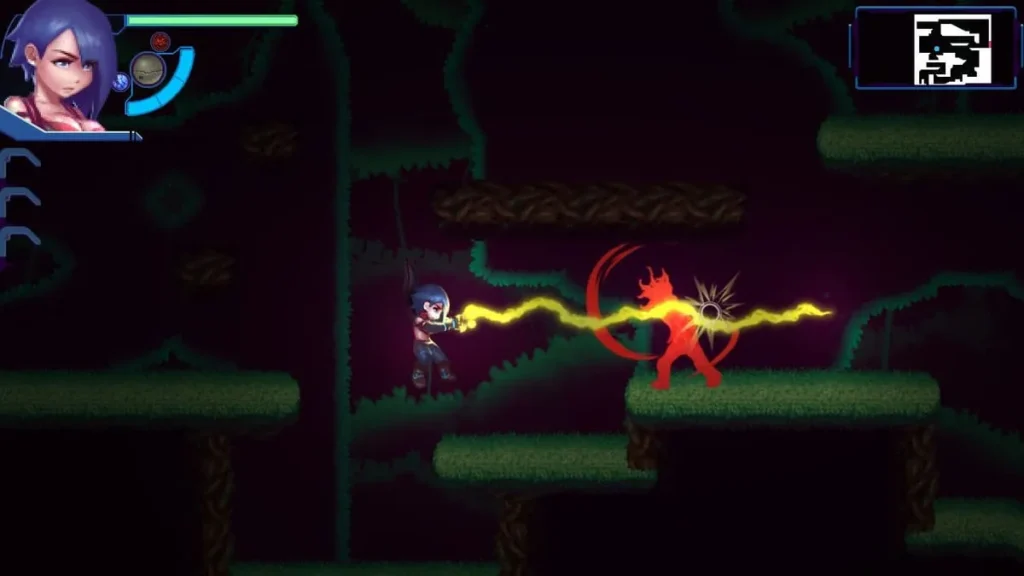
Combat & Choices: Combat is a fluid dance. You can mix light and heavy magic attacks, charge spells for area effects, and use the environment. But again, choice is key. Many enemies can be dealt with in multiple ways. That hulking security bot? You could blast it apart, or you could use a water spell on a nearby overheated pipe to short-circuit it, which is quieter and might not trigger a larger alarm. This systemic design makes every encounter a mini-puzzle.
Progression & Saving: The game uses a thoughtful save system. You find “Chronostasis Points” (save points) scattered through levels, often before major challenges or narrative beats. The game also auto-saves at key moments. My advice? Save often at different points. Because your choices branch the story, you’ll want multiple save files to experience different outcomes without replaying dozens of hours. It encourages experimentation.
The overall package—from the voice work to the impactful soundtrack that shifts from melancholic piano in safe zones to pulsing synths in WORM facilities—feels like a premium, hardcore sci-fi epic. It has the depth of a novel and the interactivity of the best immersive sims, all wrapped in the accessible shell of a time travel platformer. It’s a game that respects your intelligence and rewards your curiosity at every turn.
| Question | Answer |
|---|---|
| What are the basic controls for platforming? | The controls are tight and responsive. Use arrow keys/WASD for movement, ‘Z’ or ‘Space’ to jump (tap twice for double jump), and ‘X’ to fire your basic magic attack. Remember, firing your attack at the peak of a jump gives a slight hover for precision. |
| How does saving work? Can I save anywhere? | You save at designated “Chronostasis Points” found throughout the levels. The game also creates auto-saves at major story beats. It’s highly recommended to manually save at different points to explore branching choices without losing progress. |
| Any tips for the first major level? | Take it slow and explore! The initial Encampment is designed to teach you. Look for glowing lore fragments, talk to every character you see (your choices start here), and experiment with using your magic on environmental objects—not just enemies. Check the perimeter of every large area for hidden paths. |
Future Fragments masterfully weaves platforming precision, time-travel lore, and meaningful choices into an unforgettable adventure that keeps you coming back for more endings. From Talia and Faye’s epic quest against the WORM’s grip to the black market thrills of the Encampments, every jump and decision pulls you deeper into its worlds. My own runs showed how small tweaks—like sparing an enemy—unlock hidden databanks and steamy side paths, making replays endlessly rewarding. If you’re craving a platformer with depth, substance, and adult flair, grab Future Fragments on Steam today. Jump in, explore the futures, and craft your legend—what fragment will you chase first?