Imperium Bureaucracy Hero
Play Imperium Bureaucracy Hero
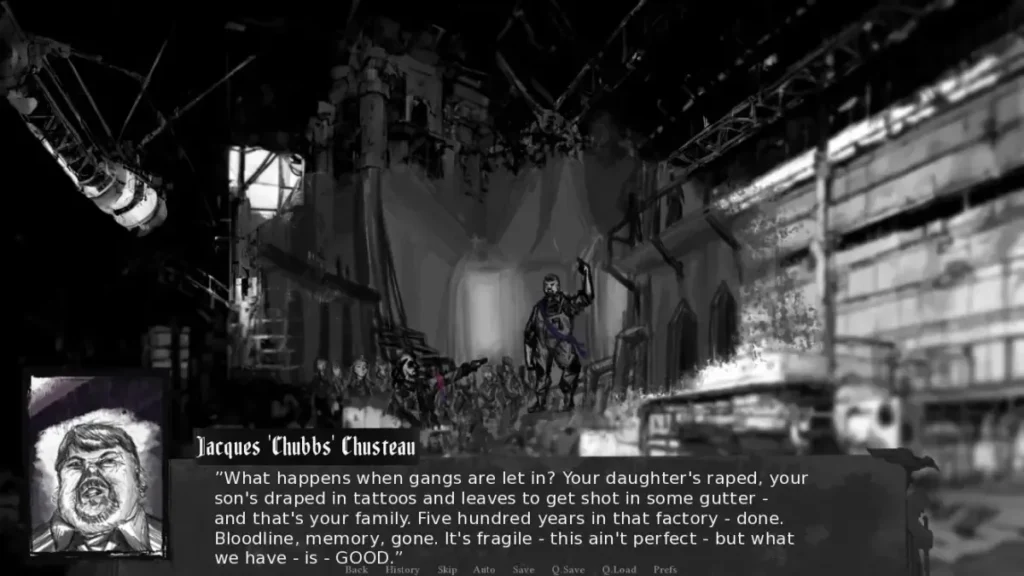
Imperium Bureaucracy Hero Screenshots
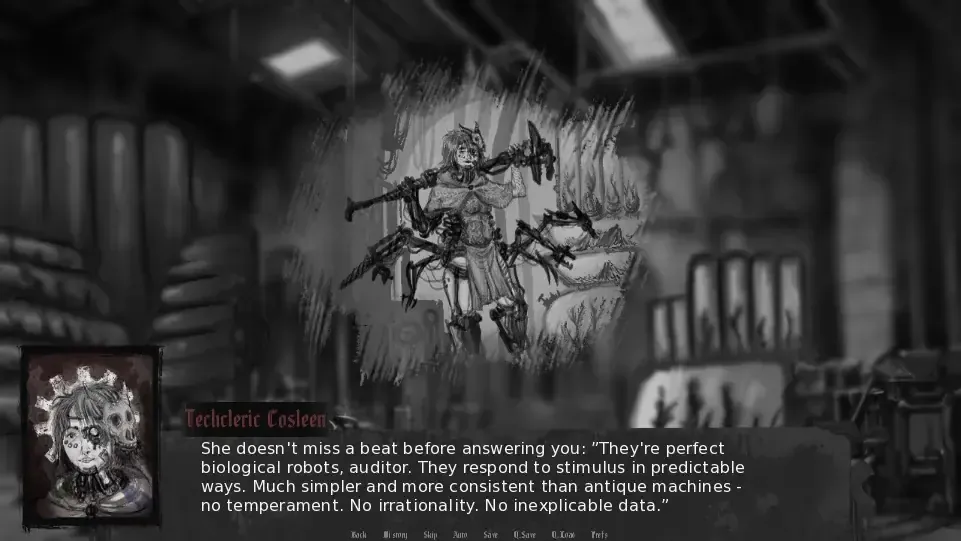
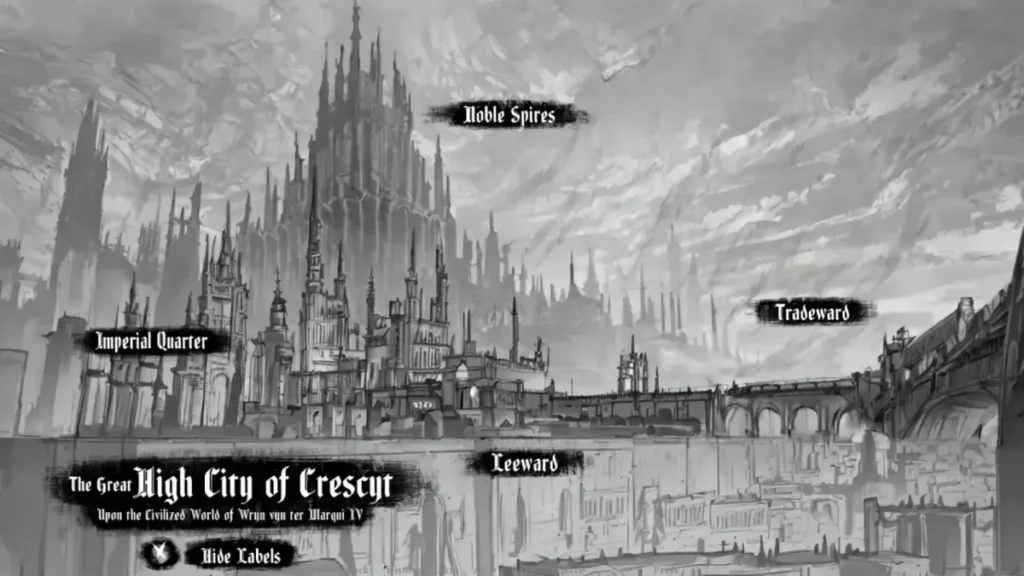
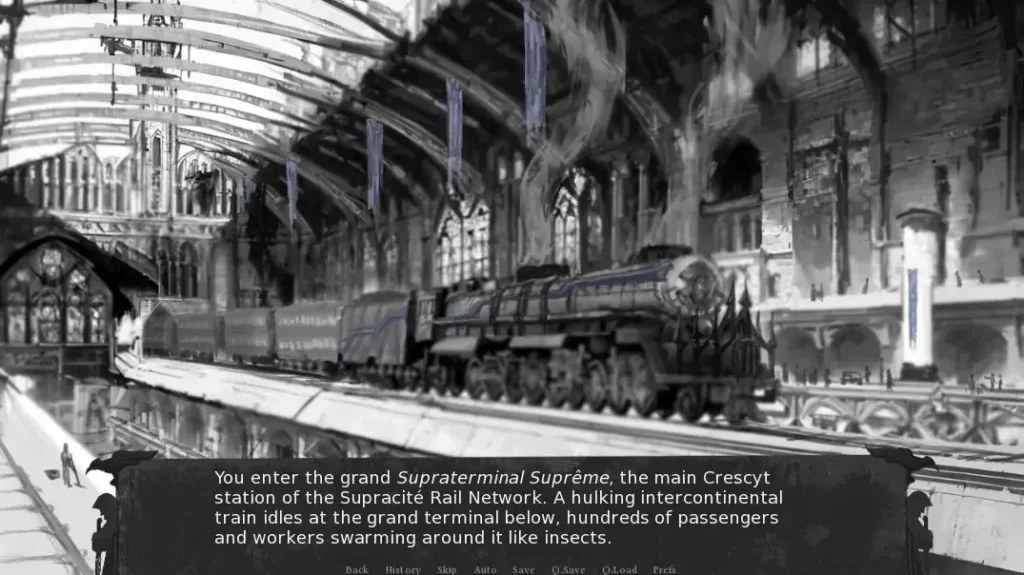
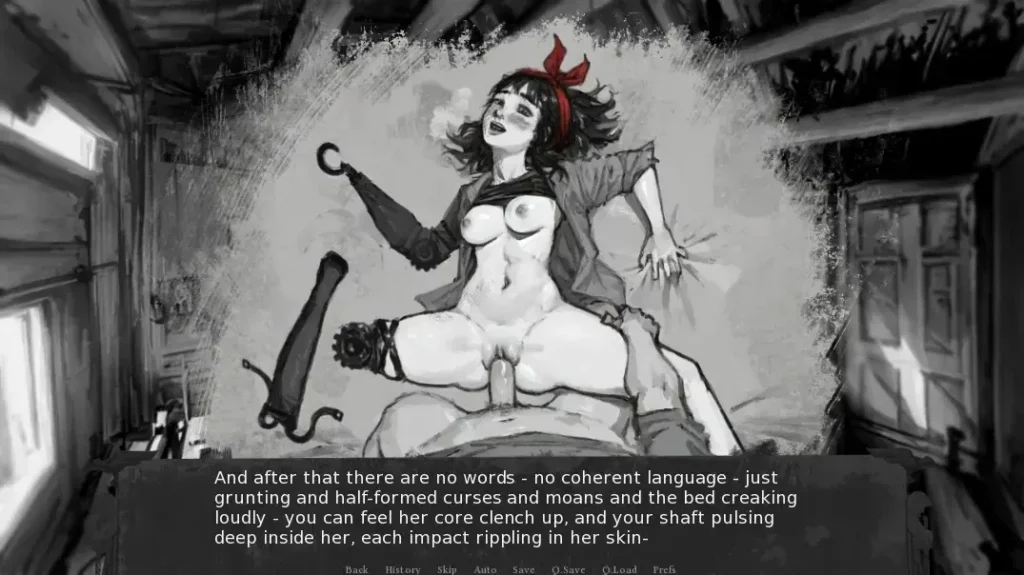
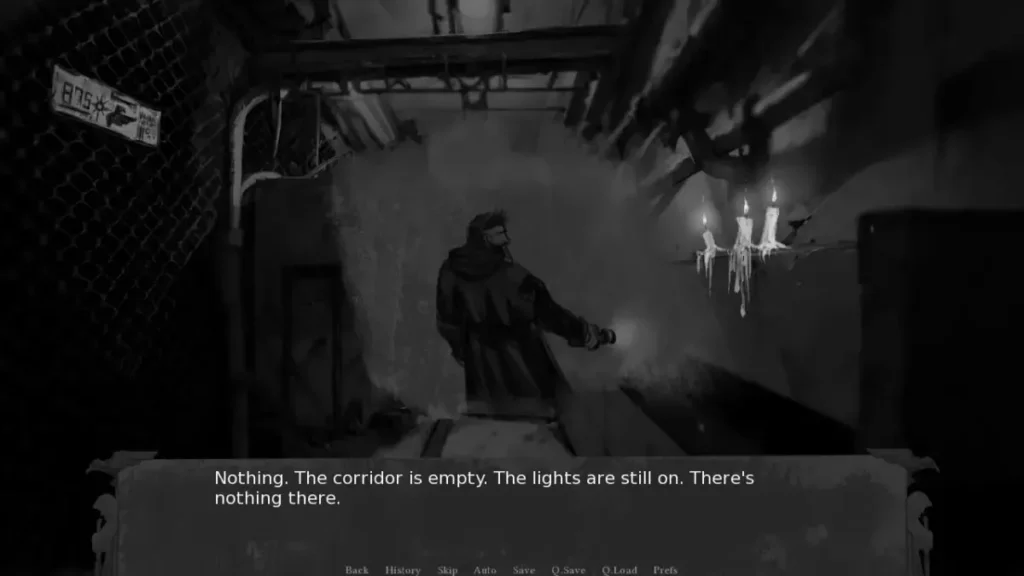
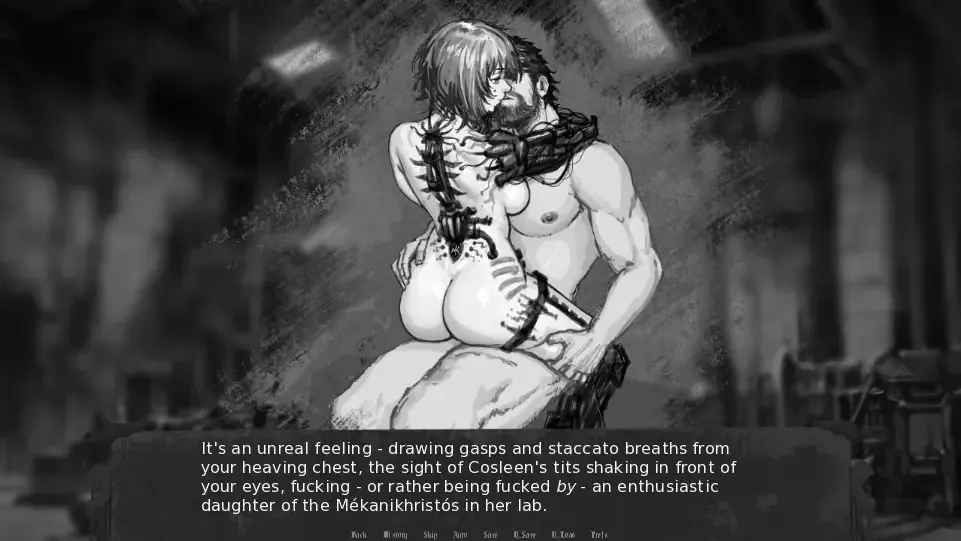
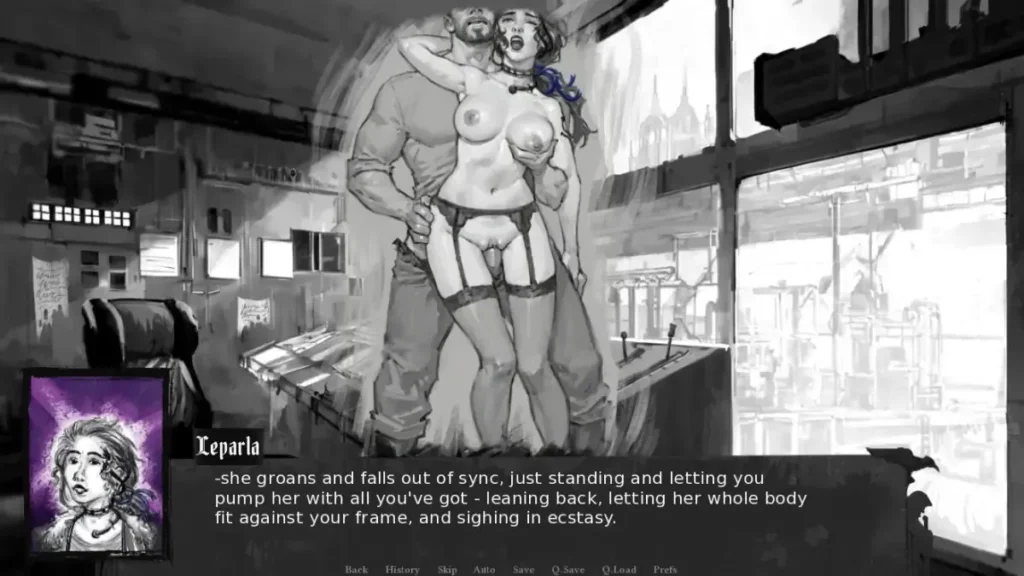
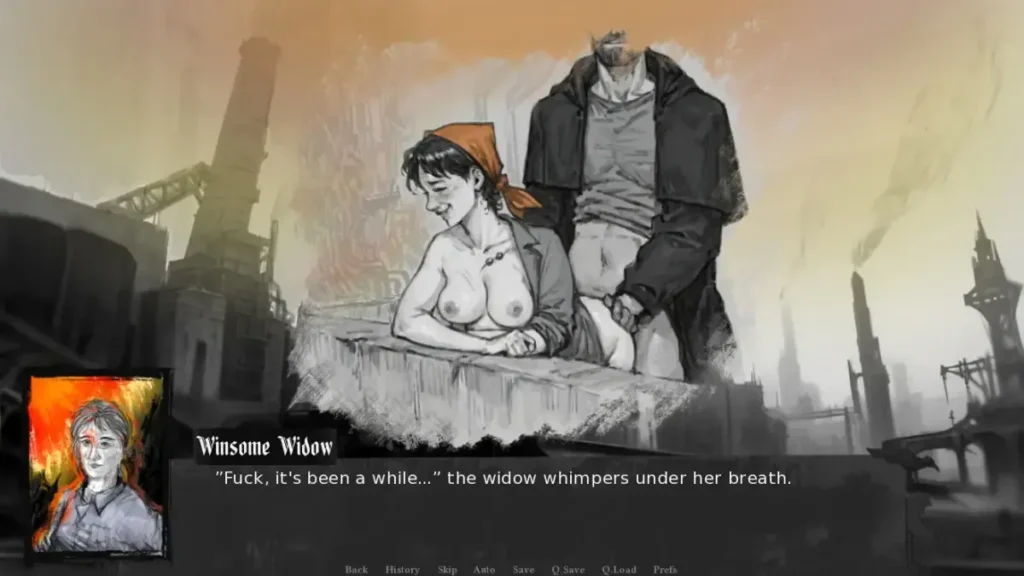
Imperium Bureaucracy Hero review
Exploring gameplay mechanics, narrative depth, and community reception of this unique indie title
Imperium Bureaucracy Hero stands out as a distinctive indie game that blends narrative-driven storytelling with strategic decision-making in a richly detailed universe. Drawing inspiration from Warhammer 40K lore, this title offers players a unique perspective on what it means to hold power within a vast bureaucratic system. Rather than focusing on combat or traditional heroics, the game challenges players to navigate moral dilemmas, manage resources, and make choices that ripple through the game world. Whether you’re a fan of story-heavy games, strategic gameplay, or immersive world-building, understanding what makes Imperium Bureaucracy Hero compelling can help you decide if it’s worth your time.
What Makes Imperium Bureaucracy Hero Unique in Indie Gaming
Let’s be honest: when you fire up a new game, you expect a certain script. You’re the chosen one, the last hope, the hero with a shiny sword or a big gun, destined to save the world through valor and violence. 🗡️
Imperium Bureaucracy Hero throws that script into the nearest paper shredder. Then it charges you a triplicate form fee for the disposal. This isn’t a story about epic battles against alien hordes; it’s a story about the epic battle against your in-tray, your own ambition, and the unsettling ease with which a soul can be traded for a slightly nicer office. Welcome to the most uniquely stressful and compelling role you’ll play this year: a mid-level functionary in a vast, decaying galactic empire, where your most powerful weapon is a rubber stamp. 📄🖋️
### The Core Premise: Playing as a Bureaucrat Rather Than a Hero
The genius of Imperium Bureaucracy Hero gameplay begins with its fundamental inversion of the power fantasy. You are not a Space Marine. You are the person who loses the Space Marine’s deployment request Form DG-781/B under a pile of mineral rights permits. Your battlefield is a labyrinthine office complex; your enemies are inefficiency, rival departments, and your own moral compass. Your goal? To climb the greasy pole of administration by any means necessary, in a system so bloated and corrupt that ethical behavior is the fastest route to a dead-end career.
This setup creates a delicious tension. You feel the crushing weight of the Imperium’s bureaucracy—a clear nod to the immense, uncaring machine of the Warhammer 40,000 universe—but you’re experiencing it from the inside, at a human scale. The horror isn’t a Tyranid; it’s a deadline. The tragedy isn’t a lost world; it’s a lost requisition that could cost a frontier outpost its supplies. This perspective shift is what defines the Imperium Bureaucracy Hero story. It’s a tale of petty power, quiet tyranny, and the banality of evil, all delivered through the dry language of memos and performance reviews.
I remember my first major “choice.” A request crossed my desk from a planetary governor begging for emergency aid to quell a worker revolt. The “correct” bureaucratic move, heavily implied by my superior, was to redirect the resources to a more politically connected world and simply file the original request as “fulfilled in spirit.” The game didn’t flash a big “EVIL CHOICE” warning. It just presented the forms. Clicking that virtual stamp felt more consequential than any moral choice in a high-fantasy RPG. I wasn’t choosing to be a villain; I was just choosing to be good at my job. That’s the chilling, brilliant core of this experience.
What truly sets it apart? Here are the key features that flip the traditional gaming script:
- Power Through Paperwork: Your primary interactions are through forms, reports, and directives. Success isn’t measured in kills, but in processed quotas, favors earned, and political obstacles cleared.
- The System is the Antagonist: You’re not fighting a singular “big bad.” You’re navigating and manipulating a vast, impersonal system that grinds down individuals. Your struggle is for agency within a machine designed to remove it.
- Social Combat as Core Gameplay: Conversations are your action sequences. Persuading a clerk, intimidating a rival, or lying to an auditor are your key skills. Each dialogue choice is a strategic move with reputational consequences.
- Resources are Influence: Your “currency” isn’t gold or credits, but influence points, departmental favors, and blackmail material. Managing these intangible assets is critical for advancement.
To visualize this shift, let’s break down the traditional hero vs. the bureaucratic “hero”:
| Traditional Game Hero | Imperium Bureaucracy “Hero” |
|---|---|
| Saves the world through direct action and combat. | Influences the world through indirect policy and paperwork. |
| Moral choices are often clear-cut (save village/raid village). | Moral choices are murky, career-oriented compromises. |
| Progress is unlocked by gaining strength or new gear. | Progress is unlocked by gaining security clearance and political leverage. |
| The story is about external conquest. | The story is about internal corruption and survival. |
This foundational premise is what hooks you, but it’s the execution of its narrative-driven gameplay that reels you in for the long haul. 🎣
### Narrative-Driven Gameplay and Moral Decision-Making
If the premise is the hook, the narrative is the line and sinker. Imperium Bureaucracy Hero is a masterclass in indie game writing quality, proving that text-based storytelling, when done with this much care and character, can be more immersive than any blockbuster cutscene. The Imperium Bureaucracy Hero gameplay is inseparable from its story; every form you stamp, every report you fudge, and every colleague you betray is a narrative beat.
The game excels in moral choice storytelling, but not of the grandiose, “choose the fate of the kingdom” variety. Instead, it deals in devastatingly personal compromises. Should you approve the sub-standard equipment for a distant garrison to meet your quarterly quota, knowing it might get people killed? Do you protect a subordinate who made an honest mistake, or throw them under the land-crawler to appease an angry superior? The game tracks these choices not with a simple karma meter, but through a web of character-driven indie games mechanics: individual character loyalties, departmental reputations, and a personal “integrity” stat that you’ll watch erode (or, with immense difficulty, try to preserve).
This is where the indie narrative game mechanics shine. Your desk is the game’s UI, and every item on it—the inbox, the personnel files, the inter-departmental messenger—is a portal to a story. Reading a request isn’t just skimming text; it’s an act of investigation. You learn to read between the lines of officialese, spotting the hidden pleas, the veiled threats, and the opportunities for personal gain. The decision-making gameplay is constant, layered, and deeply satisfying because the consequences are both systemic and personal.
“I finished my first playthrough and just sat there for ten minutes, staring at the wall. I didn’t set out to be a monster. I just wanted a promotion. The game made me feel every small, selfish choice until I didn’t even recognize the person I’d become. The writing didn’t judge me; it just showed me the results. It’s a masterpiece of quiet horror.” – A player’s testimonial on the community hub.
This quote captures the emotional resonance the game achieves. You become invested in a small cast of characters: your weary assistant, your sycophantic rival, the idealistic clerk in the sub-basement. Their fates are directly tied to your decision-making gameplay. The humor, often derived from the sheer absurdity of imperial red tape, makes the darker turns hit even harder. One moment you’re laughing at a 50-page form for requesting a new stylus, the next you’re morally paralyzed by a decision that will ruin a co-worker’s life. This tonal balance is incredibly difficult to pull off, and the game’s writing manages it flawlessly.
The Imperium Bureaucracy Hero story is ultimately about people trapped in a machine. It finds moments of genuine human connection—a shared cup of recaf with a colleague, a secret act of minor rebellion—that feel like lifelines in the oppressive gloom. These moments make the world feel lived-in and real, far beyond its satirical premise.
### Community Reception and Player Engagement
Given its niche-sounding premise, you might expect Imperium Bureaucracy Hero to be a cult curiosity. Instead, it has sparked a fervent and deeply engaged community. The reception has been overwhelmingly positive, with players consistently praising the very elements we’ve discussed: the razor-sharp writing, the brilliant subversion of tropes, and the depth of its moral choice storytelling.
Across forums and review platforms, the chorus is clear: this is a game that sticks with you. Players share stories of their playthroughs like confessional tales. “I became a petty tyrant for a corner office,” one might write. Another says, “I went full whistleblower and got myself ‘reassigned’ to a penal colony by week three—worth it!” This level of personal investment is the hallmark of a successful narrative-driven gameplay experience. The game doesn’t just entertain; it provokes discussion about bureaucracy, complicity, and how easily goodness can be compartmentalized.
The community has embraced the game’s unique Imperium Bureaucracy Hero gameplay, creating guides that read like actual civil service manuals: “How to Efficiently Process Form Series 88,” or “A Beginner’s Guide to Social Favor Trading.” They dissect the branching narrative paths, comparing notes on how to save certain characters or achieve different endings. This meta-layer of engagement—treating the game’s systems as a complex puzzle to be solved—is a testament to how well-constructed and compelling its indie narrative game mechanics are.
Much of the discussion also highlights the game’s indie game writing quality. Players single out specific characters, memorable lines of dialogue, and the subtle world-building buried in mundane documents. They appreciate that the game, while clearly inspired by the grimdark aesthetic of 40K, carves its own identity. It’s less about the galactic war and more about the quiet, desperate struggle within the belly of the beast. This focus allows for a more intimate and psychologically complex story than its inspiration typically permits.
The balance of dark themes with humor is another frequently cited strength. The community often shares their favorite absurdist moments—the bizarre regulations, the overly dramatic internal communiques—which provide essential levity. This balance ensures the experience is thought-provoking without being emotionally exhausting. It’s a dark comedy about the end of the universe, told from a cubicle.
In a landscape filled with games about empowerment, Imperium Bureaucracy Hero offers a rare and valuable experience: a game about complicity. It proves that you don’t need lasers and explosions to create tension, drama, and meaningful choice. All you need is a desk, a mountain of paperwork, and the haunting question: how far are you willing to go? The answer, as discovered by its passionate community, is never simple, and that’s what makes this character-driven indie game an unforgettable triumph. 🏆
Imperium Bureaucracy Hero represents a compelling example of indie game development that prioritizes narrative, character development, and meaningful player choice over traditional action-oriented gameplay. The game’s strength lies in its ability to create emotional investment through exceptional writing and well-crafted character interactions, transforming what could be a simple bureaucratic simulator into an engaging and thought-provoking experience. Community reception demonstrates that players deeply appreciate the game’s willingness to explore complex themes and challenge conventional gaming narratives. Whether you’re drawn to story-rich experiences, strategic decision-making, or simply well-written interactive fiction, Imperium Bureaucracy Hero offers a unique and memorable gaming experience that stands out in the indie landscape. The ongoing development and community support suggest this title will continue to evolve and improve, making it worth keeping on your radar.