
Single Again
Play Single Again
Single Again Screenshots


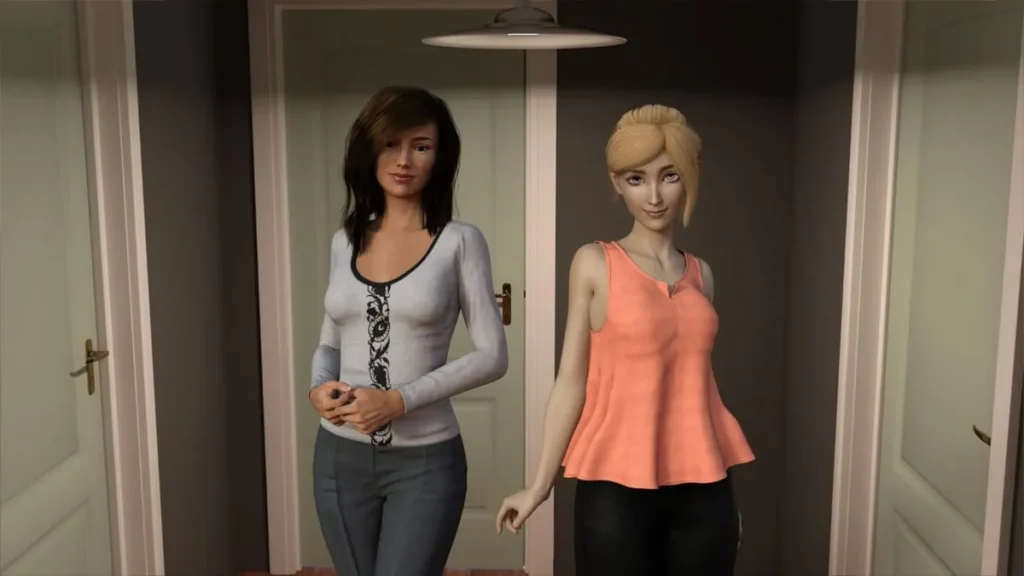
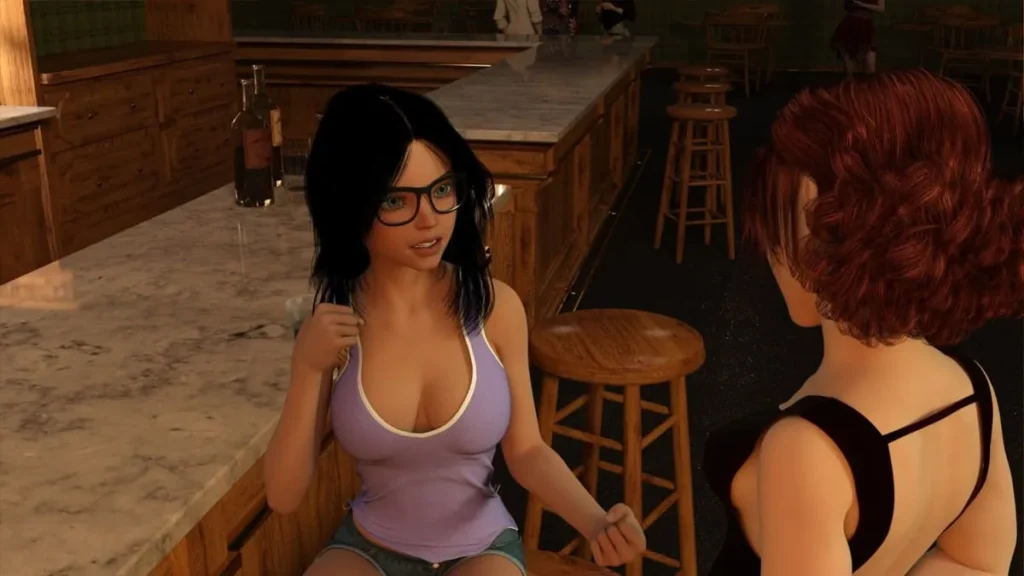




Single Again review
Master every choice and unlock all scenes in this interactive narrative adventure
Single Again is an interactive choice-based narrative game that follows Frank, a man navigating life after divorce with support from his sister Lilith and various characters he encounters. The game features branching storylines where your decisions directly impact which scenes unlock, relationships develop, and endings you experience. This guide provides detailed walkthroughs for every major decision point, helping you understand how choices affect gameplay and discover all available content. Whether you’re looking to unlock specific scenes, understand character interactions, or explore every possible story path, this comprehensive resource covers all the mechanics and strategies you need to fully experience what Single Again has to offer.
Understanding Single Again’s Choice-Based Mechanics
Ever feel like you’re just clicking through a story, waiting for something to happen? 😩 I’ve been there. You play an interactive narrative, make a few choices, and end up with a story that feels… inevitable. But then I booted up Single Again, and it was a different beast entirely. This isn’t a story you just read; it’s a world you build, brick by brick, with every single decision you make. The choice-based narrative gameplay here is the real star, a complex system where your clicks have weight, consequences, and the power to unlock entirely different realities.
To truly master this world and see everything it has to offer—especially those elusive, talked-about moments—you need to understand its engine. Think of this chapter as your blueprint to the game’s core Single Again game mechanics. We’re going to peel back the curtain on how your interactive narrative choices create branching story paths, build (or burn) relationships, and open the doors to unlocking hidden scenes. Let’s dive in.
How Decision Points Shape Your Story
From the very first scene, Single Again is quietly judging you. 🤫 It’s not about good or bad choices; it’s about your choices. Every dialogue option, every action you take (or choose not to take), is a fork in the road. This is the heart of its choice-based narrative gameplay. The game doesn’t just have a few big decisions—it’s a web of tiny, interconnected choices that cascade into your unique experience.
I learned this the hard way on my first playthrough. I played it safe, was overly polite, and tried to be the “good guy.” The result? A pretty bland story where my character, Leo, ended up mostly alone, and the narrative felt linear and short. I missed whole characters and locations! That’s because the game’s branching story paths are activated by specific combinations of decisions. For instance, showing initial curiosity about your mysterious neighbor, Abigail, opens up a chain of potential interactions. Ignoring her, however, might steer the narrative toward other characters entirely, like Sarah or Emma.
The magic is in the accumulation. The game has a persistent memory that’s sharper than my own. 🧠 Did you peek when you had the chance? Did you return a found item immediately or hold onto it? These moments are tracked. A choice in Chapter 1 might quietly set a flag that only becomes relevant in Chapter 4, locking or unlocking a pivotal scene. This creates incredible replay value. You’re not just replaying for a different ending; you’re replaying for a different middle.
Pro Tip: There are no “right” answers, only different paths. Don’t be afraid to be curious, bold, or even a little sneaky on subsequent playthroughs. The most interesting content often lies off the beaten path.
Game-over scenarios are a direct and sometimes jarring example of this cause-and-effect design. They aren’t about failing a puzzle; they’re about making a series of choices that lead to an irreversible narrative conclusion. For example, if you push boundaries with Abigail too aggressively or at the wrong time—like getting caught in a compromising situation—the story can end abruptly. It’s the game’s way of saying your actions have logically concluded this particular thread, often with a dose of dramatic consequence. Understanding these fail-states is key to navigating the delicate character relationship system.
Unlocking Hidden Scenes and Content
This is where Single Again truly shines for completionists and story explorers. 🗝️ The game is packed with secret moments, alternative encounters, and deeper character layers that are gated behind specific choice sequences. Unlocking hidden scenes isn’t about finding a key in a drawer; it’s about assembling the right combination of narrative choices, like cracking a safe made of dialogue and actions.
Let’s talk about the system everyone asks about: the achievement-style unlocks, often shown as “4/5” or “5/5” in community guides. These aren’t random counters. They represent your progression down a specific character’s storyline. Each major interactive narrative choice that aligns with a character’s arc or your intended relationship with them adds a point to that invisible meter. Reach the threshold, and new, more intimate or revealing scenes become available.
A perfect case study is unlocking scenes with Abigail. It’s not one choice; it’s a path. You might need to:
1. Choose to be observant and notice details about her early on.
2. Select dialogue options that show intrigue rather than indifference.
3. Take specific actions when opportunities arise (like a certain late-night visit), demonstrating a particular type of interest.
4. Maintain this consistent thread without triggering her suspicion or a game-over scenario.
Do this correctly, and you’ll unlock content that players who take a different approach will never see. It’s a rewarding system that makes your playthrough feel genuinely earned.
To visualize how these choices branch, let’s look at a few key early-game decisions and their potential ripple effects:
| Key Decision Point | Immediate Consequence | Potential Long-Term Branch |
|---|---|---|
| How to handle Abigail’s initial “noise complaint.” | Sets initial tone: Friendly, Assertive, or Avoidant. | Unlocks/Blocks future friendly interactions, influences whether she opens up later. |
| Choosing to explore the town or stay home on a free day. | Introduces different side characters (Sarah at the café, Emma at the park). | Opens up entire parallel storylines and romance/friendship paths with those characters. |
| Decision to “listen at the door” or “knock” during a key Abigail event. | Directly leads to either a secret discovery or a direct interaction. | This is a classic branch point. One path may lead to hidden observation scenes, the other to more direct relationship progression. Both require further specific choices to advance. |
| What to do with a found personal item. | Immediate reaction from the owner (grateful, suspicious). | Heavily influences that character’s trust meter, which can lock or unlock private conversations later. |
Here are answers to some common questions about unlocking content:
Q: I followed a guide but still didn’t unlock a specific scene with Abigail. What did I miss?
A: The guides often show the critical choices, but the game’s Single Again game mechanics are subtle. You may have made an earlier, seemingly minor choice that altered the path. For example, being caught peeking earlier can set a “suspicion” flag that prevents later intimacy, even if you make all the “correct” choices afterward. You likely need a completely clean, consistent playthrough focused on that one goal.
Q: What exactly triggers a “game over”?
A: Game-over scenarios are typically triggered by violating a character’s trust or boundaries in an irredeemable way. With Abigail, this is often getting caught in an act of spying or overstepping after she’s expressed clear discomfort. It’s a narrative dead-end based on your actions.
Q: Can I unlock everything in one playthrough?
A: Absolutely not! And that’s the beauty. The branching story paths are designed to be mutually exclusive. Pursuing Sarah’s storyline deeply will naturally cause you to miss key moments with Emma or Abigail. You must commit to a path for that playthrough.
Character Relationship Tracking System
Beneath the surface of every conversation in Single Again is a dynamic, living character relationship system. 🫂 This isn’t just a “like/dislike” meter you can see; it’s a complex set of variables tracking trust, intimacy, curiosity, and reputation. Every interactive narrative choice feeds into these hidden metrics for each character you meet.
Think of it like this: each character has their own personality puzzle. Abigail values discretion and subtle curiosity. Sarah might appreciate honesty and directness. Your dialogue options are your tools to solve that puzzle. Choosing the “flirt” option with a character who is currently scared or suspicious won’t raise intimacy; it might lower trust. The system demands emotional intelligence from the player, not just the character.
This tracking is persistent and cumulative. A kind act in Chapter 1 builds a small reserve of goodwill. A clumsy mistake in Chapter 2 might deduct from it. To reach the deepest character scenes (those 5/5 unlocks), you need a net-positive score across multiple categories. This is why being inconsistent—flirty one moment, cold the next—usually leads to a stalled relationship. The character gets confused and closes off.
The system also tracks your overall “approach.” Are you playing Leo as a genuine guy looking for connection, or a opportunistic voyeur? The game notices patterns. If you consistently choose sneaky or observational actions across all characters, it might open up certain hidden branching story paths (like discovery scenes) while permanently closing off paths based on mutual trust and romance.
My personal insight? The most rewarding way to play is to pick a role and stick with it for a full playthrough. 😌 Decide who your Leo is and what he wants, and make every choice-based narrative gameplay decision through that lens. Want a heartfelt romance with Sarah? Be consistently kind, reliable, and open. Want to unravel the mystery of Abigail? Be patiently observant, discreet, and strategically bold only when the moment is perfectly ripe. The character relationship system will reward your consistency with deeper stories and access to those coveted hidden scenes.
Mastering these Single Again game mechanics transforms the experience from a simple story into a sandbox of narrative possibilities. By understanding how your choices cascade, how unlocks are triggered, and how relationships are digitally nurtured, you move from being a passive reader to an active architect of your own unique tale. Now that you have the blueprint, you’re ready to strategize your playthrough and experience all the rich, layered content this interactive narrative adventure has to offer. Happy exploring! 🎮
Single Again offers a rich interactive experience where every choice matters and shapes your unique story. By understanding the game’s branching mechanics and decision systems, you can strategically navigate toward the content and endings you want to experience. The key to fully enjoying Single Again is recognizing how early decisions cascade into later consequences, and how relationship tracking systems reward thoughtful choice-making. Whether you’re pursuing specific character paths, unlocking all available scenes, or simply exploring different narrative branches, this guide provides the framework to make informed decisions throughout your playthrough. Take time to experiment with different choices on subsequent playthroughs to discover the full depth of what Single Again’s interactive storytelling has to offer.