Stranded in Space
Play Stranded in Space
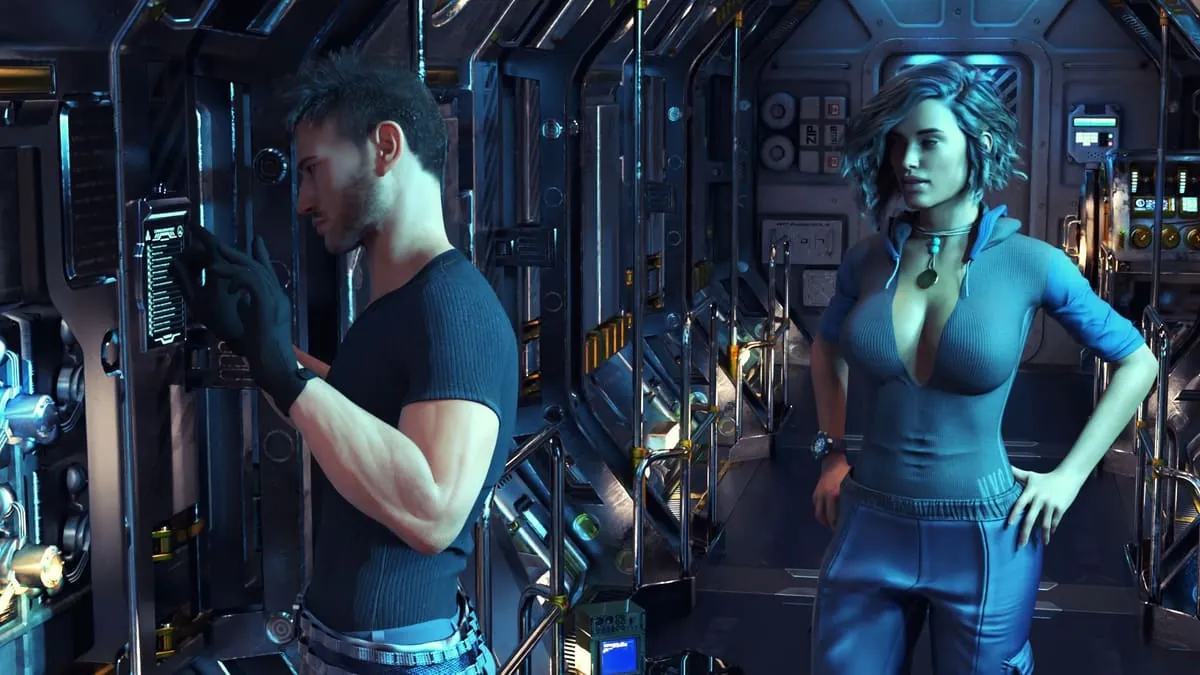
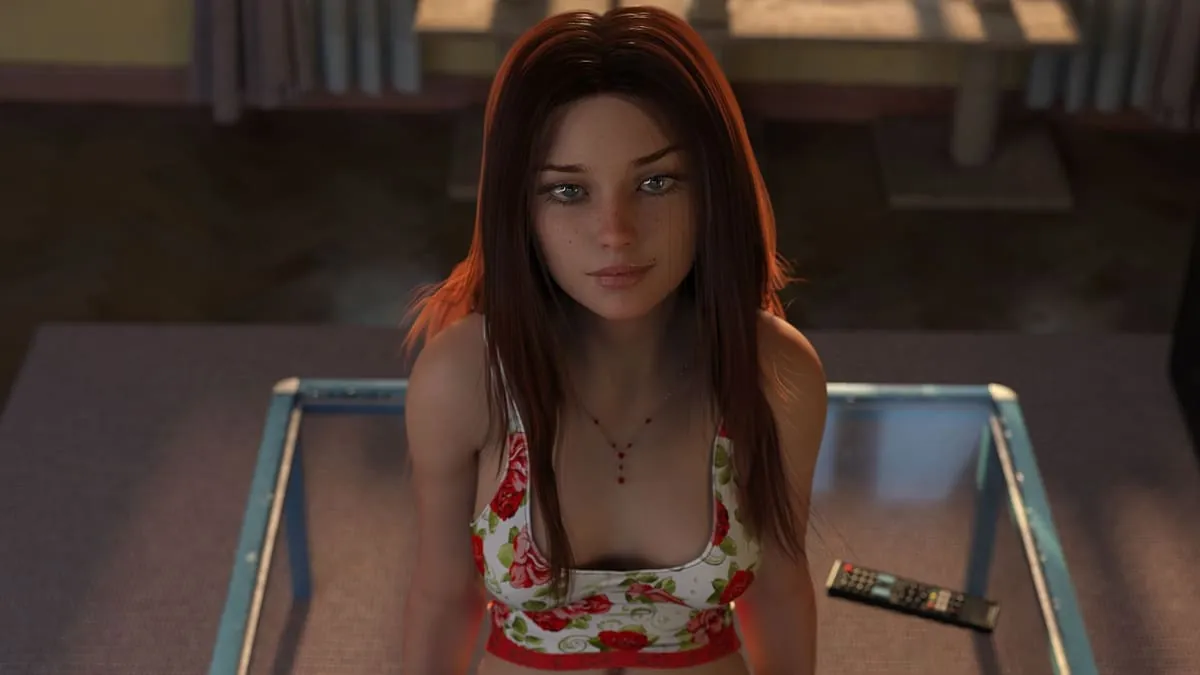
Stranded in Space Screenshots

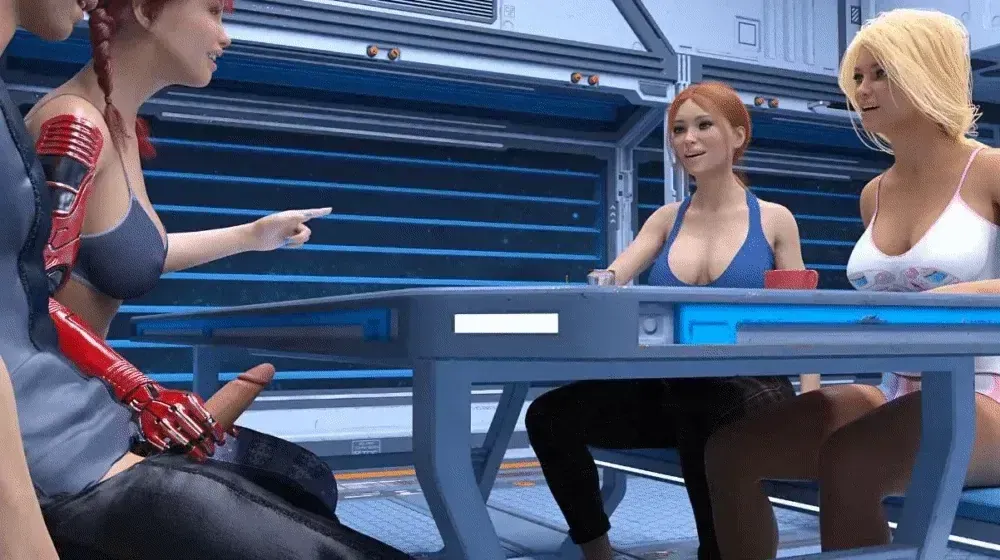
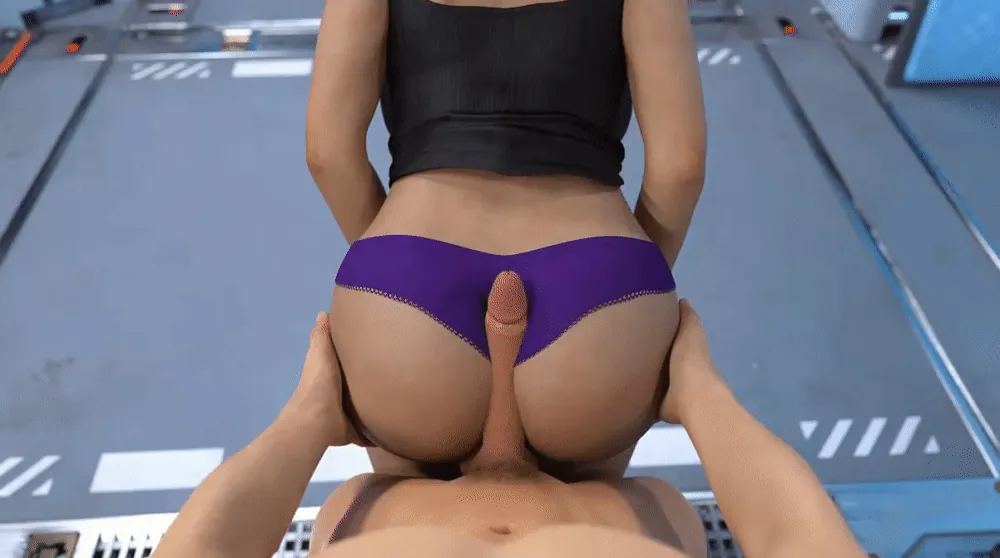


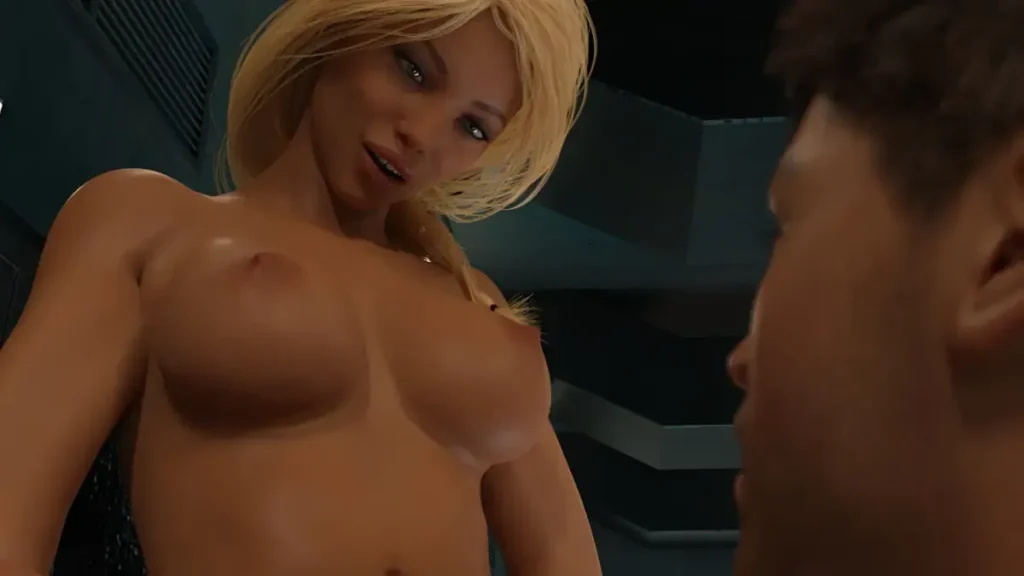
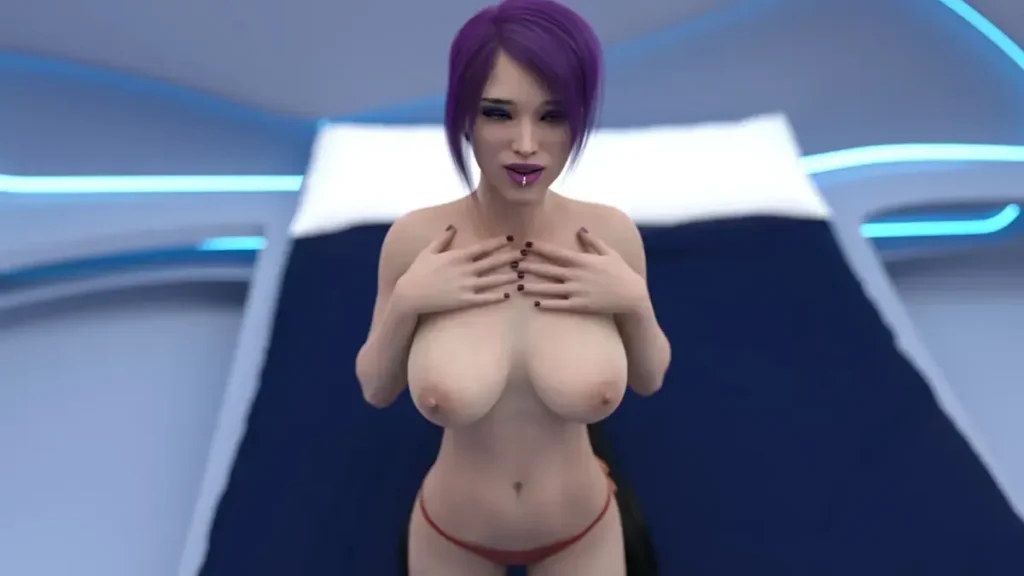
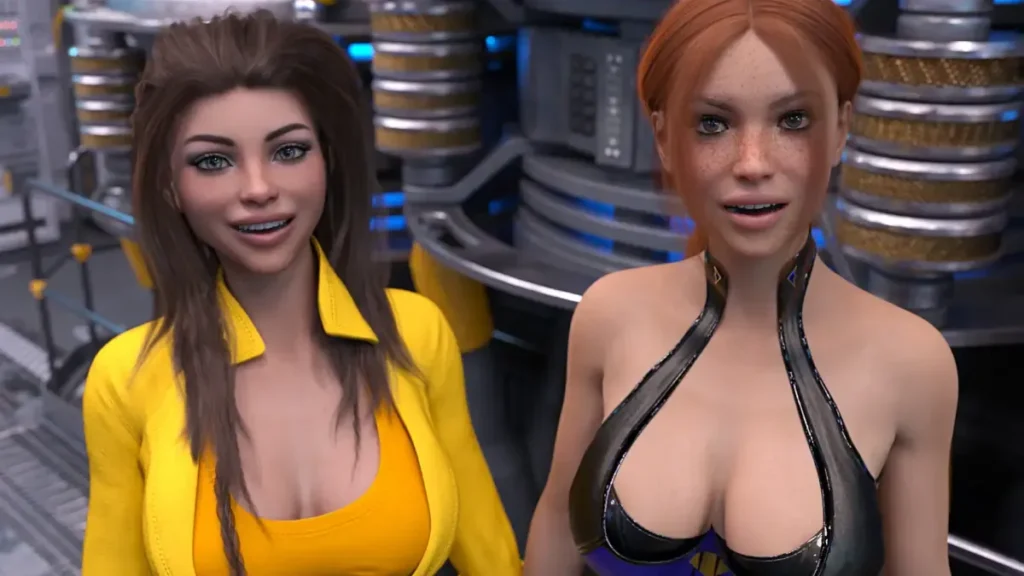

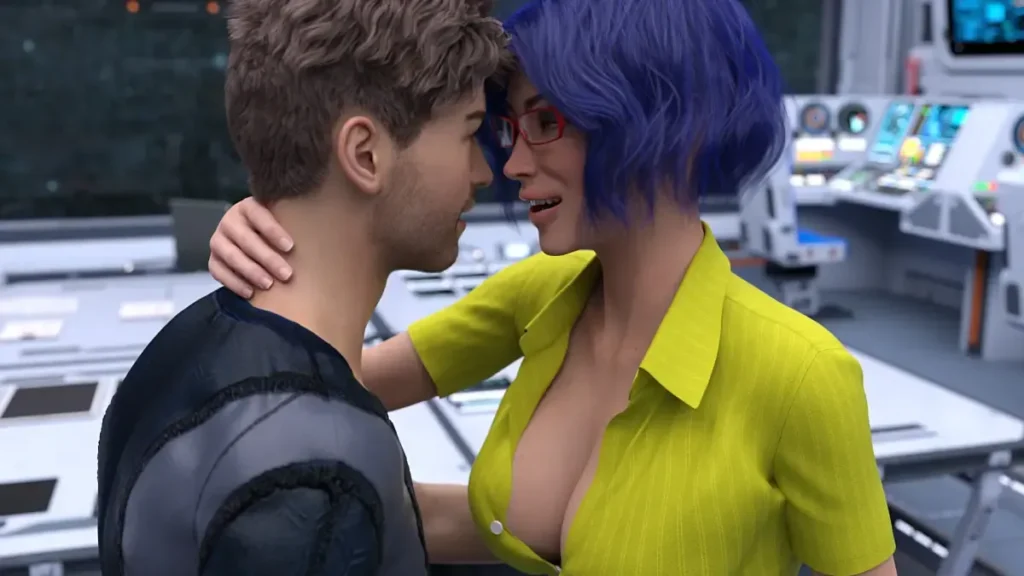
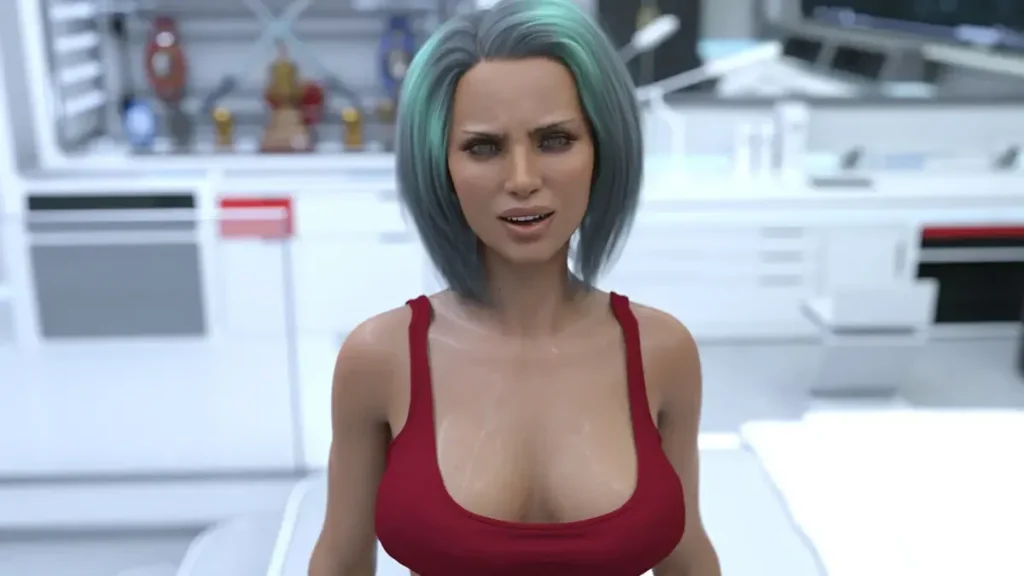

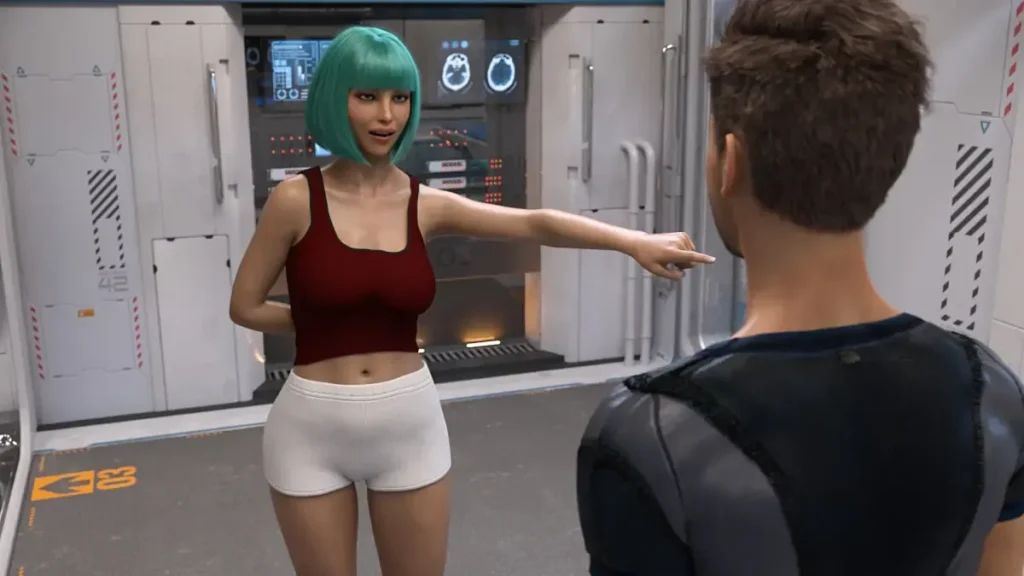

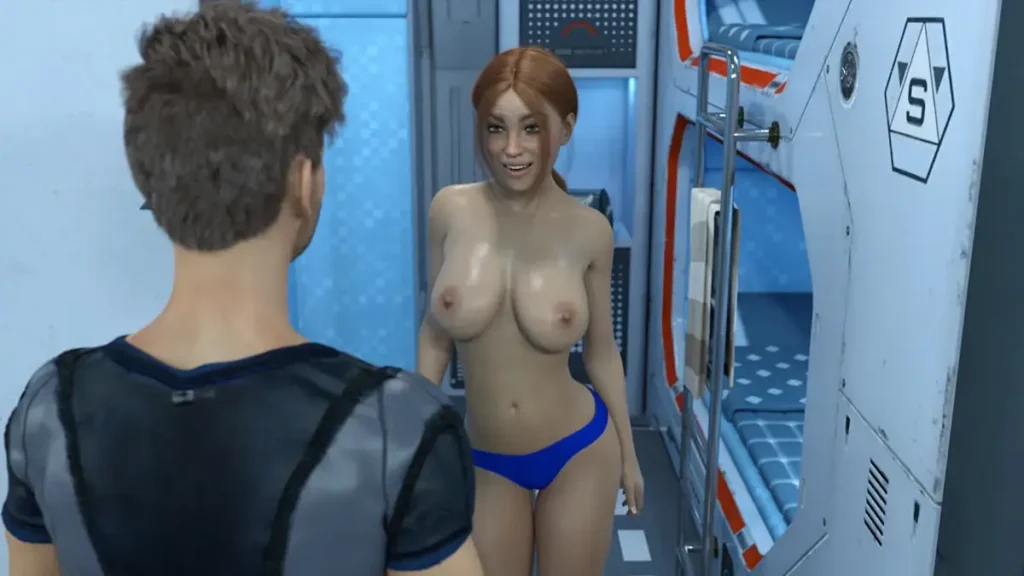

Stranded in Space review
Explore the sci-fi visual novel with 20+ characters, 400,000+ words, and immersive gameplay
Stranded in Space stands out as an ambitious sci-fi visual novel that combines narrative depth with interactive storytelling. The game places you aboard the Endurance, a spaceship filled with diverse characters, where your decisions shape relationships and uncover mysteries about your presence on the vessel. With over 400,000 words of content, 12,000 images, and more than 200 animations across 60+ scenes, this title offers substantial gameplay spanning 15-20 hours. Whether you’re drawn to character-driven narratives, relationship dynamics, or sci-fi settings, understanding what makes Stranded in Space unique helps you determine if it matches your gaming preferences.
Game Overview: What Makes Stranded in Space Unique
Picture this: you open your eyes to the sterile hum of machinery and the cold, recycled air of a spaceship corridor. The last thing you remember is… well, nothing. Absolutely nothing. Your name, your past, how you got here—it’s all a blank slate. This is the instantly gripping, slightly terrifying premise that greets you in Stranded in Space, a visual novel that grabs you by the collar from its very first line and doesn’t let go. 🚀
I’ve played my share of narrative games, but there’s something uniquely compelling about the mystery setup here. You’re not just a passenger on the Endurance; you’re an amnesiac variable in a delicate ecosystem of 20 other survivors, all hurtling toward a promised sanctuary called Elysium. The core question—”Who am I, and why am I here?”—is masterfully woven into every interaction and discovery. This isn’t just a setting; it’s an invitation to a deeply personal investigation where your interactive story decisions become the tools you use to dig for the truth.
Core Gameplay Mechanics and Story Setup
At its heart, the sci-fi visual novel gameplay of Stranded in Space is a masterclass in player agency. The game is built on a simple but profound principle: your choices don’t just change a line of dialogue or a character’s affection meter; they actively rewrite the narrative landscape you’re exploring. The major decisions you make open up completely new scenes and story content, while permanently closing off other paths. It’s a bold design that makes each playthrough feel distinct and truly yours.
The story setup is elegantly claustrophobic. You awaken on the Endurance, a generation ship with a failing memory—both yours and, it seems, the ship’s own. Your goal is dual: survive the immediate tensions and mysteries of life onboard while helping the crew reach Elysium. But this is where the character-driven narrative game truly shines. The ship is just a metal shell; the real story is the society within it. You’ll navigate complex social dynamics, uncover hidden agendas, and decide who to trust in a world where everyone has secrets, including you.
🎯 Pro Tip: Treat your first playthrough as a genuine exploration. Don’t reload saves to “fix” choices. The tension and consequence are what make this choice-based narrative game so special. Living with your decisions creates a far more memorable story.
Beyond the main narrative branches, the game is packed with clever systems that deepen the immersion:
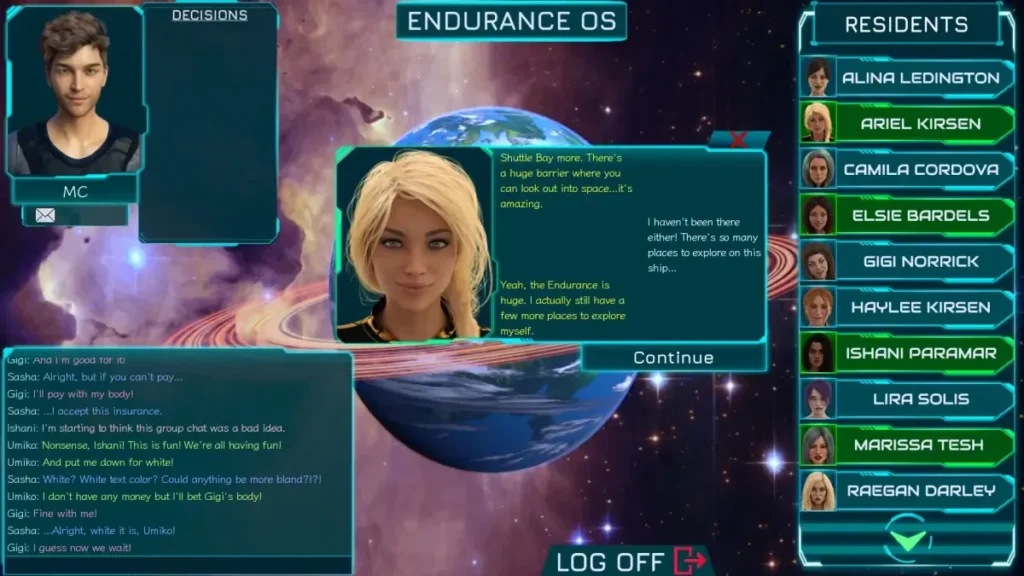
* The Laptop Chat System: Your in-game computer is a lifeline. Here, you can message other characters, building relationships in private conversations that feel wonderfully authentic. It’s not just for talk, though—it houses minigames and a picture collection mechanic, adding layers of side activity and reward.
* The Escape Room: Need a break from interstellar politics? The ship features a dedicated escape room filled with puzzles and unlockables. It’s a brilliant way to engage your puzzle-solving muscles and uncover extra lore.
* The Evolving Story: It’s important to note the game is a living project. The current experience covers “Day 18” of the journey, with the full version planned to span 21 days. This means you’re exploring a vast, but still expanding, universe.
Key Features That Set It Apart:
* Meaningful Narrative Branches: Choices create entirely different scenes, not just different dialogue.
* Deep Social Simulation: The laptop chat system makes relationships feel dynamic and personal.
* Varied Gameplay: Blend story with puzzles and collection via the escape room and minigames.
* A Living World: With a defined roadmap to Day 21, the journey and its mysteries are continually evolving.
Character Roster and Narrative Depth
If the ship is the stage, the characters are the award-winning ensemble cast that makes the performance unforgettable. Throwing around a phrase like visual novel with 20+ characters might sound like a quantity-over-quality boast, but Stranded in Space flips that notion on its head. This isn’t a crowd of background extras. Each character, from the authoritative captain to the reticent engineer, is crafted with individual motivations, backstories, and personalities that feel startlingly real. 👥
You don’t just “meet” characters; you unravel them. Through your interactive story decisions, you choose who to ally with, who to question, and who to potentially romance. These relationships are the engine of the plot. Helping a crewmate with a personal crisis might grant you a crucial ally later, while suspicion and conflict can close doors—sometimes literally. The narrative depth comes from how these individual stories intersect and collide, creating a web of intrigue that you are placed squarely at the center of.
The genius of this character-driven narrative game is that your amnesia is the perfect lens. Since you know nothing, every revelation about a character—a past trauma, a hidden skill, a secret objective—feels like a discovery for you both. You learn about the world of the Endurance through their eyes, making the process of building trust (or sowing discord) intensely engaging. You’re not just picking dialogue options; you’re shaping your identity within this fragile community.
Technical Features and Content Scale
Let’s talk numbers, because the scale of Stranded in Space is, in a word, staggering. While many indie projects promise a rich story, this game delivers a tangible, monumental piece of fiction. We’re talking about a script that rivals epic fantasy novels, brought to life with a wealth of visual assets. This immense scope directly fuels the sci-fi visual novel gameplay, ensuring that every branch of the story feels fleshed out and visually distinct.
The commitment to production value is clear. Every scene is meticulously crafted to sell the reality of life aboard a sprawling starship, making the Endurance spaceship game experience deeply immersive.
| Content Metric | Scale |
|---|---|
| Word Count | 400,000+ words |
| Static Images | 12,000+ images |
| Animations | 200+ animations |
| Key Scenes | 60+ scenes |
| Average Playtime | 15-20 hours (per route) |
| Character Roster | 20+ characters |
| Current Story Progress | Day 18 of 21 planned |
These aren’t just big numbers for bragging rights. They translate to a tangible sense of depth and replayability. The 400,000+ words mean conversations can breathe, allowing for nuanced character development that most games gloss over. The thousands of images and hundreds of animations ensure that the visual presentation is dynamic, shifting with the tone of each scene—from tense engineering bay confrontations to quiet, reflective moments in the observation deck.
This massive scale is what supports the game’s bold choice-based narrative game philosophy. With so much content created, the developers can afford to lock away significant story portions based on your decisions, making the promise of “your unique story” a concrete reality. It encourages you to play again, not just to see a different ending slide, but to experience wholly different character arcs, mysteries, and moments. You’re not replaying a story; you’re discovering a parallel one that was there all along, waiting for the right choices to unlock it.
Ultimately, what makes Stranded in Space unique is its confident focus. It dedicates its considerable technical resources and narrative ambition entirely to one goal: making you feel like the central, consequential figure in a sprawling sci-fi epic. It proves that a visual novel with 20+ characters can treat each one with care, and that interactive story decisions can carry real weight. If you’re looking for a passive story, this isn’t it. But if you want to lose yourself in the mysteries of the Endurance, to build bonds and uncover truths that feel earned, then this is your next destination. The vastness of space has never felt so personal. 🌌
Stranded in Space represents an ambitious entry in the visual novel genre, offering substantial narrative content with meaningful character development and player agency. The game’s 400,000+ words, 20+ characters, and branching decision system create a rich experience for players seeking story-driven gameplay with relationship-building mechanics. While the minigame and puzzle systems present complexity that some players find challenging, the core narrative experience and character depth resonate strongly with the community. With 15-20 hours of gameplay across 21 days and multiple routes determined by your choices, the game rewards engagement and replay value. Whether you’re drawn to sci-fi settings, character-focused narratives, or interactive storytelling, Stranded in Space delivers substantial content that emphasizes depth over throwaway elements. Consider your preferences for puzzle complexity and dialogue-heavy gameplay when deciding if this title matches your gaming interests.