The Theater of Sinners
Play The Theater of Sinners
The Theater of Sinners Screenshots
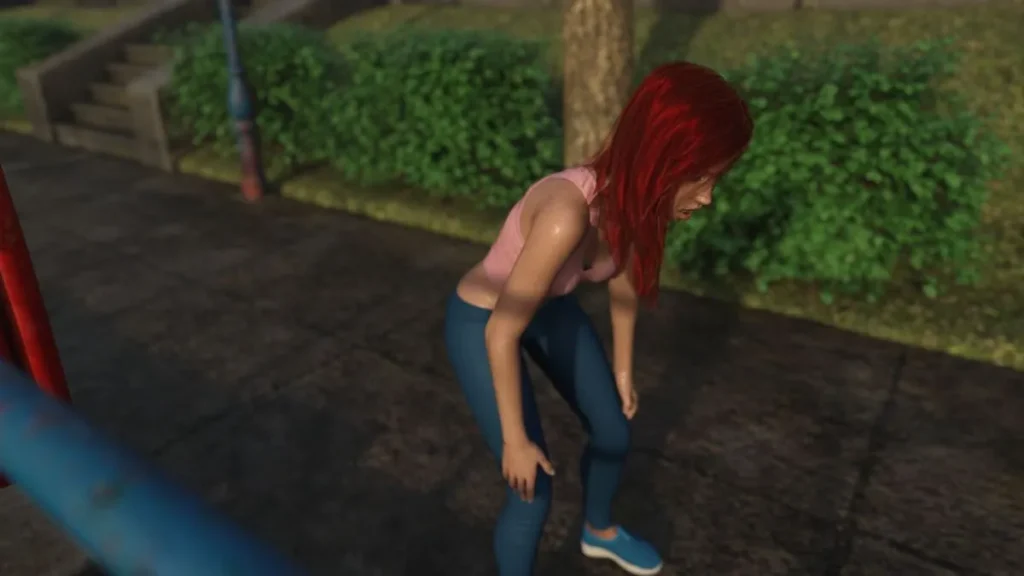
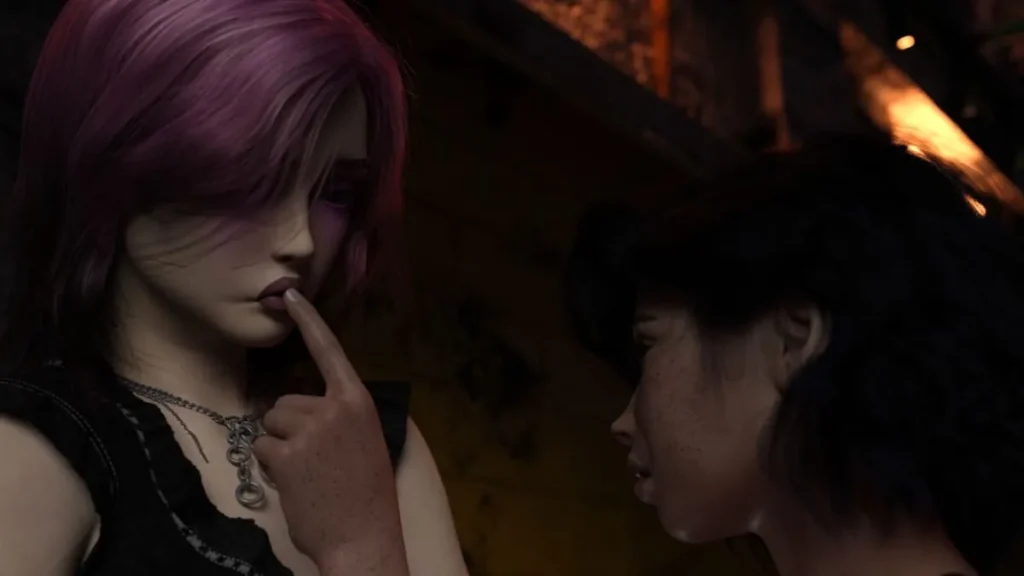
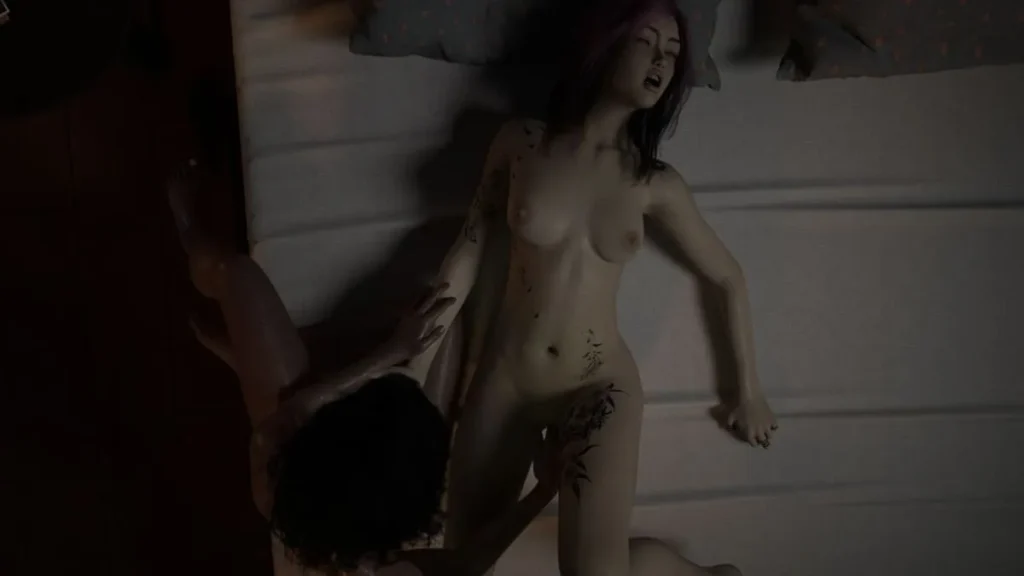
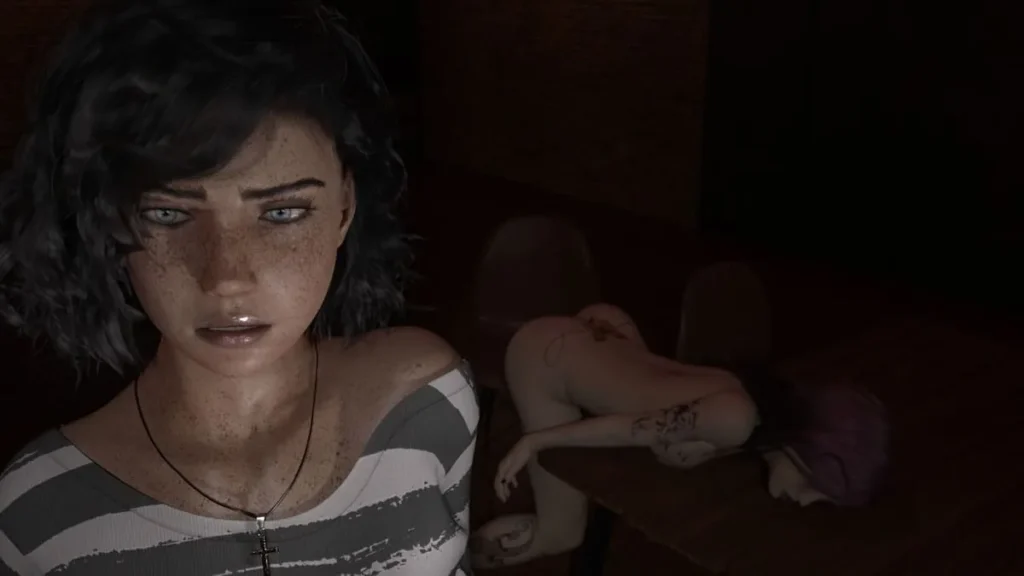


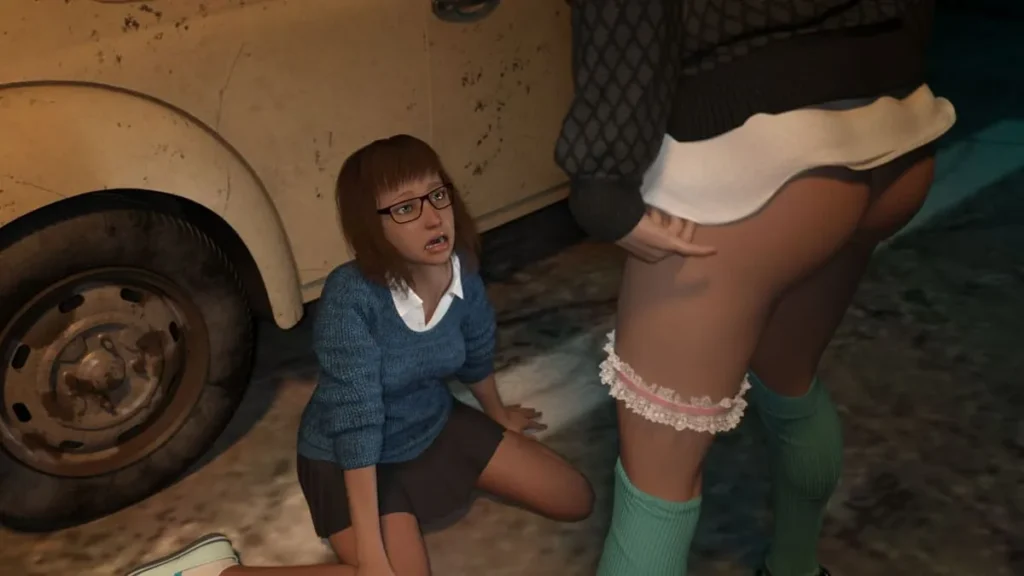
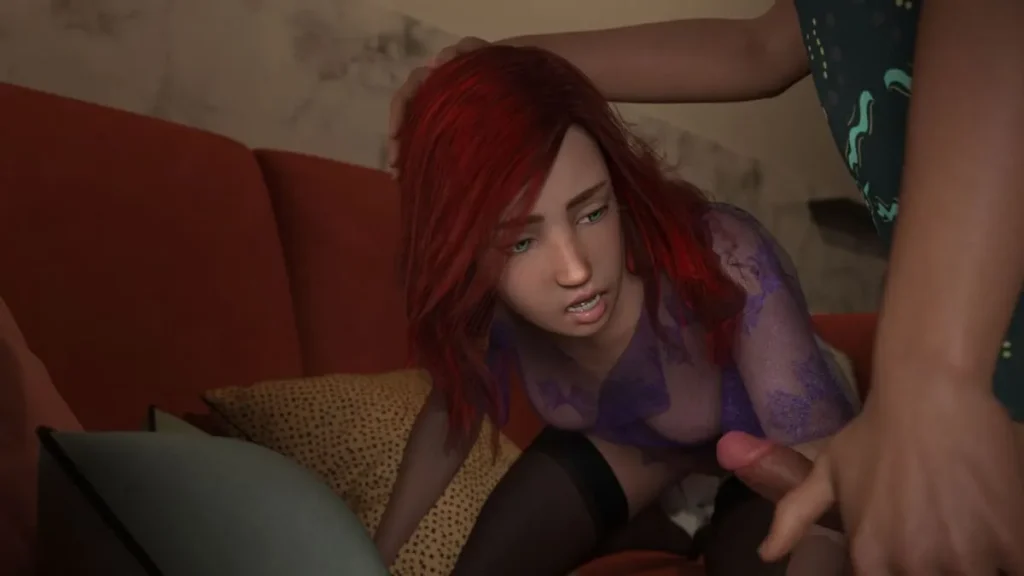
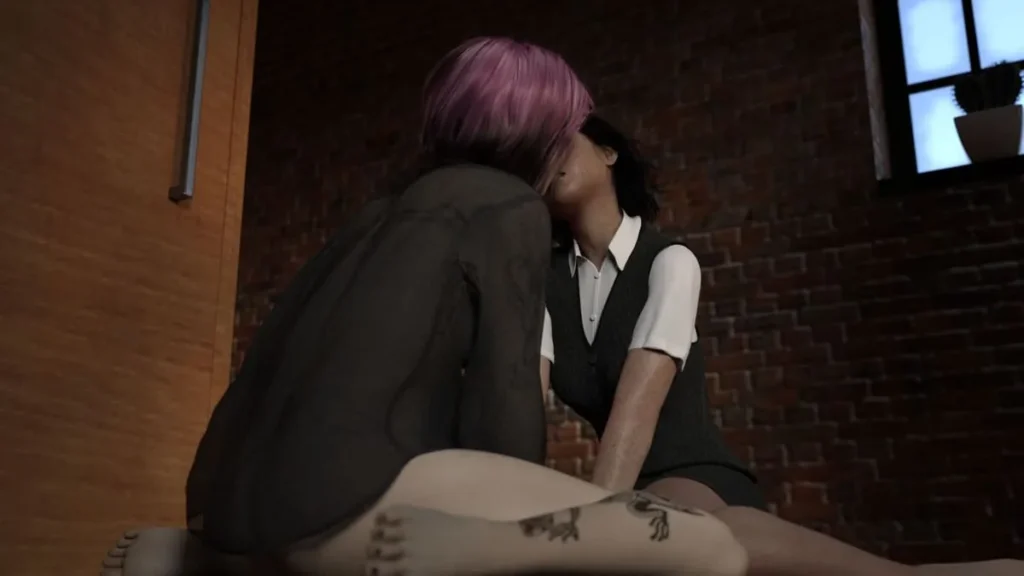
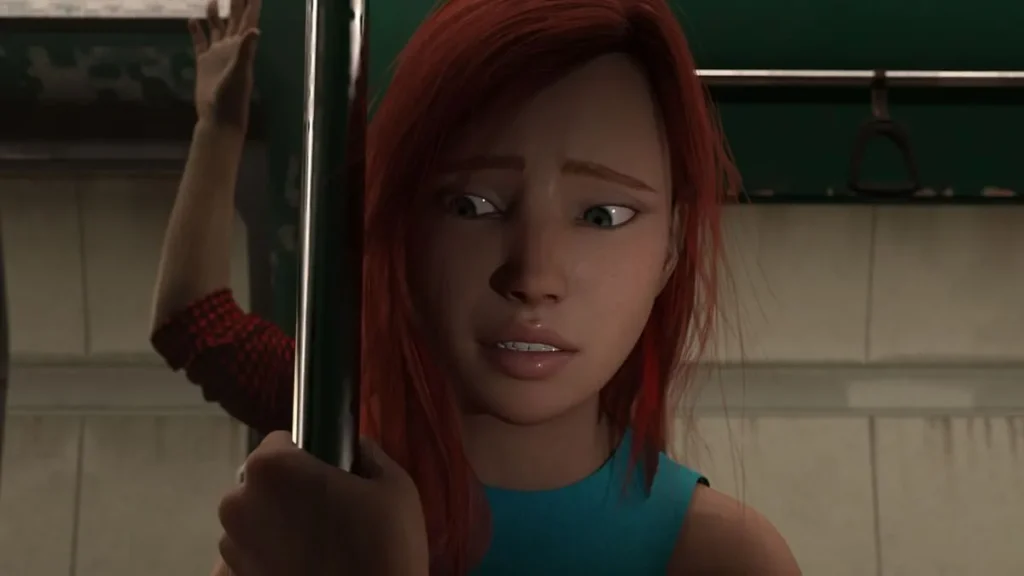
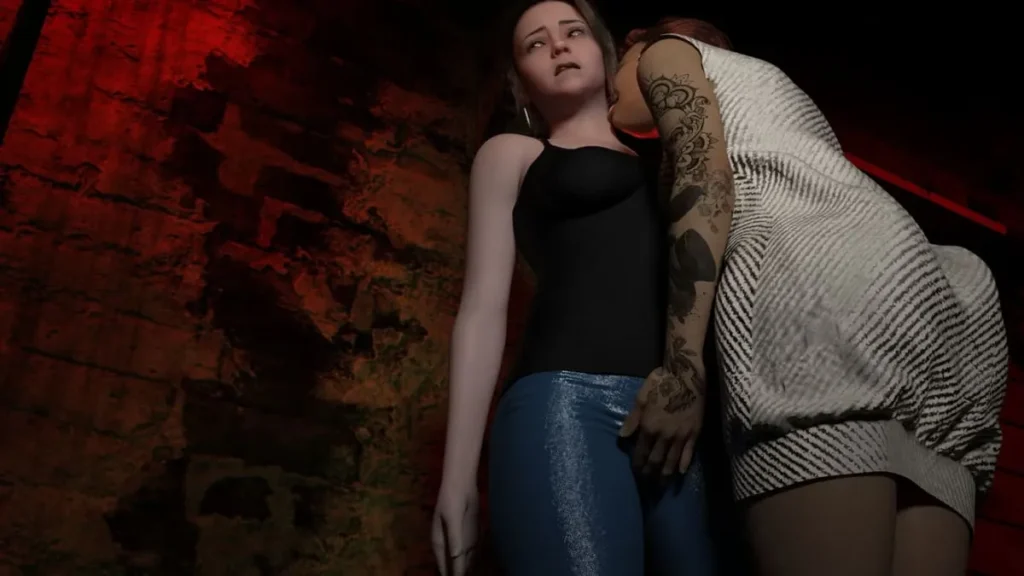
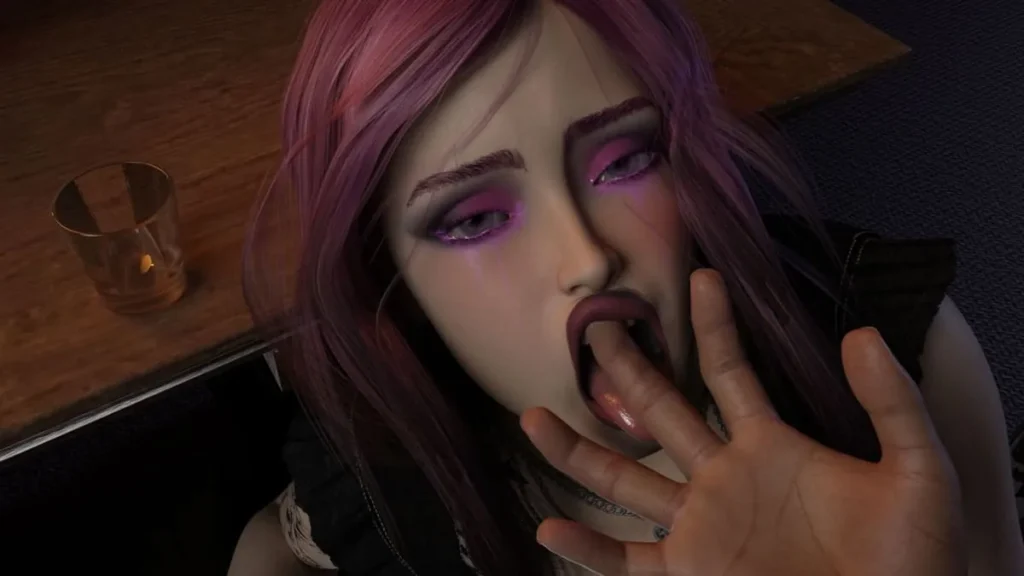
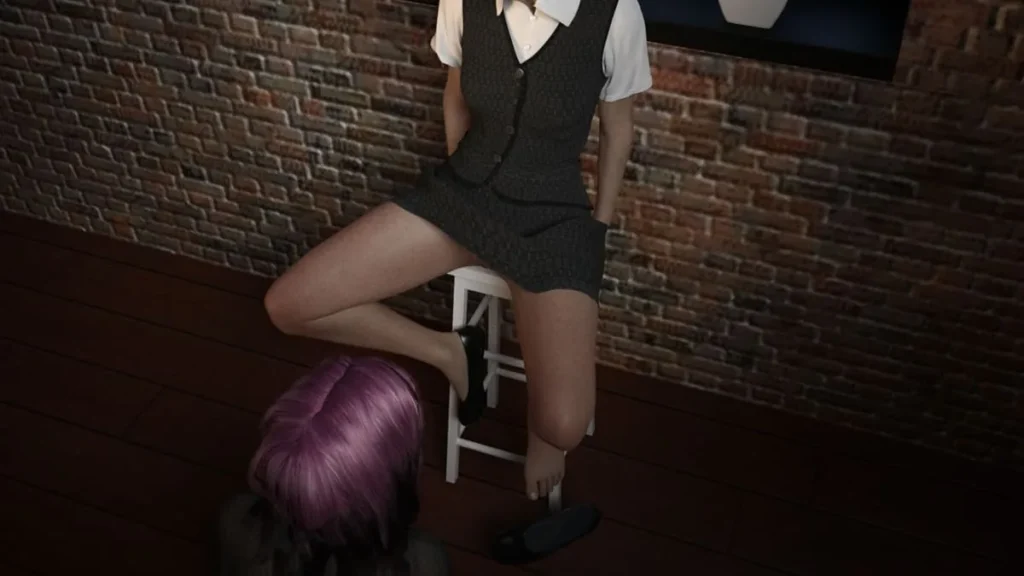
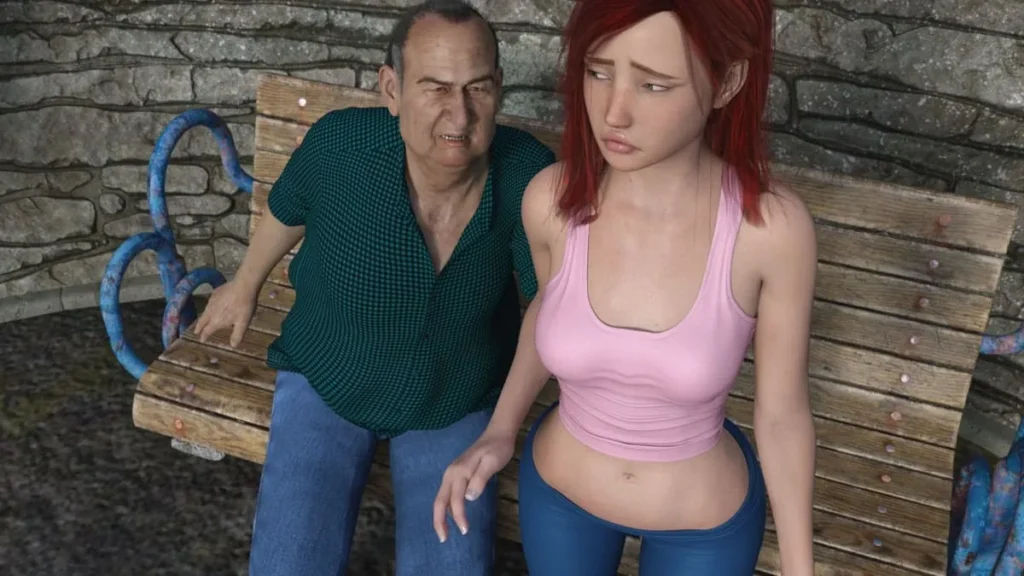
The Theater of Sinners review
Dive into the twisted tales of humiliation and choice in this gripping Ren’Py game
Imagine stumbling into a shadowy theater where every curtain hides a sin, and your choices script the darkest fantasies. That’s The Theater of Sinners, the Ren’Py visual novel by JustXThings that’s captivating players with its raw exploration of humiliation, corruption, and blurred morals. Version 0.3 Alpha 1 thrusts you into the lives of protagonists like Paula and Rebecca, navigating abuse, BDSM dynamics, and psychological horror. I first loaded it up late one night, expecting quick thrills, but got hooked by the branching narratives that made me question every decision. If you’re into decision-driven stories blending fantasy horror with explicit encounters, this guide unpacks everything from Theater of Sinners storyline to gameplay tips, helping you dive deeper.
What Makes The Theater of Sinners Unmissable?
I was scrolling through itch.io one rainy afternoon, looking for something with more bite than the usual offerings, when a stark, evocative title caught my eye: The Theater of Sinners. The description promised a world of difficult choices and darker desires, and I’ll admit, I was skeptical. Another adult game trying to shock? But something about the screenshots—the haunting art, the intense character expressions—made me click download. Hours later, I found myself completely absorbed, my mouse hovering over choices that felt unnervingly heavy. This wasn’t just a game; it was an experience that crawled under my skin and made a home there. So, what exactly is The Theater of Sinners, and why does it command such attention? Let’s pull back the velvet curtain. 🎭
Unraveling the Core Premise and Setting
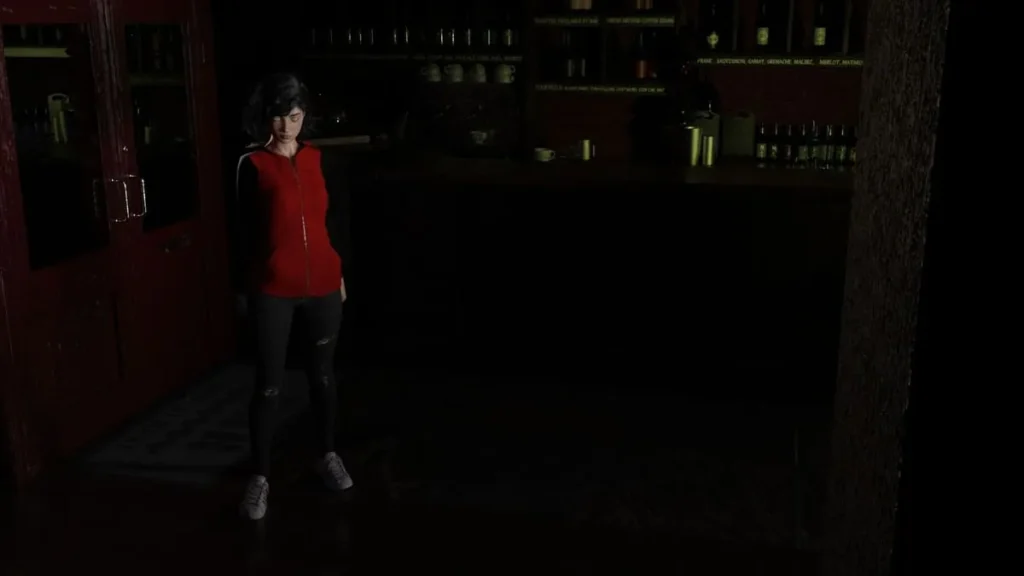
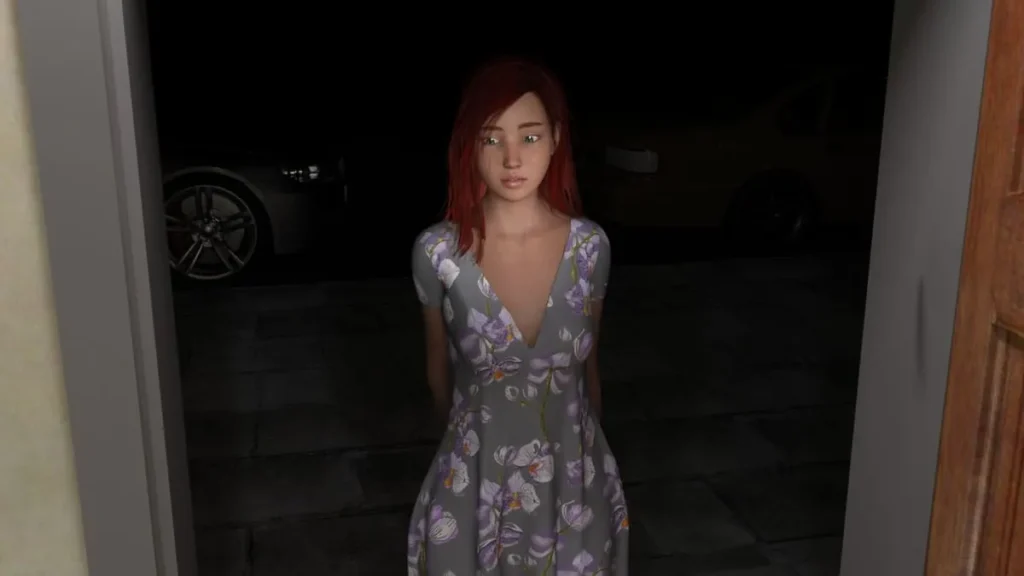
At its heart, what is The Theater of Sinners? It’s a decision-based Ren’Py visual novel that masterfully intertwines the stories of four protagonists, each trapped in their own personal hell, whose paths converge in a place of shadow and spectacle. You’ll meet Paula, the daughter of a powerful political figure, whose life of privilege is a gilded cage shattered by delinquents who push her toward deviance. Then there’s Rebecca, who endures a grim existence under the thumb of an addict mother and a violently abusive stepfather. Their stories, and those of the others, are raw, unflinching portraits of people on the brink.
The beating heart of this Theater of Sinners storyline is the Grand Théâtre des Ombres (The Grand Theater of Shadows). This isn’t just a location; it’s a character in itself. A secretive, almost supernatural arena where fantasies are staged, ambitions are gambled, and a twisted form of redemption or damnation is offered. It’s a place where the audience revels in the performances, and the lines between actor, victim, and perpetrator blur into nothingness. The developer’s vision is crystal clear in a quote that perfectly frames the journey:
‘This is a story of humiliation, corruption and brutality in a world where morals are grey.’
This Theater of Sinners premise rejects simple black-and-white morality. You’re not playing a hero destined to save the day. You’re navigating a murky swamp of human psychology, where every choice to resist or submit, to fight back or surrender, carries profound weight. The game is currently in development (Version 0.3 Alpha 1), freely available on Windows, macOS, Linux, and Android, proving that powerhouse narratives don’t need a price tag.
Why the Psychological Horror Hooks You In
Forget jump scares and monsters in closets. The Theater of Sinners earns its title as a psychological horror game by meticulously dismantling its characters—and by extension, you, the player—from the inside out. The terror doesn’t come from something external; it blooms from the slow corruption of hope, the agonizing weight of guilt, and the terrifying realization of what one might be capable of enduring or inflicting to survive.
The atmospheric dread is palpable. The art style uses deep shadows and evocative lighting to make every scene feel intimate and oppressive. The soundtrack is a subtle, haunting companion that never tells you how to feel, but invariably makes you feel more. This is a character-driven plot where the horror is personal. Through non-linear flashbacks, you piece together the traumas that forged each character, understanding why they might be drawn to—or destroyed by—the Theater’s promises.
While supernatural elements whisper at the edges of the narrative, the true horror remains resolutely human. It’s the cycle of abuse, the Stockholm syndrome, the desperate search for agency in a world that has systematically stolen it. This Theater of Sinners game forces you to sit with discomfort, to question motivations, and to invest in lives that are beautifully, tragically broken.
The game explores its dark themes through several core lenses:
- Humiliation & Corruption: Watching Paula’s calculated social downfall or Rebecca’s forced compromises isn’t just about shock value; it’s a study in how the self erodes under pressure.
- Moral Ambiguity: There are rarely “good” choices, only less damaging ones. Should you sacrifice your dignity to protect someone else? Is revenge worth becoming a monster?
- BDSM & Power Dynamics: These elements are framed not just as kink, but as a language of control, surrender, and sometimes, a warped reclaiming of power within the Theater’s strict rules.
- The Cycle of Abuse: The storyline meticulously examines how violence and manipulation beget more of the same, trapping characters in patterns that feel inescapable.
Player Choices That Reshape Everything
This is where The Theater of Sinners truly shines and separates itself from passive storytelling. As a Ren’Py visual novel, its engine is built for branching paths, and the developers have leveraged this to create a narrative web that is deeply responsive. You aren’t just picking dialogue options; you are directing the emotional and psychological state of the characters through a subtle stat-raising system.
Your choices influence hidden attributes like Willpower, Despair, Submission, and Cunning. These stats don’t just change an ending slide; they alter immediate scenes, unlock or lock entire story branches, and redefine character relationships in real-time. A single decision to stand your ground in one chapter might give you the crucial strength to resist a much more damaging situation later. Conversely, a moment of calculated surrender could open a door to a different kind of power or alliance.
Actionable Advice: On your first playthrough, don’t try to “win.” Pick the choices that feel right for the character you’re inhabiting. Savor the dialogue—the writing is exceptional, with layered implications hiding in seemingly casual lines. For better outcomes in specific arcs, focus your choices consistently to build the relevant stat. Want a character to fight their way out? Bolster Willpower and Cunning at every opportunity.
To help you keep track of the complex web you’re weaving, here’s a look at the core cast and the themes that define their journeys:
| Character | Central Conflict | Key Themes in Their Arc |
|---|---|---|
| Paula | Privilege vs. Powerlessness | Social humiliation, political corruption, loss of control |
| Rebecca | Survival vs. Self-Worth | Domestic abuse, forced encounters, seeking agency |
| Other Protagonists | Varies by Storyline | Voyeurism, exhibitionism, guilt, supernatural temptation |
The Theater of Sinners storyline is designed for multiple playthroughs. My first time through, I made what I thought was a minor, pragmatic choice with Rebecca—a small compliance to avoid a worse confrontation. I didn’t realize I was subtly increasing her Submission stat. Hours later, that “minor” choice had fundamentally reshaped her relationship with another character, leading to an unexpected, uneasy alliance that completely altered the course of her narrative. It was a breathtaking moment that proved my choices weren’t just illusory; they were the very bricks building each character’s path.
Here’s the technical snapshot of the current build:
| Platform | Version | Status |
|---|---|---|
| Windows, macOS, Linux, Android | 0.3 Alpha 1 | Free Download (In Development) |
Ultimately, to ask what is The Theater of Sinners is to ask for a map to a labyrinth of the human condition. It’s a psychological horror game that uses its mature content not as a crutch, but as a narrative tool to explore depth, consequence, and trauma. The stunning art and phenomenal writing make these characters feel devastatingly real, making your investment in their fractured lives deeply worthwhile. It’s a challenging, thought-provoking journey into a theater where we are all both the audience and the performer, constantly questioning what we would do to survive, to feel, or to simply be seen. If you’re ready for a visual novel that doesn’t just tell a story but makes you live its consequences, your seat in the Grand Théâtre des Ombres is waiting. 🖤
The Theater of Sinners stands out as a masterful blend of dark narrative, player agency, and unflinching exploration of human flaws, pulling you into Paula and Rebecca’s worlds like few games do. From my endless replays tweaking choices for new branches, it’s clear this Ren’Py gem rewards patience with shocking twists and emotional depth. Whether you’re chasing the thrill of corruption paths or seeking glimmers of redemption, it delivers. Grab version 0.3 Alpha 1 from itch.io today, dive in, and let your decisions light the stage—share your wildest outcomes in the comments below!