Unnatural Instinct
Play Unnatural Instinct
Unnatural Instinct Screenshots


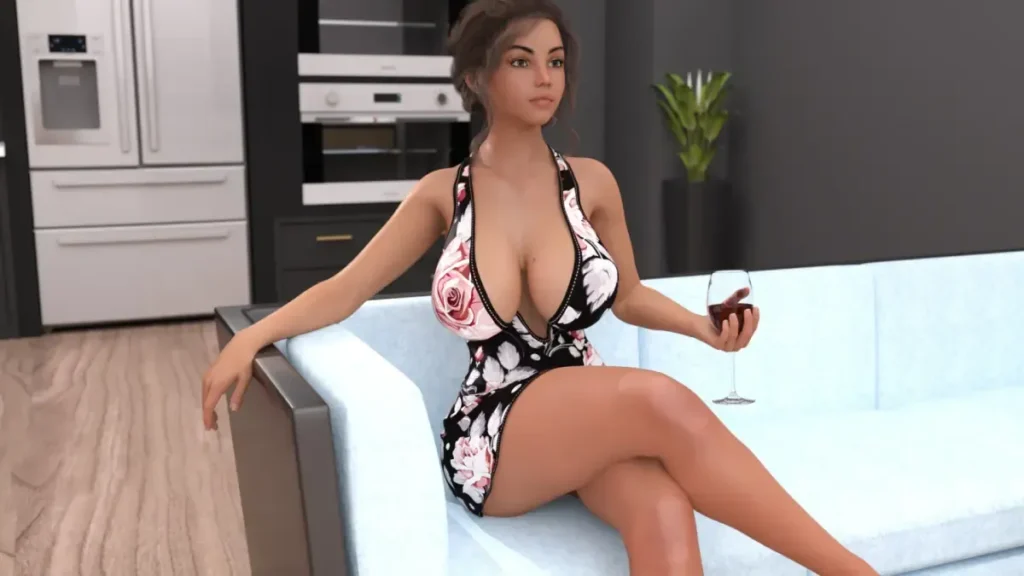
Unnatural Instinct review
Dive into Bold Storytelling and Immersive Routes in This Furry Visual Novel
Ever stumbled upon a game that grips you with its raw, cinematic visuals and weaves personal healing into a thrilling narrative? That’s Unnatural Instinct for you—a standout furry visual novel that blends sharp prose, plausible intimate scenes, and deep character growth. I remember my first playthrough; the way food details grounded the world made every choice feel real, pulling me into Erik’s journey of violence, romance, and self-discovery. If you’re hunting for bold interactive fiction with multiple routes and phallic symbolism that hits hard, this guide uncovers everything from mechanics to hidden depths. Let’s explore why Unnatural Instinct redefines adult gaming.
What Makes Unnatural Instinct a Must-Play Visual Novel?
I remember the exact moment I knew Unnatural Instinct was something different. It was one of those late-night sessions where you’re just clicking through, half-asleep, and then BAM—a scene loads that makes you sit bolt upright. It wasn’t just a character portrait against a background; it was a full-frame, cinematic shot of Erik, the lynx, silhouetted against a rain-slicked city alley, the neon signs bleeding color into the puddles. The detail in his fur, the tension in his posture, the sheer mood of it… my tired brain just short-circuited. 😮 I wasn’t just looking at a game asset; I was being pulled into a scene from a film. That’s the power of Unnatural Instinct visual novel from the very first click. It doesn’t just tell you a story; it dares you to live inside one, with all its grit, passion, and unsettling beauty.
So, what is Unnatural Instinct game, really? On paper, it’s a supernatural thriller set in a rain-drenched metropolis, where your character, a human with a past they can’t outrun, gets tangled with a cast of compelling, dangerous anthropomorphic figures. But that description sells it short. This is a masterclass in bold storytelling and interactive atmosphere. It’s a furry visual novel review favorite not for following a safe formula, but for dismantling it and building something more visceral in its place. Let’s break down exactly why this title is, without question, one of the best furry games 2026 has to offer.
How Does the Cinematic Art and Prose Captivate Players?
The first thing that hits you is the sheer volume and quality of the art. We’re not talking about a handful of sprites with different expressions. Unnatural Instinct boasts a staggering library of cinematic furry art—unique illustrations for pivotal moments, action sequences, and quiet interactions. This commitment means the visual tone shifts perfectly with the narrative. A tense conversation in a dimly-lit bar has its own specific lighting and angle, making you feel the claustrophobia. A chase across rooftops is rendered with dynamic, almost storyboard-like frames that make your heart race.
But it’s the marriage of this art with the prose that creates true magic. The writing is sharp, evocative, and deeply physical. It doesn’t just say “Erik was angry.” It describes the way his ears flatten against his skull, the low growl that seems to vibrate from the page, the calculated looseness in his shoulders that precedes violence. The action flows with a brutal, plausible grace. When a fight happens, you understand the weight of a body hitting concrete, the clumsy desperation of a struggle. This extends to every aspect of Unnatural Instinct gameplay.
The game describes a punch not as a heroic strike, but as the “sickening, wet crunch of cartilage giving way,” followed by the immediate, nauseating throb in your own character’s knuckles. It makes you wince. It makes it real.
This approach is applied unflinchingly to both violence and intimacy. These scenes are described with a raw, logistical honesty that complements the game’s tone perfectly. There’s no flowery abstraction. Instead, you get the awkward bump of noses, the practical shift of weight, the sharp intake of breath—a focus on the tangible experience that grounds even the most intense moments in a powerful sense of reality. It removes the fantasy veil and replaces it with something far more immersive: consequence and sensation.
Why Do Multiple Routes Keep You Coming Back?
Ah, the routes. If you’ve spent time in visual novels, you might approach multiple paths with a hint of skepticism. 🧐 Are they just slight variations on a theme? With Unnatural Instinct routes, the answer is a resounding no. While they all spring from the same explosive central incident, they pull the narrative in wildly divergent directions, exploring different facets of the city’s underworld and your own protagonist’s crumbling humanity.
Each route feels like a distinct genre lens on the same world. One path might be a tense, detective-style conspiracy thriller. Another dives deep into the brutal pack politics of the city’s shadier districts. Another becomes a deeply personal, almost Gothic story of obsession and transformation. The choices you make don’t just change who you end up with; they fundamentally alter the kind of story you are experiencing, the threats you face, and the pieces of the overarching mystery you uncover.
To give you a clear picture of how these paths compare and contrast, here’s a breakdown:
| Route Name | Key Divergence | Unique Intimate Scene Highlight | Emotional Payoff |
|---|---|---|---|
| Erik | Becoming an insider in a tactical, professional crew. Focus on trust and earned loyalty. | A moment of vulnerability after a mission, sharing first-aid in a safehouse, emphasizing care over passion. | Quiet, hard-worn trust; finding a solid anchor in a world coming apart. |
| Kai | Plunging into the chaotic, pack-driven street politics of the city’s fringe districts. | A possessive, adrenaline-fueled encounter against the chain-link of a rooftop, blurring lines of danger and desire. | Raw, consuming passion; learning to survive a different kind of jungle. |
| Leo | Unraveling a high-society conspiracy where the monsters wear suits. | A tension-filled dance of power and surrender in a lavishly appointed study, every gesture a negotiation. | Complex, cerebral connection; mastering a game of psychological shadows. |
| Similarities | All routes begin with the protagonist’s latent supernatural instinct being triggered by a traumatic event. The core mystery of “The Howl” cult is a background element in each. | A focus on physical logistics and sensory detail grounds every scene. The protagonist’s changing physicality is a constant thread. | Each route forces the protagonist to confront what they are becoming and choose what part of their humanity to cling to. |
This structure is genius. It means your second or third playthrough isn’t a retread; it’s a fresh adventure with new stakes. You’ll see characters you met in one route appear in completely different, sometimes shocking roles in another. It makes the world feel vast, interconnected, and alive with possibilities beyond your current story. This is the heart of Unnatural Instinct gameplay at its best—your choices truly carve unique paths through a living world.
What Role Does Physicality Play in the Storytelling?
This might be the game’s most brilliant and subtle triumph. Unnatural Instinct is obsessed with the material reality of its world. It understands that immersion isn’t just about grand plots and pretty art; it’s built on a thousand tiny, tangible details that make the fictional space feel inhabited. The storytelling has a profound sense of physicality that goes far beyond fight scenes.
The game constantly reminds you that characters are physical beings in a physical world. They get tired, they ache, they crave specific foods, and they react to their environment. This isn’t just flavor text; it’s foundational to character and tone. That terrifying scene I promised I’d share? It wasn’t a jump-scare monster reveal. It was a quiet moment where my character, alone and paranoid after a narrow escape, tried to eat a cold takeout meal. The prose focused on the congealed grease, the limp vegetables, the way the cheap fork felt in their trembling hand. The sheer, depressing reality of that moment, the contrast with the supernatural horror lurking outside the window, was more unsettling than any monster. It grounded the fear in something deeply human: the loss of simple comfort.
This attention to the physical seeps into every system and description:
* Food as Character: What a character chooses to eat (or can afford to eat) tells you volumes. A shared meal of cheap noodles builds camaraderie, while a character dismissively eating expensive sushi alone speaks to their isolation and privilege.
* The Weight of Tools: A gun isn’t just a weapon; it’s a heavy, cold object with a specific draw weight. The process of loading it, checking the safety, and the tangible kickback are all described, making its use feel consequential.
* The Body as a Map: Scars, old injuries, and the specific way a character moves (a feline grace, a bear’s heavy tread) are consistent and meaningful parts of their identity.
* The Logistics of Intimacy: The narrative never shies away from the awkward, sweet, or practical moments before and after—the fumble for clothes, the shared shower, the quiet conversation in the dark. This builds intimacy far more effectively than any purple prose.
* Environmental Wear and Tear: Clothes get dirty and torn, safehouses feel lived-in and sometimes unclean, and the perpetual rain of the city is a constant, damp presence you can almost feel.
This relentless focus creates a powerful narrative proximity between violence and sexuality. Both are presented as intense, physical, and transformative acts that leave marks on the body and psyche. They are two sides of the same coin of raw experience, and this duality is key to foreshadowing the protagonist’s own gradual transformation. You start to feel the changes in them not through grand declarations, but through their new awareness of scents, their reactions to sounds, and the unfamiliar instincts coiling in their muscles.
So, where should a first-timer start? 🎯
After experiencing all the Unnatural Instinct routes, my definitive, actionable advice is this: Begin with Erik’s path. His route provides the most balanced and classic introduction to the world, the core mystery, and the rules of engagement. It builds the foundation of trust and crew dynamics that makes the divergences in other routes so impactful by contrast. It’s the perfect narrative anchor before you dive into the more chaotic or cerebral journeys of Kai and Leo.
In the end, Unnatural Instinct is more than a checklist of features. It’s a cohesive, atmospheric plunge into a world that feels startlingly present. From its cinematic furry art that stuns you late at night to its prose that makes you feel every bruise and heartbeat, it sets a new bar for what interactive fiction can achieve. It’s a furry visual novel review that writes itself because the experience is just that potent. If you’re looking for a game that respects your intelligence, engages all your senses, and isn’t afraid to be bold, brutal, and beautiful, then your next obsession is waiting. Just follow your instinct—the unnatural one.
Diving into Unnatural Instinct transformed my view of furry visual novels—its cinematic art, plausible scenes, and route-driven story create an unforgettable blend of tension, romance, and growth. From Erik’s horny-yet-rounded arc to the phallic nods tying violence and passion, every element pulls you deeper. Whether you’re healing through choices or chasing divergent paths, this game delivers. Grab it now, pick your first route wisely, and let the unnatural pull you in. What’s your favorite moment? Share below and join the conversation.